


The Life-Giving Power of Plants
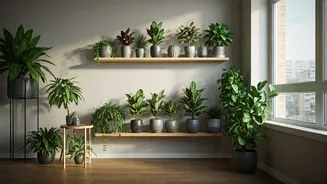
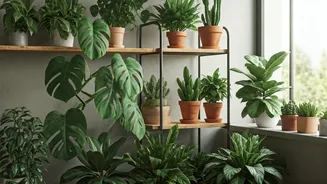
Let’s start with the 'more plants' part of the equation. This isn't just about aesthetics; it's about biology. The concept of biophilia suggests that humans have an innate tendency to seek connections with nature. When we bring plants into our homes,
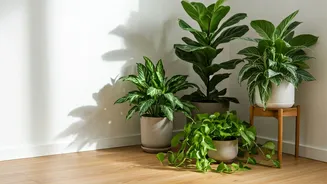
we're satisfying a deep-seated need. Studies have shown that the presence of indoor plants can reduce stress, increase attentiveness, and improve your mood. They are living sculptures that literally breathe life into a room, filtering the air and providing a dynamic, ever-changing point of visual interest. A fiddle-leaf fig in a corner isn't just decor; it's a roommate that asks for nothing but sunlight and water while actively making your home a healthier, happier place to be.
The Hidden Weight of Clutter
Now for the other side: 'less clutter.' Clutter is more than just mess. It's a collection of postponed decisions and a constant, low-grade drain on your mental energy. Every object in your field of vision sends a signal to your brain. When a space is filled with unnecessary items—piles of mail, unused gadgets, decorative objects that hold no meaning—your brain is bombarded with stimuli. This visual noise makes it harder to relax, focus, and feel at peace in your own home. It creates a subtle but persistent sense of being overwhelmed and disorganized. Decluttering isn't just about tidying up; it's about curating your environment to support your well-being, keeping only what is useful, beautiful, or truly loved.
The Magic Is in the Combination
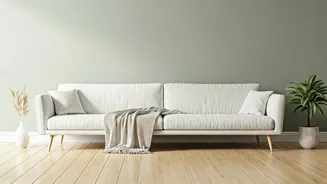
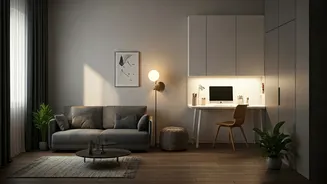
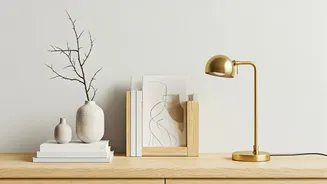
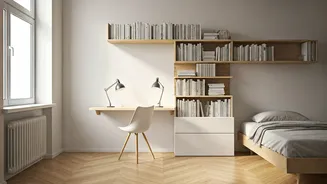
Here’s where the real magic happens. Adding plants to a cluttered room is like planting a beautiful garden in the middle of a landfill; their impact is muted. Conversely, a minimalist, decluttered room can sometimes feel sterile or cold without a touch of organic life. The true power lies in the synergy between the two. When you clear away the clutter, you create what designers call 'negative space.' This visual breathing room is the perfect stage for your plants. A single, dramatic snake plant stands out with architectural grace against a clear wall. A cascade of pothos from a clean, uncluttered bookshelf becomes a stunning focal point. By removing the non-essential, you allow the life-affirming qualities of your plants to take center stage, creating a space that feels both intentionally designed and naturally serene.
Your Action Plan for Harmony
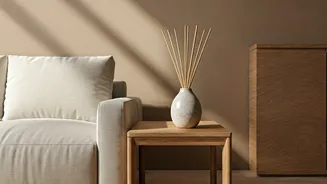
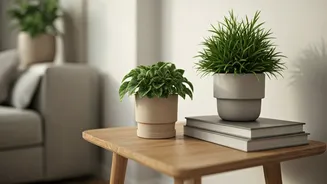
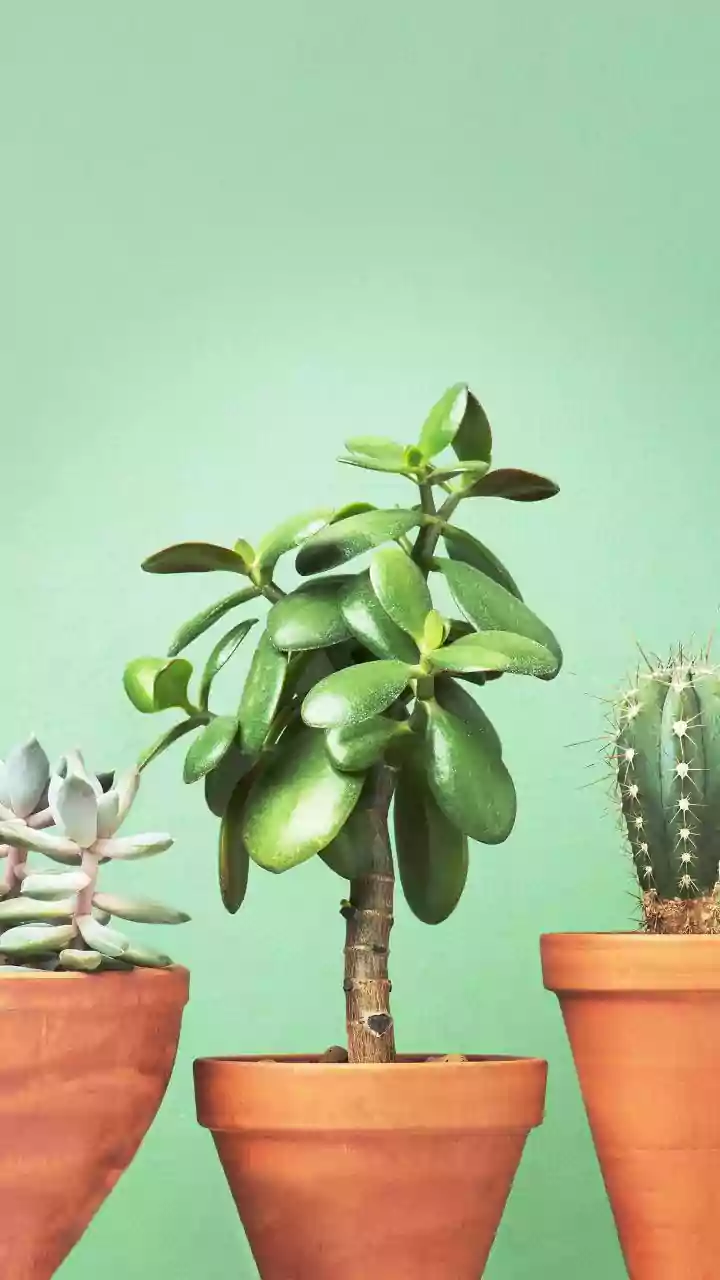
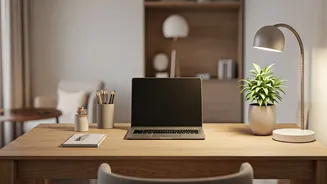
Ready to put this into practice? Start small. You don't need to become a minimalist botanist overnight. Begin with one surface, like a coffee table or a nightstand. Clear everything off it. Wipe it clean. Now, place just one or two items back: a book you're reading, a candle, and a small, easy-care plant like a ZZ plant or a spider plant. Live with that small oasis of calm for a few days. For plants, consider your light. South-facing windows are great for sun-lovers like succulents, while north-facing rooms are better for low-light champions like the aforementioned snake plant. When it comes to decluttering, try the 'one in, one out' rule: for every new item you bring into your home, one must go. This simple habit prevents the slow accumulation of stuff. The goal isn't perfection; it's progress toward a space that calms your mind and nurtures your soul.