





The Unrivaled Itinerary Planner
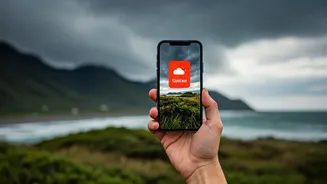
Forget meticulously curated Pinterest boards. The modern travel itinerary is now drafted in the cold, hard language of meteorology. A push notification about an “atmospheric river” heading for California’s coast does more to reroute a planned Highway
1 road trip than any blogger’s post about a “hidden gem” inland. A “heat dome” settling over Texas in August makes a weekend in Austin untenable, sending travelers scrambling for destinations below the 100-degree mark. The influencer a decade ago might have convinced you to visit a particular city; the weather alert today convinces you to avoid an entire region. It doesn’t suggest, it dictates. Its directives aren’t about finding the best photo op, but about avoiding flooded roads, dangerous air quality, or literal trial by fire. This influencer’s power isn’t in persuasion, but in raw, unavoidable reality. It has final cut on your destination, your driving route, and even whether you leave the house at all.
The Unsponsored Stylist
The travel influencer of yore sold you on a specific linen outfit for your Mediterranean vacation. The weather alert, by contrast, is a brutally practical stylist with a much more urgent brief. It doesn’t care about aesthetics; it cares about survival. Packing lists for trips to the American West are no longer complete without N95 masks, a defense against the smoke from wildfires that can blanket states for weeks. A summer trip to the Northeast now requires not just swimsuits but also a plan for managing flash flood warnings. The packing cube once reserved for formal wear is now dedicated to emergency gear. This influencer’s fashion advice isn’t delivered through a slick “get ready with me” video but through a series of terse, all-caps warnings: SEVERE THUNDERSTORM WATCH. AIR QUALITY ALERT. EXCESSIVE HEAT WARNING. Its wardrobe recommendations are non-negotiable and, unlike that affiliate-linked sundress, utterly non-returnable.
The Anti-FOMO Guru
For years, social media has been an engine of FOMO (Fear Of Missing Out), making us feel inadequate for not being on a beach, at a festival, or halfway up a mountain. The weather alert is the antidote. It is the great provider of JOMO (Joy Of Missing Out). No one will second-guess your decision to cancel a camping trip when the reason is a tornado watch. The guilt of backing out of a pricey beach house rental evaporates when a hurricane is churning a hundred miles offshore. This influencer provides the ultimate, universally accepted excuse. It’s a get-out-of-jail-free card for social obligations and travel ambitions that suddenly seem unwise. In a culture that pressures us to always be doing something, the weather alert offers a rare moment of clarity and permission: staying home is not only acceptable, it’s the smartest thing to do. It validates caution and makes safety a justifiable priority over adventure.
The Most Authentic (and Unforgiving) Partner
Perhaps the most striking thing about this influencer is its complete lack of artifice. It offers no sponsored content, uses no flattering filters, and has no interest in your engagement. Its content is data—barometric pressure, wind speed, particulate matter counts. Its platform is built on scientific models, not follower counts. And while a human influencer’s credibility might be questioned, the weather alert’s authority is absolute. You can ignore a recommendation for a trendy restaurant, but you can’t ignore a flash flood. This brutal authenticity is a direct consequence of a warming planet. The increasing frequency and intensity of extreme weather events—from wildfires and hurricanes to polar vortexes and derechos—have elevated the National Weather Service from a background utility to a central figure in our daily lives. This influencer isn't just popular; its audience is growing because the stakes are getting higher.