




The New Vacation Anchor
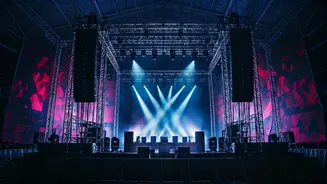
Forget simply picking a spot on the map. For many in their teens and twenties, travel planning now starts with a different question: “What festival lineup just dropped?” Events like Coachella, Lollapalooza, and Bonnaroo are no longer just weekend tickets;
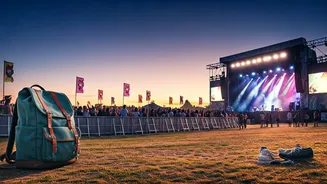
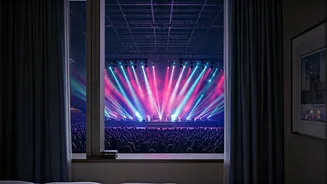
they’re the anchor points for multi-day, often multi-state, travel experiences. This phenomenon, dubbed “tour tourism” or “gig-tripping,” has exploded post-pandemic. According to a recent Expedia report, a staggering 70% of travelers are now more likely to fly for a concert than they were just a few years ago. This isn't just about seeing a favorite band. It's about building an entire vacation—complete with flights, unique hotel stays, and local food tours—around a three-day festival pass. The festival isn't part of the trip; the festival *is* the trip.
It's About the Experience, Not the Souvenir
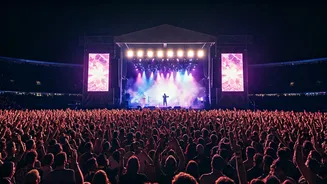
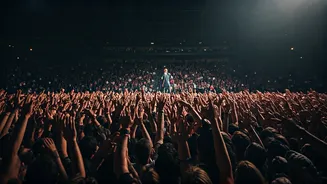
So, why the shift? It boils down to a core tenet of the Gen Z value system: a preference for experiences over material possessions. In an age of digital saturation, tangible, shareable, and memorable moments hold more currency than a designer bag or the latest gadget. A music festival trip delivers on all fronts. It’s an immersive adventure that offers a powerful cocktail of live music, communal energy, self-expression through fashion, and a temporary escape from routine. After years of pandemic-induced isolation, the appeal of joining tens of thousands of people in a field to sing along to a favorite artist is more powerful than ever. It fulfills a deep-seated need for connection and community—something a standard beach holiday can’t always guarantee. Furthermore, these events are content goldmines, providing an endless stream of photo and video opportunities for social media feeds, transforming a personal experience into a public statement of identity and taste.
The Perceived Value of a Festival Trip
At first glance, a festival trip can seem like a massive expense. Tickets alone can run several hundred dollars, before factoring in flights, lodging, and on-site costs. But for many young people, the math makes sense when viewed through a different lens. They aren't just buying a concert ticket; they're investing in a package deal. A single festival pass provides access to dozens of artists, effectively becoming a concert, a social gathering, and a travel adventure all rolled into one. When you compare the cost of seeing ten favorite artists on separate tours versus seeing them all at one festival, the value proposition becomes clearer. This generation is adept at finding ways to make it work, often opting for group travel to split costs on accommodations like Airbnbs, choosing budget airlines, and saving for months for one or two major “experience” splurges per year rather than smaller, more frequent outings.
A Ripple Effect on the Travel Industry
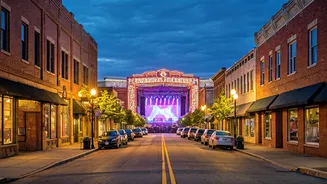
This trend isn’t just changing how young people see their vacation days; it’s reshaping the travel and hospitality industries. Airlines and hotels have seen massive demand spikes correlating with major tour announcements—think Taylor Swift's Eras Tour or Beyoncé's Renaissance Tour, which caused flight and hotel searches for host cities to skyrocket. Smarter destinations are leaning in, no longer seeing festivals as niche events but as major economic engines. Local businesses, from restaurants to vintage clothing stores, benefit from the influx of visitors looking for authentic local experiences before and after the main event. In some ways, Gen Z’s travel habits are de-centralizing tourism, shining a spotlight on cities and towns that might not have been traditional vacation hotspots but happen to host a great music festival. It's a powerful reminder that in today's economy, culture is a destination in itself.