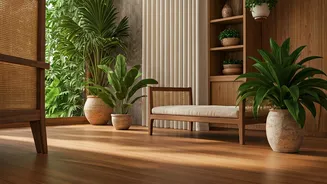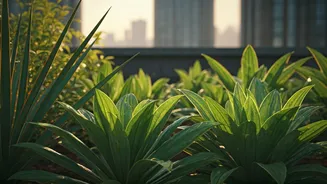


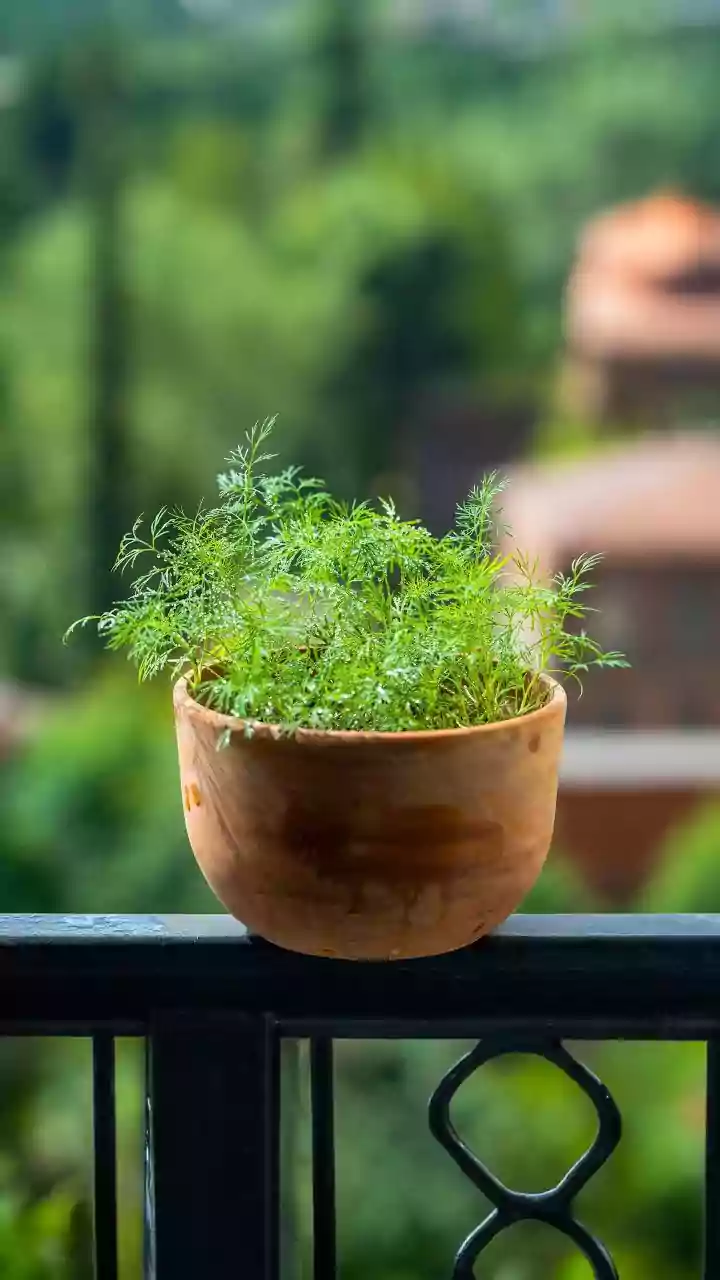



The Inspiration: Urban Balconies
In densely populated cities like Mumbai and Bangalore, private outdoor space is a luxury. Balconies and even windowsills become precious real estate for cultivating plants. This has fueled incredible creativity in space-saving solutions, with vertical
gardening leading the charge. Instead of taking up valuable floor space with pots, residents go up, turning bare walls into lush, living tapestries. This isn't just about aesthetics; it's a practical way to grow herbs, filter air, and bring a touch of nature into a concrete environment. This same principle can be applied to any small apartment, patio, or even a barren office wall in the U.S.
1. Fabric Pocket Planters
One of the most popular and accessible options is the fabric pocket planter. Typically made from recycled felt or durable, breathable geotextiles, these are essentially large panels with multiple pockets sewn onto them. They hang flat against a wall from grommets, making them ideal for renters who can't drill numerous holes. The material allows soil to breathe and excess water to drain, preventing root rot. They are perfect for creating a kitchen herb garden with basil, mint, and rosemary, or a vibrant wall of succulents and trailing plants like pothos. For a dramatic effect, group several panels together to cover an entire wall section on a balcony or in a well-lit living room.
2. Modular Stacking Systems
For a more structured, modern look, consider modular stacking planters. These systems consist of individual plastic or ceramic containers that click, stack, or slide together to form a cohesive unit. Their main advantage is versatility; you can start with a few modules and add more over time, customizing the shape and size to fit your specific wall. Many come with built-in irrigation systems, where watering the top planter allows moisture to trickle down to the ones below, simplifying maintenance. These are fantastic for creating a uniform green wall of ferns or flowering annuals, providing a high-impact design feature without the complexity of a custom-built installation.
3. Sleek, Individual Wall-Mounted Pots
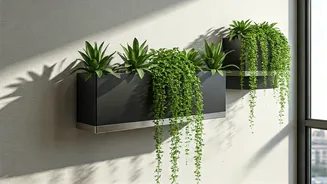
If a full “living wall” feels too ambitious, embrace the “sleek” aspect of the trend with individual wall-mounted pots. This approach is more about minimalist design and creating artistic arrangements. Think of it as living wall art. You can find beautiful ceramic, metal, or geometric resin planters designed to be hung directly on the wall. Arranging three or five of them in a staggered or grid pattern can elevate a simple wall into a design statement. This method gives each plant its own space to shine, making it perfect for showcasing sculptural plants like snake plants, ZZ plants, or unique air plants (Tillandsia) in special holders. It’s a sophisticated way to add greenery without overwhelming a room.
4. Trellis and Vine Systems
The simplest form of vertical gardening involves a trellis. By placing a simple wooden lattice or a modern wire grid against a wall, you provide a structure for climbing plants to ascend. This is an excellent, low-cost option for both indoor and outdoor spaces. Indoors, a fast-growing pothos or philodendron will quickly weave its way up a trellis, creating a natural and dynamic feature. Outdoors on a patio or balcony, you can grow flowering vines like clematis or even edibles like peas and runner beans. It's a timeless technique that makes a garden feel more established and immersive, turning a flat, boring surface into a vertical landscape.