





Why 'Toughing It Out' Is Over
The old-school mindset of pushing through extreme heat is being replaced by a more scientific and sustainable approach. And for good reason. With average temperatures climbing and heatwaves becoming more frequent and intense, exercising in the heat isn't
just uncomfortable—it's increasingly dangerous. Pushing your body to its limits in high temperatures can severely strain your cardiovascular system, leading to dehydration and, more critically, heat-related illnesses like heat exhaustion and heatstroke. "Heat-aware fitness" isn't about being less tough; it's about being more intelligent. It’s an acknowledgment that your body works differently in the heat and requires adjustments to perform safely and effectively. This new rule is about training smarter, not just harder, ensuring your summer fitness journey is productive, not perilous.
Re-Timing Your Routine
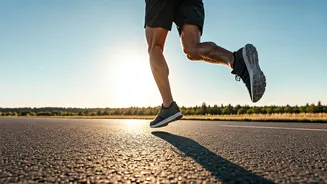
The most impactful change you can make is also the simplest: avoid peak heat. The sun is typically at its most intense between 10 a.m. and 4 p.m. Shifting your workouts to the early morning or later in the evening doesn't just help you avoid the worst of the heat; it can actually lead to better performance. Cooler morning air is denser, providing more oxygen with each breath. Evening workouts can be a great way to de-stress after a long day. If your schedule is inflexible, consider the "where." A shaded park trail will be significantly cooler than an exposed asphalt road. Look for tree-lined streets, waterfront paths that catch a breeze, or even indoor alternatives like a climbing gym, a spin class, or a local swimming pool to keep your routine varied and safe.
Adjust Your Intensity, Not Your Goals
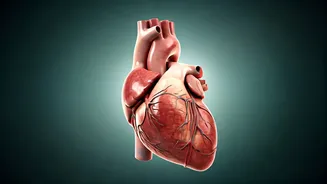
Your heart has to work harder in the heat to pump blood to your skin to cool you down, leaving less for your working muscles. This means your usual running pace will feel harder, and you'll likely lift less weight than you do in a climate-controlled gym. Trying to match your cool-weather metrics is a recipe for frustration and overexertion. Instead of focusing on pace or heart rate, train by feel using the Rate of Perceived Exertion (RPE) scale, a simple 1-to-10 measure of how hard you feel you're working. An "easy" run should feel easy, regardless of what your watch says. Shorten your workout duration, incorporate more walk breaks, or reduce the intensity. This isn't regression; it's adaptation. Your long-term fitness goals are better served by consistent, safe training than by a single heroic—and risky—workout in the blazing sun.
Hydration Is a Full-Day Job
Chugging water right before you head out the door isn't enough. Proper hydration for hot-weather workouts starts hours, or even the day, before. Make a habit of sipping water consistently throughout the day. A good rule of thumb is to check your urine color; pale yellow is the goal. During your workout, the American Council on Exercise recommends drinking 7-10 ounces of fluid every 10-20 minutes. If you're exercising for more than 60 minutes or sweating profusely, water alone may not be sufficient. You're also losing essential electrolytes like sodium and potassium. An electrolyte drink or tablet can help replenish these vital minerals, preventing cramps and maintaining proper muscle function. And don't forget to rehydrate after you're done to aid recovery.
Dress for Success (and Survival)
The clothing you wear can have a dramatic effect on your body's ability to cool itself. Forget cotton, which absorbs sweat and clings to your skin, trapping heat. Opt for lightweight, loose-fitting apparel made from synthetic, moisture-wicking fabrics like polyester or nylon. These materials pull sweat away from your skin to the fabric's surface, where it can evaporate more easily. Light-colored clothing is also a must, as it reflects rather than absorbs the sun's rays. Complete your heat-aware outfit with a wide-brimmed hat or visor to shield your face and a pair of UV-blocking sunglasses. And never, ever skip the sunscreen. A sunburn not only increases your risk of skin cancer but also impairs your skin's ability to cool itself, compounding heat stress.
Know the Warning Signs
Perhaps the most important rule of heat-aware fitness is to listen to your body. It will give you clear signals when it’s struggling. Be aware of the signs of heat exhaustion: heavy sweating, dizziness, nausea, headache, weakness, and cool, clammy skin. If you experience any of these, stop exercising immediately. Get to a cool place, sip water, and loosen your clothing. If symptoms don't improve or they worsen, seek medical attention. Heatstroke is a medical emergency characterized by a high body temperature (103°F or higher), hot and red skin (which may be dry or moist), a rapid pulse, and confusion or loss of consciousness. If you suspect someone has heatstroke, call 911 immediately while trying to cool them down.