




The Double-Edged Sword of Monsoon Season
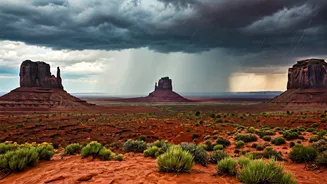
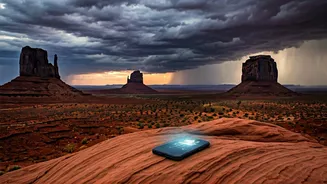
From roughly June through September, the desert landscape of states like Arizona, Utah, and New Mexico undergoes a dramatic transformation. The North American Monsoon delivers much-needed rain, often in the form of intense, localized thunderstorms. For
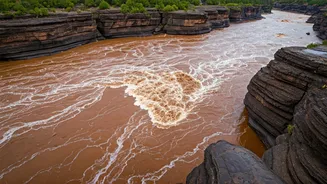
travelers, this means breathtaking cloud formations and vibrant, super-saturated sunsets. But it also means danger. The primary threat isn't just getting wet; it's flash floods. Hard, sun-baked desert soil doesn't absorb water quickly. A heavy downpour miles upstream can send a wall of water, debris, and mud rushing down a bone-dry wash or narrow slot canyon with little to no warning. For unsuspecting hikers or drivers, these events are often fatal.
Your Phone Is the New Early Warning System
In the past, visitors had to rely on broad regional forecasts and the age-old advice to “keep an eye on the sky.” While that’s still wise, today’s technology offers a layer of protection that is far more precise and immediate. The most critical tool is already in your pocket. Wireless Emergency Alerts (WEA) are sent by authorized government agencies, like the National Weather Service (NWS), directly to cell phones in a targeted geographic area. These aren't just text messages; they use a different technology that triggers a unique sound and vibration. When the NWS issues a Flash Flood Warning for your specific location, your phone will almost certainly scream at you to get to higher ground. This system has become an invaluable tool for alerting people who may be completely unaware of a threat developing miles away.
Decoding the Alerts: Watch vs. Warning
Getting an alert is one thing; knowing what to do with it is another. The language used by the National Weather Service is specific and crucial to understand. A Flash Flood Watch means conditions are favorable for flash flooding to develop. This is your cue to be extra vigilant, adjust your plans, and stay informed. You might reconsider a hike into a slot canyon or a drive through a remote area with low-water crossings. A Flash Flood Warning is far more serious. It means a flash flood is imminent or already occurring. This is not a suggestion; it is an order to take immediate action. If you are in a vehicle, do not attempt to drive through flooded roads. If you are on foot, especially in a canyon or wash, abandon your gear if necessary and climb to the highest ground possible, immediately.
Beyond the Basics: Other Digital Tools
While WEA is the most critical alert, a savvy traveler should have a few more tools. Before heading into an area with spotty reception, download the local radar map on a reliable weather app. This allows you to see the location and intensity of storm cells in near-real-time. Apps like RadarScope or MyRadar give you a professional-grade view of the weather moving your way. Some apps also provide lightning-strike maps, which are invaluable for hikers in exposed, high-elevation areas. The key is to check these tools before you lose your signal and head into the backcountry. A forecast checked at the trailhead is infinitely more valuable than one checked in the hotel room that morning.
Technology Isn't a Silver Bullet
For all their benefits, these alerts come with a major caveat: they don't work without a cell signal. Many of the most beautiful and sought-after destinations in the Southwest are in cellular black holes. An alert system is useless if it can’t reach you. This is why technology can only make a trip less reckless, not completely safe. The ultimate safety tool is still human judgment. This means checking forecasts obsessively before you go, telling someone your exact route and return time, knowing the terrain, and—most importantly—being humble enough to turn around. If the sky looks threatening or you have a bad feeling, listen to your gut. No hike or photograph is worth your life.