

From Hustle to Healing
The term 'soft life' has drifted from social media into our travel aspirations, describing a lifestyle of comfort, peace, and low stress. In South Korea, a country globally famous for its 'ppalli-ppalli' (hurry, hurry) culture of speed and relentless
achievement, this shift feels almost revolutionary. The old model of tourism—a frantic, 10-stop-a-day dash to see every landmark and shop in every district—is giving way to something slower and more restorative. This isn't about laziness; it's a conscious rejection of burnout culture. For travelers, it means swapping the pressure of a packed checklist for the pleasure of genuine immersion. It’s the difference between seeing a city and actually feeling it.
The Rise of the Aesthetic Café
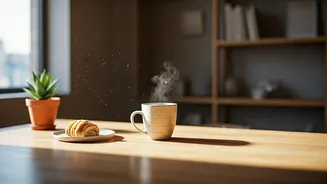
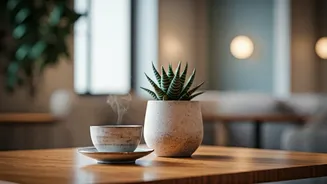
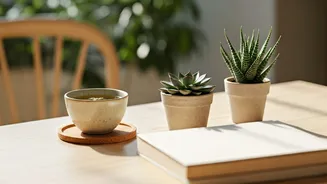
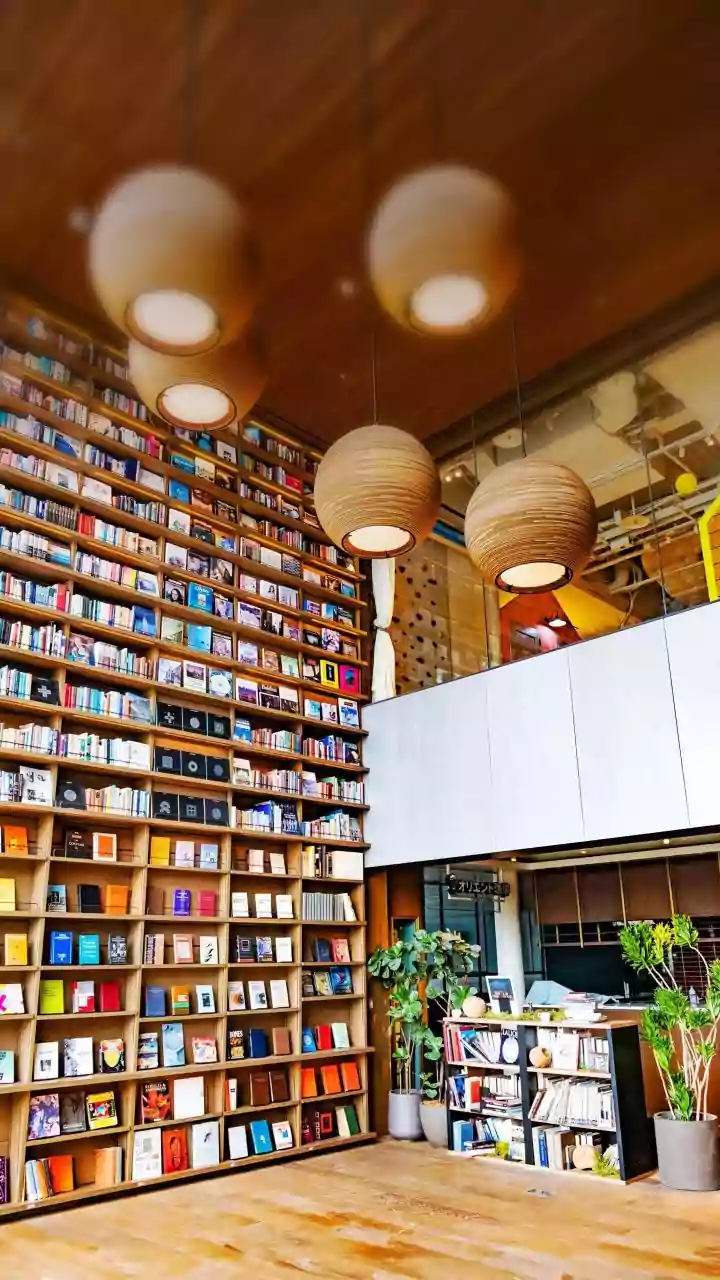
Nowhere is the 'soft life' more visible than in South Korea’s world-class café culture. These are not merely places to grab a quick latte. They are meticulously designed sanctuaries, each with a unique aesthetic, from minimalist industrial spaces to lush, plant-filled greenhouses and whimsical, cartoon-themed interiors. The goal isn’t just coffee; it's the experience. Locals and tourists alike will travel across town to spend an afternoon in a specific café, reading a book, journaling, or simply enjoying the ambiance. This ritual of 'café hopping' is a core tenet of soft-life travel. It’s about intentionally setting aside hours to do nothing but sip a perfectly crafted beverage in a beautiful space, turning a simple break into a destination-worthy activity.
Beyond the Seoul Metro
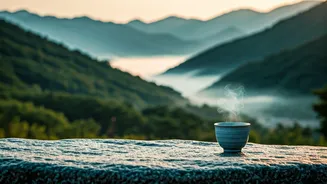
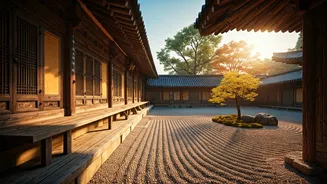
While Seoul remains the country's vibrant heart, the soft-life trend encourages travelers to look beyond it. The focus is shifting toward experiences that connect visitors with nature and tradition. This includes 'temple stays,' where you can live alongside Buddhist monks, participating in meditation, tea ceremonies, and quiet contemplation. These programs, offered at historic temples across the country, provide a powerful antidote to modern noise. Similarly, there's a growing interest in staying in 'hanok'—traditional Korean houses with elegant wooden frames and serene inner courtyards. Cities like Jeonju and Gyeongju, known for their beautifully preserved hanok villages, are becoming hotspots for travelers seeking a slower pace and a deeper connection to Korean history.
The Jeju Island Ideal
If one place embodies South Korea’s soft-life aspirations, it’s Jeju Island. Long a favorite domestic getaway, this volcanic island off the southern coast has become an international symbol of escape and natural beauty. Its dramatic coastline, scenic hiking trails (known as 'olle-gil'), and sprawling tangerine groves offer a stunning backdrop for unwinding. But Jeju’s appeal goes deeper. It has cultivated a unique culture of artisan coffee roasters, independent bookstores, farm-to-table restaurants, and boutique guesthouses. It’s a place where the rhythm of life is dictated by the tides and the seasons, not a subway schedule. Traveling to Jeju is less about seeing specific sights and more about adopting a mindset of slowness and appreciation for the natural world.
A More Intentional Itinerary
So what does a 'soft life' itinerary in South Korea look like? It’s spacious. It might involve dedicating a whole morning to exploring a single neighborhood like Seongsu in Seoul, known for its repurposed warehouses turned into galleries and cafés. It could mean taking a KTX high-speed train to a coastal city like Busan not for a whirlwind tour, but just to spend the day walking along the beach and eating fresh seafood. It's a trip built around sensory pleasures: the warmth of a 'jjimjilbang' (public bathhouse), the quiet rustle of leaves in a national park, or the intricate flavors of a traditional multi-course meal. This approach prioritizes quality of experience over quantity of sights, leaving travelers feeling refreshed, not exhausted.