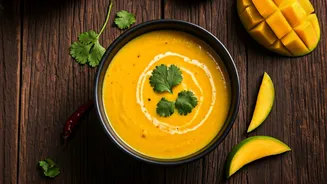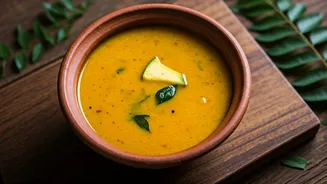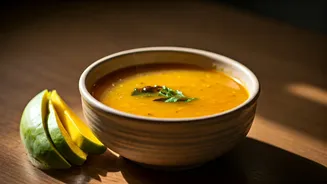






So, What Is Mango Rasam?
Before you picture a thick, cold mango smoothie, let’s reset. At its core, rasam is a staple in South Indian cuisine, particularly from regions like Tamil Nadu and Kerala. It’s a thin, flavorful soup with a tamarind water base, celebrated for its digestive
properties and its complex, layered taste. Traditionally, it’s spiked with tomatoes, black pepper, and other spices, often served with rice or sipped on its own as a comforting broth. Now, introduce a superstar: the ripe, sweet mango. Mango rasam (or Mambazha Rasam) takes this classic formula and adds chunks of sweet mango and a hint of jaggery (unrefined cane sugar). The result isn’t a dessert soup, but a sophisticated main event where fruit plays a starring role in a savory context, challenging our typical American separation of sweet and savory courses.
A Symphony of Contradictory Flavors
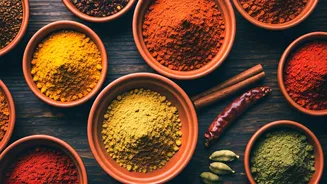
The magic of mango rasam lies in its beautiful defiance of categorization. Your first spoonful is a journey. It starts with the sun-drenched sweetness of the mango, which is immediately balanced by the sharp, earthy sourness of the tamarind. Just as you’re processing that contrast, a gentle but persistent heat from black pepper and dried red chilies emerges on the back of your palate. Supporting this trio are aromatic notes of curry leaves, mustard seeds, and asafoetida, which provide a savory, umami-like depth. It’s a culinary tightrope walk. The dish is simultaneously sweet, sour, spicy, and savory. It’s this very complexity that makes it so compelling. Instead of choosing between a sweet treat or a savory meal, mango rasam delivers both, satisfying the seemingly contradictory whims of a summer appetite in a single, harmonious bowl.
The Perfect Antidote to Summer Heat
Serving a hot soup in the middle of summer might sound counterintuitive, but many cultures have long understood the logic. A warm, spicy dish can induce a mild sweat, which is the body’s natural cooling mechanism. Mango rasam, however, goes a step further. Its foundation of tamarind and spices is deeply hydrating and known in Ayurvedic tradition to be cooling for the body, despite its temperature. The dish is light and brothy, not heavy or creamy like a winter chowder. It nourishes and satisfies without weighing you down, making it the ideal meal for a sweltering afternoon when a heavy burger or steak feels like too much work. It’s the kind of food that refreshes your spirit as much as it fills your stomach, a perfect centerpiece for a light lunch or dinner.
A Celebration of Seasonality
In Southern India, mango rasam is more than just a recipe; it's a marker of time. It appears on family tables and in restaurants when mango season is at its peak, from late spring through the summer months. It represents a culinary philosophy of eating what is fresh, local, and abundant. For American food lovers, embracing mango rasam is an invitation to participate in that tradition. It encourages a trip to the international grocery store for fresh curry leaves, a hunt for the perfectly ripe mango, and an appreciation for how a single ingredient can transform a dish. It’s a departure from the year-round availability we’ve grown accustomed to, reminding us that some flavors are worth waiting for. It turns the simple act of eating a seasonal fruit into a delicious, culturally rich event.