



The Last Kingdom of the Asiatic Lion
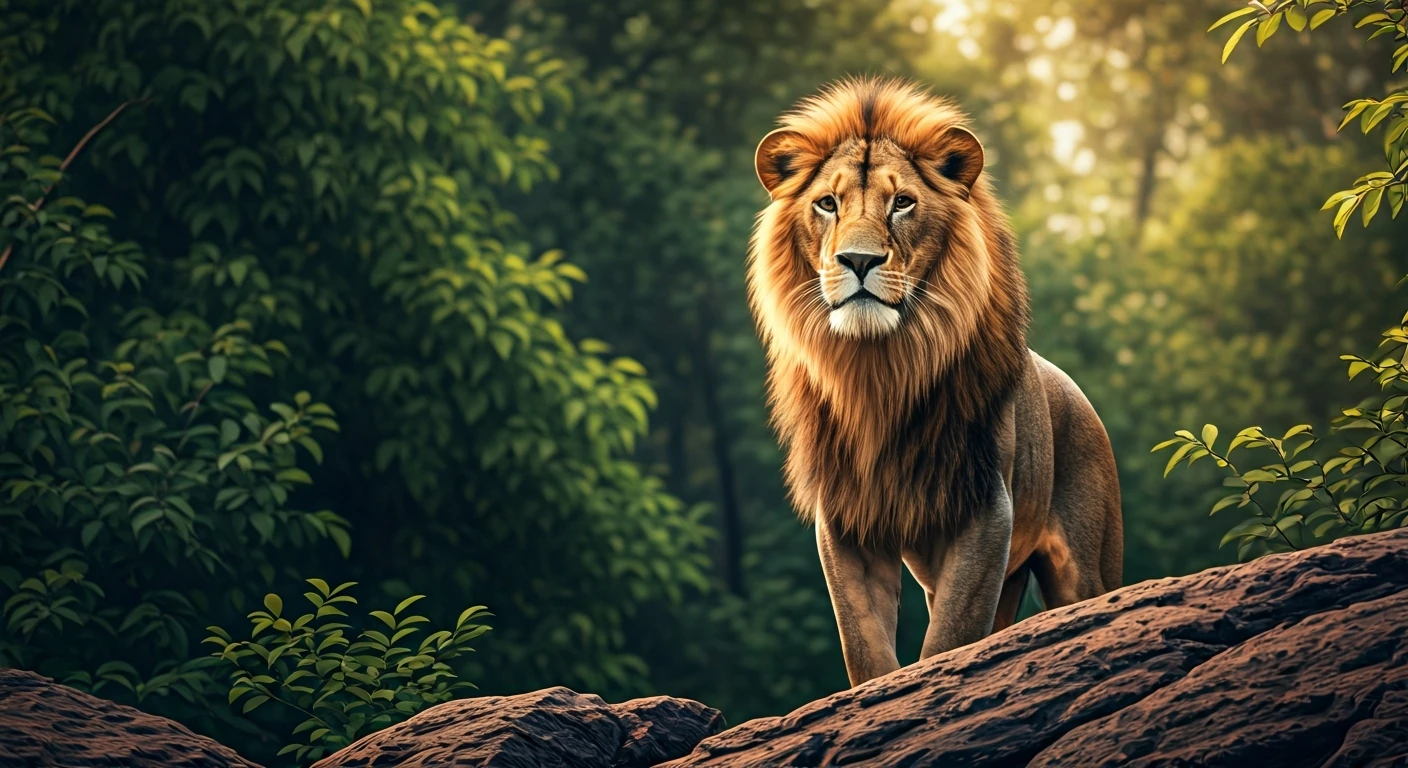
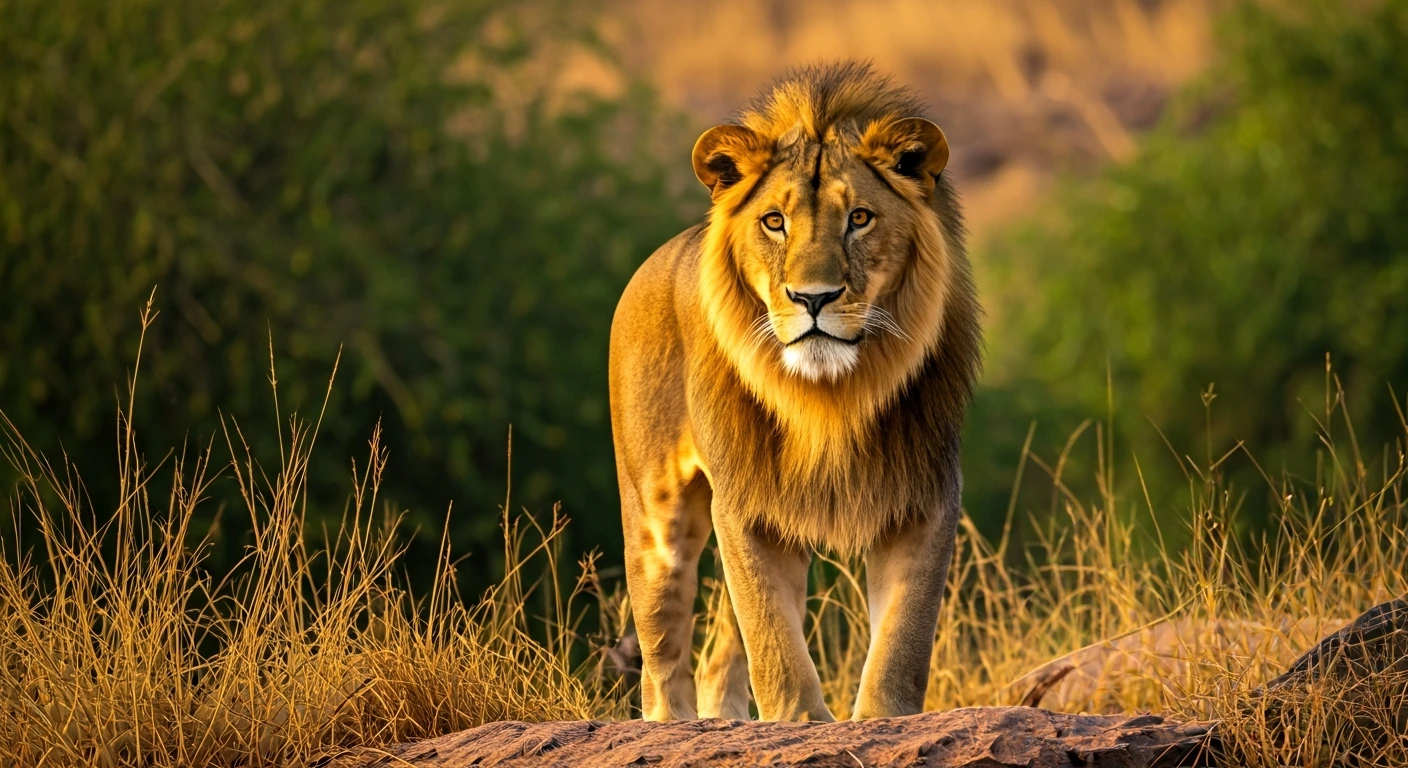
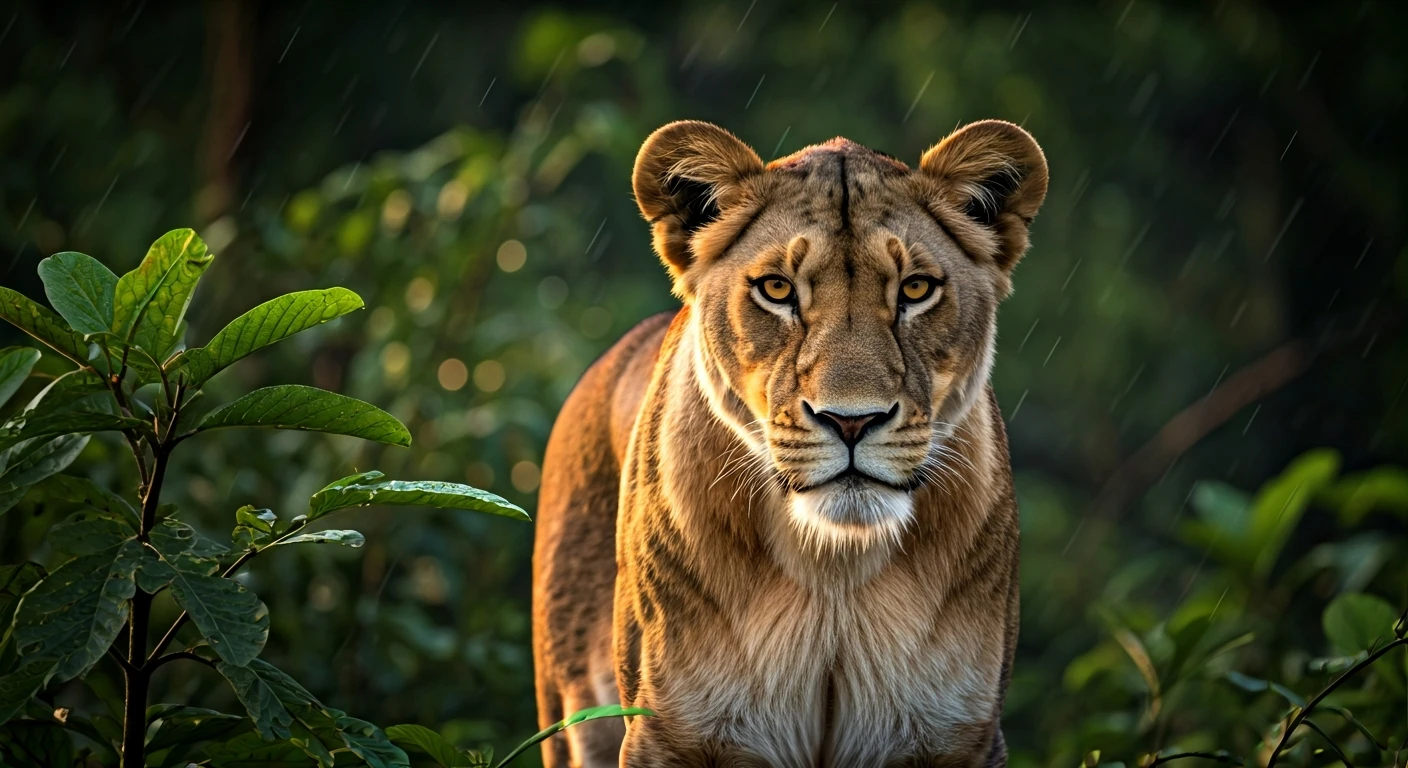
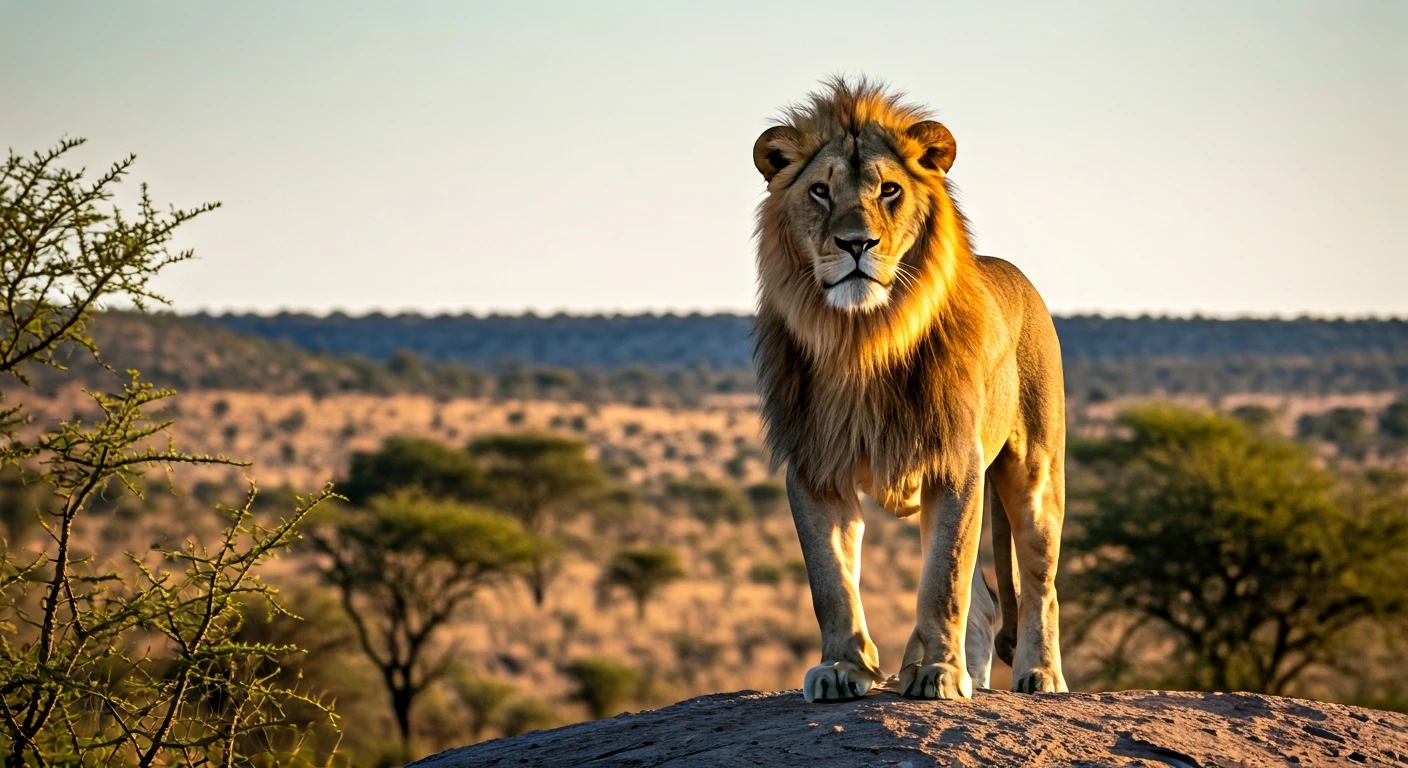
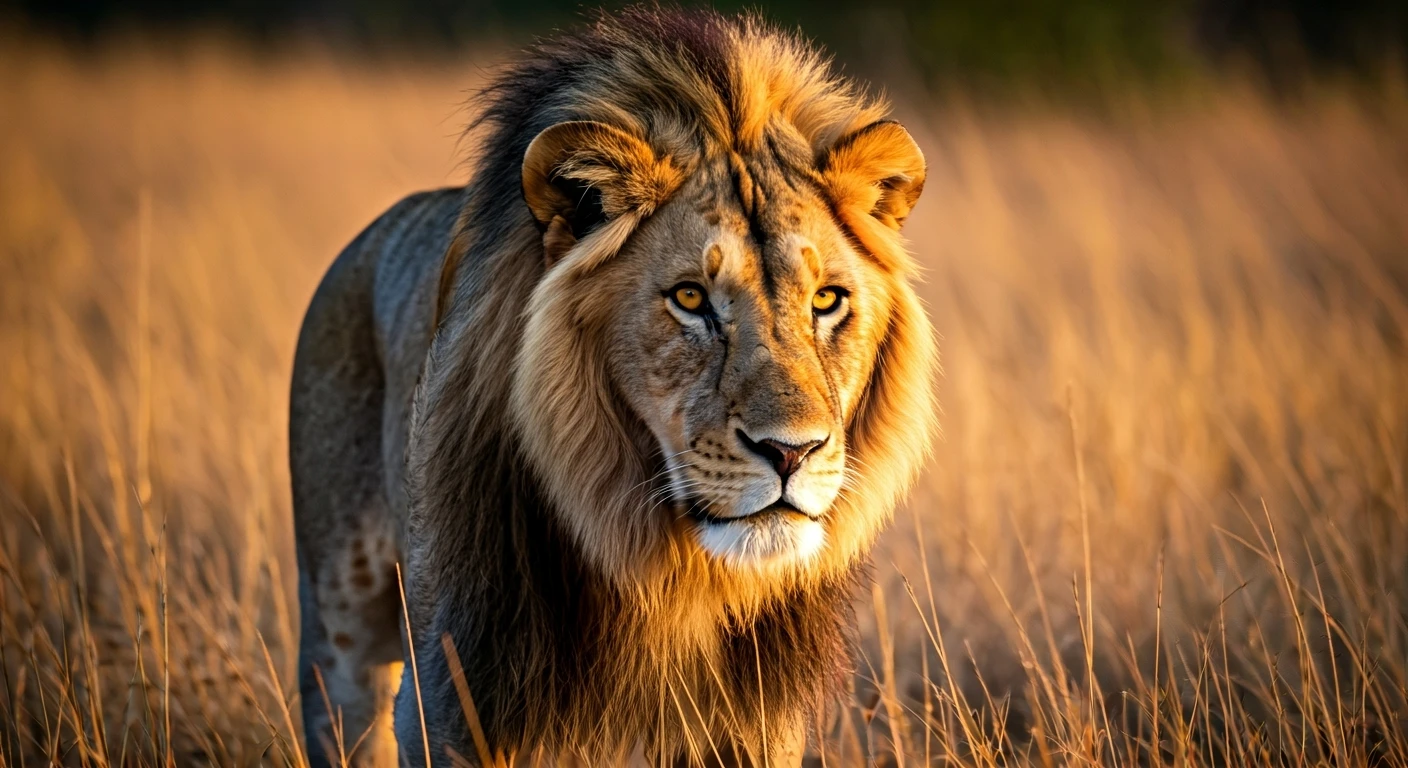
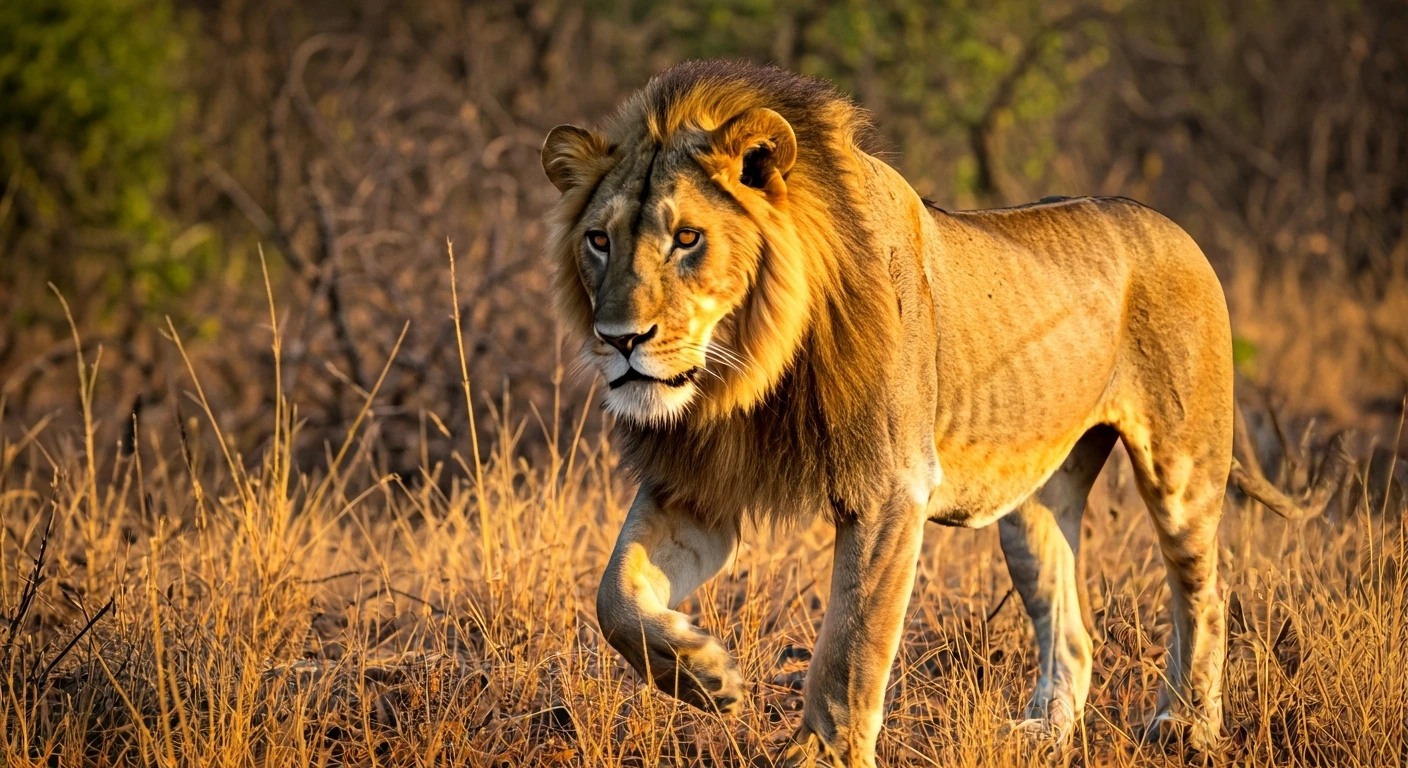
Forget the vast savannahs of the Serengeti. The lions of Gir National Park in Gujarat, India, are a different breed entirely—literally. These are the world’s only wild Asiatic lions, a subspecies that once roamed from the Middle East to Eastern India.
Today, their entire global population is confined to this 545-square-mile sanctuary of dry, deciduous forest. Unlike their African cousins, Asiatic lions have a distinctive fold of skin on their belly, sparser manes for males, and a slightly smaller stature. Seeing them here is a unique pilgrimage for wildlife enthusiasts, an experience that feels both ancient and incredibly fragile. The park is a tapestry of teak forests, scrubland, and riverbeds, a landscape that has shaped the lions and been shaped by them for centuries.
A Conservation Story with a Twist
The term 'last-chance' implies imminent doom, but the story of the Gir lion is more complicated—and in many ways, more hopeful. At the turn of the 20th century, hunting had pushed the population to the brink of extinction, with fewer than 20 lions remaining. Thanks to decades of concerted conservation efforts by the Indian government and local communities, their numbers have made a remarkable comeback. The most recent census estimated the population at over 670 individuals. So why the 'last-chance' label? The threat isn't immediate extinction, but existential pressure. The lions' success has created a new set of problems: their habitat is now too small. A single disease outbreak or natural disaster could be catastrophic for a population with limited genetic diversity confined to one area. Lions are increasingly spilling out into surrounding farmlands, leading to human-animal conflict.
The Double-Edged Sword of Tourism
Into this delicate balance steps the international traveler. The rise of 'doom tourism'—visiting endangered places or species before they disappear—is a global phenomenon, and Gir is its new focal point. On one hand, tourism is a powerful tool for conservation. The revenue from park permits, safari jeeps, and local lodges provides critical funding for anti-poaching patrols, habitat management, and community programs. It gives local people a direct economic incentive to protect the lions, turning them from a threat into a valuable asset. For many visitors, witnessing a lion in the wild is a life-changing event that fosters a deeper commitment to conservation. But there's a significant downside. A surge in tourism can put immense pressure on the park's fragile ecosystem. The rumble of safari jeeps can stress animals, disrupt their natural behaviors, and lead to habitat degradation. The demand for new hotels and infrastructure on the park's periphery can fragment wildlife corridors and pollute water sources.
Beyond the Bucket List
The trend of last-chance safaris in Gir forces a difficult conversation about the ethics of modern travel. Is our desire to witness something rare and beautiful contributing to its preservation, or are we loving it to death? The answer isn't simple. While the Asiatic lion's comeback is a triumph, the very popularity it generates could become its next great challenge. The 'last chance' isn't necessarily to see a lion before it vanishes, but perhaps to see this unique ecosystem before it is irrevocably changed by the sheer weight of human admiration. For travelers, the trend is a call to move beyond a bucket-list mentality. It requires a deeper engagement: choosing responsible tour operators, respecting park rules, and understanding that the privilege of seeing these animals comes with a responsibility to support their long-term survival, not just to capture a fleeting photo.