



The Deep Discount Advantage
The number one reason to consider a “green season” trip is the price. When demand drops, so do costs—often dramatically. Airlines that charge a premium for peak dry-season travel slash fares to fill seats during wetter months. This can translate to savings
of 20% to 40% on international flights to popular hubs in Southeast Asia like Bangkok, Ho Chi Minh City, or Mumbai. The deals don’t stop at airfare. Luxury hotels and high-end resorts, often sold-out months in advance during peak season, offer steep discounts and attractive packages. Think five-star accommodations for three-star prices, complimentary spa treatments, or free nights. This is your chance to experience a level of luxury that might otherwise be out of reach, all because you were willing to embrace a little rain.
A Reality Check on the Rain
Before you book, it's crucial to understand what “monsoon” actually means. This isn’t a gentle afternoon shower. In many destinations, it means short, intense, and powerful downpours, typically lasting for an hour or two in the afternoon. It also brings high humidity that can feel draining. In some coastal areas, the season can mean rough seas, making boat trips and island hopping impossible or unsafe; many ferry services shut down entirely. Low-lying areas can be prone to flooding, and outdoor activities like jungle trekking may be limited due to slippery and muddy trails. The key is research. A monsoon in Thailand is different from one in India. Understand the specific weather patterns for your chosen destination and month, and manage your expectations accordingly. A flexible attitude is non-negotiable.
Destinations That Shine When Wet
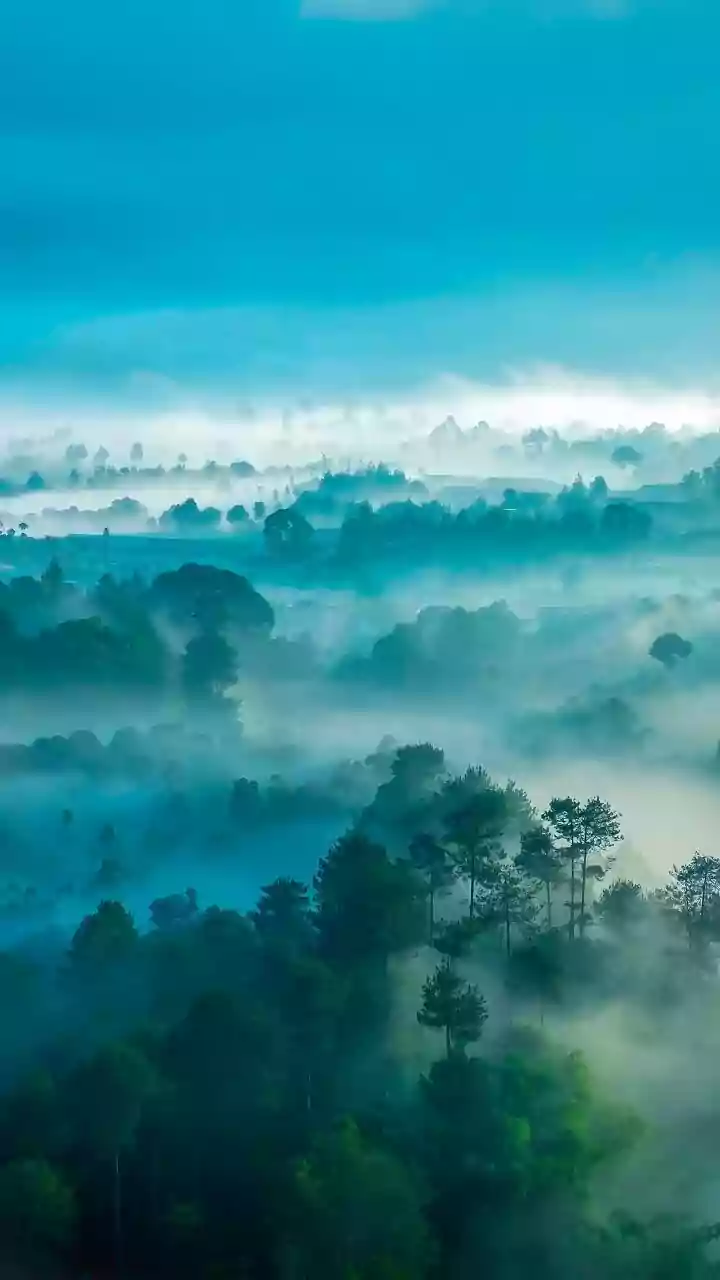
Not all destinations are created equal in the rain. While a beach-focused trip to a remote island might be a washout, other places come alive. Urban centers are a fantastic choice. Cities like Bangkok, Kuala Lumpur, and Singapore are built for all weather, with world-class malls, museums, galleries, and food scenes that are entirely indoors. A sudden downpour becomes a perfect excuse to duck into a trendy cafe or get a traditional massage. Other destinations become even more beautiful. The rain transforms landscapes into a sea of lush, vibrant green. The rice paddies in Ubud, Bali, are never more stunning. The backwaters of Kerala, India, become misty and romantic. Waterfalls that are a mere trickle in the dry season become thunderous, magnificent spectacles. It’s a different kind of beauty, but no less breathtaking.
The Joy of Fewer People
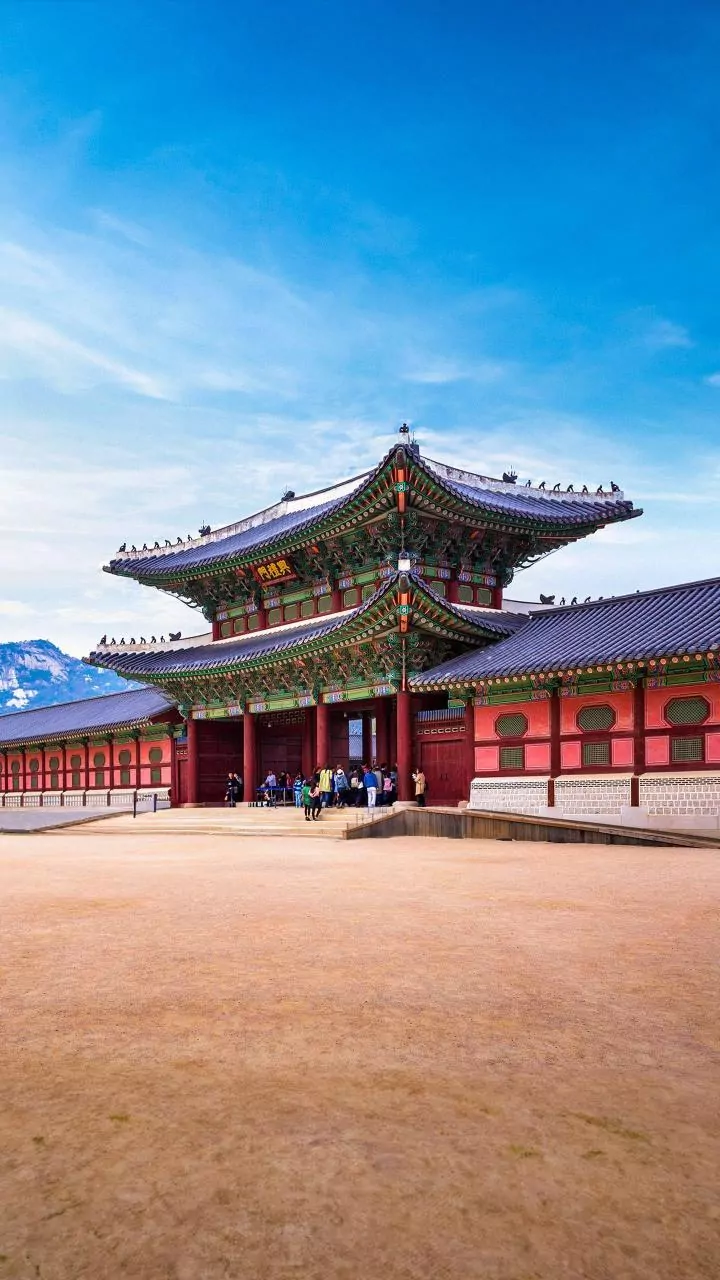
Perhaps the greatest luxury of off-season travel isn't the financial savings, but the absence of crowds. Imagine visiting Cambodia’s Angkor Wat at sunrise without a wall of other tourists blocking your view. Picture yourself wandering through ancient temples in northern Thailand with only a handful of other visitors. During the green season, this is often the reality. You get a more intimate and authentic experience of a place. Tourist fatigue is lower among locals, who may have more time for genuine interactions. You’re not just a face in a massive crowd; you’re a traveler experiencing their home during a quieter, more reflective time. For many, this peace and quiet is worth more than any sunny day.
Your Monsoon-Ready Packing List
Packing for a wet-season trip requires a different strategy. Cotton is your enemy; it takes forever to dry in high humidity. Instead, focus on lightweight, quick-drying fabrics like merino wool or synthetic blends. A high-quality, breathable rain jacket is essential, but leave the heavy winter coat at home. Footwear is key: bring waterproof sandals or shoes you don’t mind getting soaked, plus a dry pair for evenings. Pack a waterproof bag or dry sack to protect electronics like your phone and camera. A powerful insect repellent is a must, as mosquitoes are more prevalent in the wet season. Finally, pack a good book and a patient mindset. Some of the best moments come from sitting on a covered veranda, watching the rain fall, and simply slowing down.