

First, An Introduction
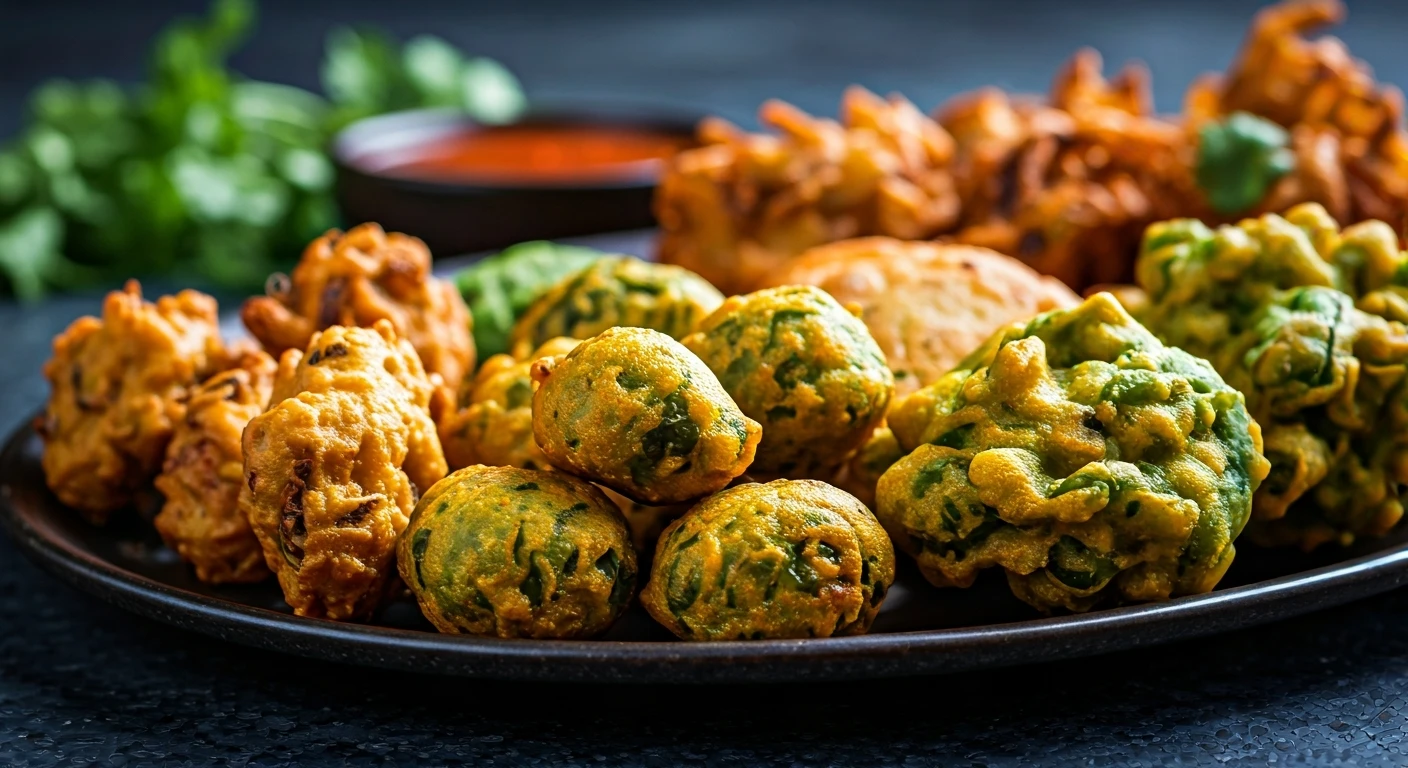
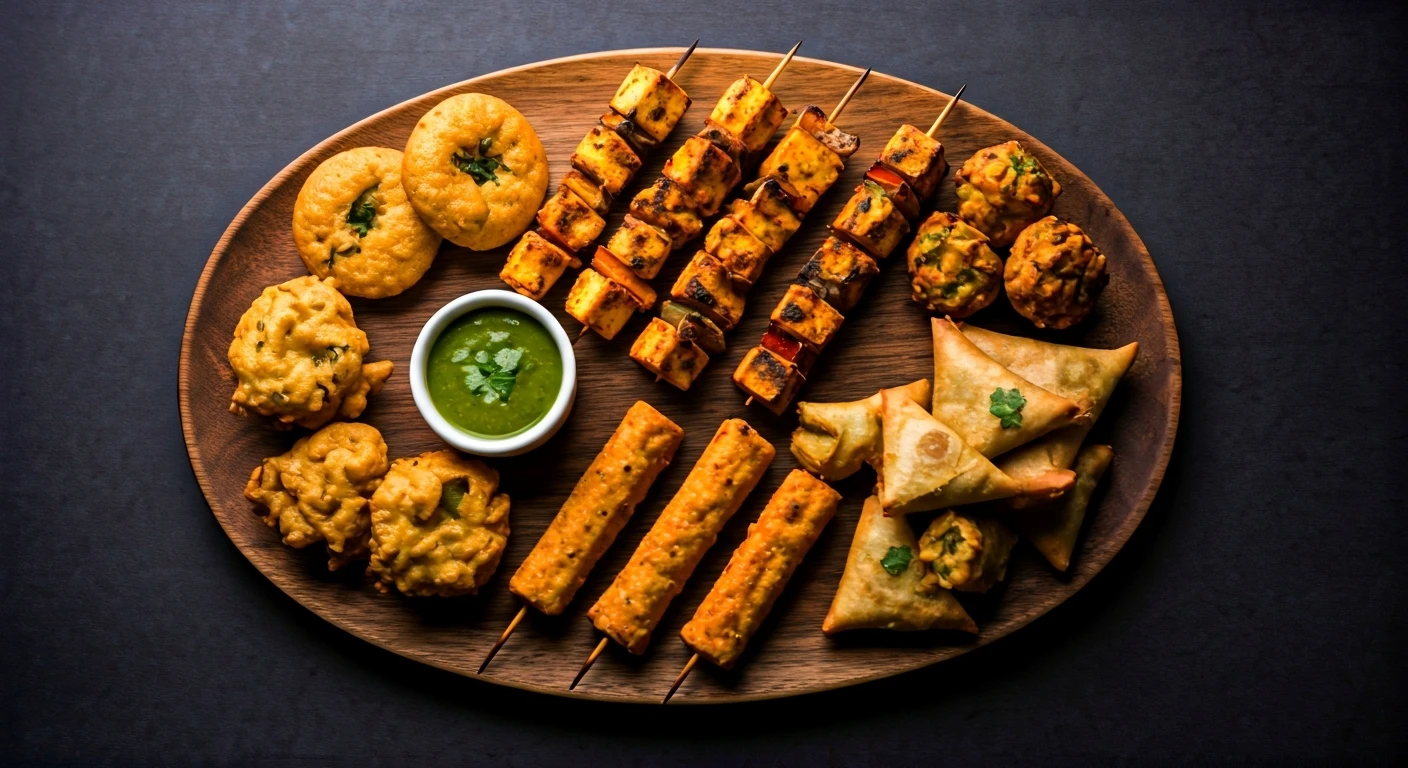
Let’s break it down. If you’ve ever enjoyed an Indian buffet, you’ve likely encountered a pakora. They are, in essence, savory fritters. Typically, a vegetable like onion, potato, or spinach is coated in a spiced batter made from besan (gram or chickpea
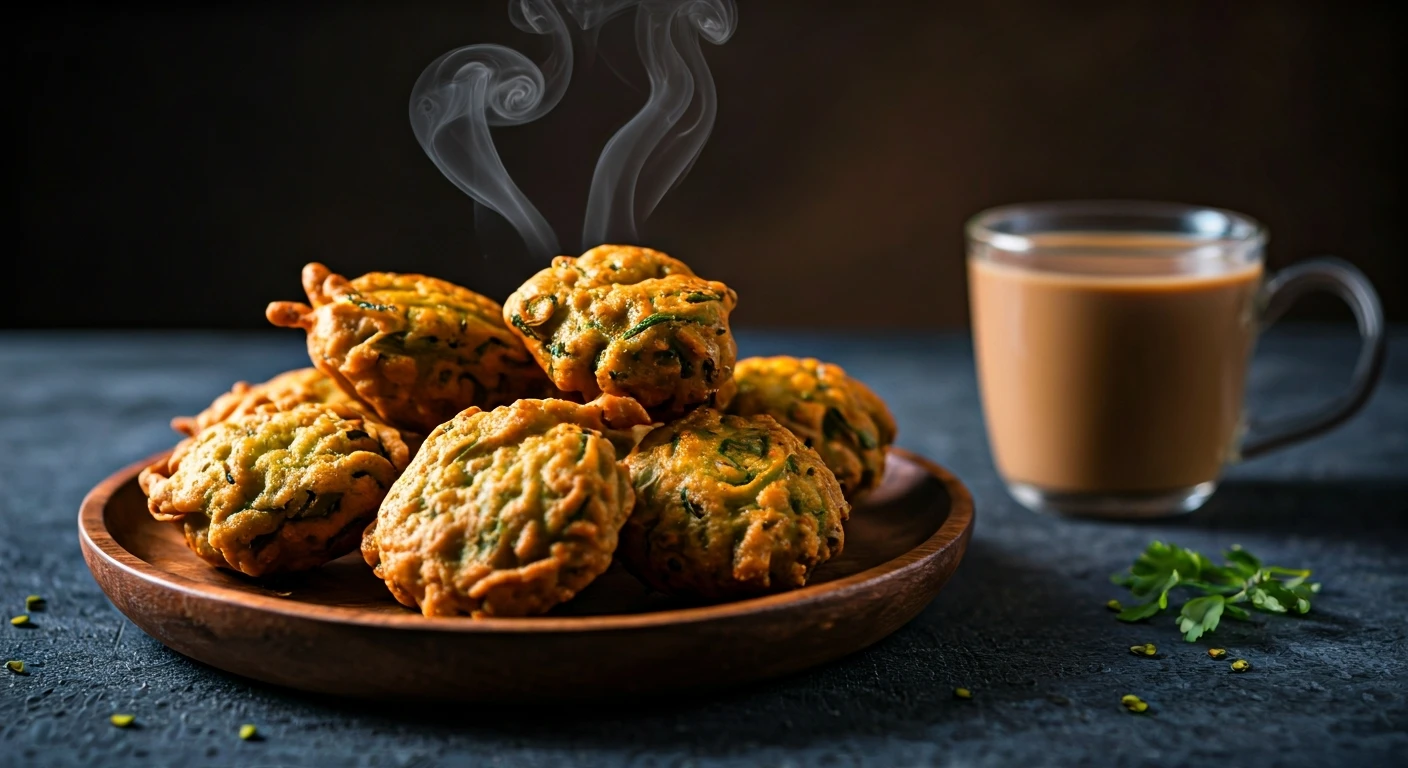
flour) and deep-fried to crispy, golden perfection. They are the undisputed king of rainy-day snacks across the Indian subcontinent. But the methi pakora is a more specific, more nuanced player. The star ingredient here is methi, or fresh fenugreek leaves. These vibrant green leaves are chopped and mixed directly into the batter, infusing it with a unique character that sets it apart from its more common cousins. Instead of a piece of vegetable coated in batter, the methi pakora is a cohesive, herb-forward fritter where the greens and the gram flour are one.
A Uniquely Grown-Up Flavor
The reason methi pakoras feel like a flex is their flavor profile. Unlike the straightforward comfort of a potato or onion pakora, methi introduces a sophisticated, slightly bitter note. Fenugreek is known for its complex taste—it's earthy, a little nutty, with an aromatic bitterness on the finish that is deeply compelling, not overwhelming. Think of it as the culinary equivalent of the flavor note that makes dark chocolate, a hoppy IPA, or a strong espresso so addictive. When this complex green flavor meets the nutty, earthy gram flour, the warmth of spices like ajwain (carom seeds), turmeric, and a hint of chili, something magical happens. The bitterness is tamed by the frying process, mellowing into a savory depth that is utterly irresistible. Each bite is a journey: first a shatteringly crisp exterior, then a soft, steamy interior packed with herbaceous, savory flavor. It's a snack that demands your attention.
The ‘Chai-Weather’ Connection
In India, the combination of hot chai and crispy pakoras is more than a snack; it's a cultural institution, especially during the monsoon season. The craving for this pairing when the skies turn grey is almost Pavlovian. It’s an experience—the sound of the rain, the sizzle of the fryer, the steam rising from a cup of masala chai, and the communal joy of sharing a platter of hot, crunchy snacks. Bringing this tradition to the American “chai-weather” context—a rainy Sunday, a chilly autumn afternoon, a cozy work-from-home lunch—is the flex. It’s about curating a mood. It says you're not just grabbing a bag of chips; you’re creating an moment. Serving a plate of homemade methi pakoras to friends is a statement. It shows effort, knowledge, and a connection to a specific, authentic food tradition. It’s the food equivalent of having a perfectly curated vinyl collection instead of a streaming playlist.
The Rise of the Specific
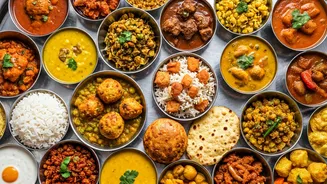
For years, the American understanding of Indian food was limited to a few greatest hits: chicken tikka masala, naan, samosas. But that’s changing. As the Indian diaspora grows and second-generation chefs and food bloggers share their heritage, we’re seeing an appreciation for regionality and specificity. People are learning that there’s a world beyond the buffet standards. The methi pakora is a perfect symbol of this shift. It’s not generic “Indian.” It’s a specific pleasure, a dish with a story and a distinct point of view. Its growing popularity on social media feeds and in modern Indian-American kitchens signals a new level of culinary literacy. Knowing about, making, or seeking out methi pakoras is a nod that you're in on the secret—that the best food experiences are often the ones that are hyper-specific, deeply traditional, and unapologetically flavorful.