





The Rise of the 'Hot Girl Walk'
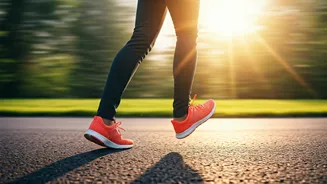
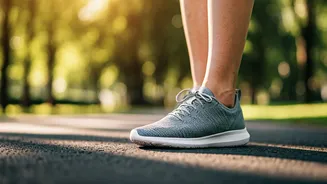
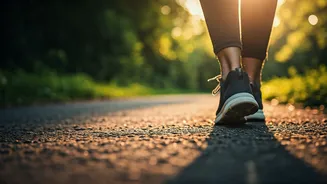
If you spend any time on social media, you’ve likely encountered the “hot girl walk.” Coined by TikTok creator Mia Lind, the concept is simple: a daily, moderately paced, four-mile outdoor walk. But the key isn’t the distance or the speed; it’s the mindset.
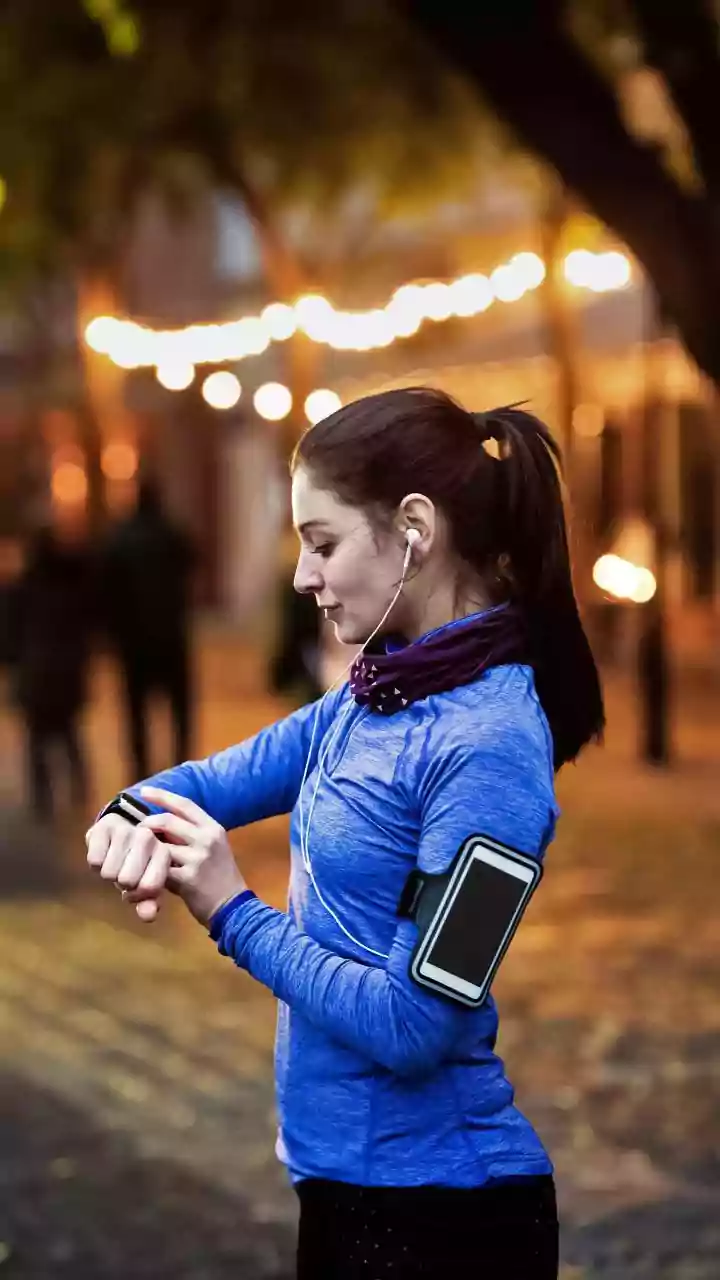
During the walk, you are only allowed to think about three things: what you're grateful for, your goals and how you’ll achieve them, and how “hot” you are. It’s part mindfulness, part manifestation, and part physical activity. This framing transformed a mundane activity into a viral self-care ritual, spawning countless imitators and related trends like “silent walking” (walking without podcasts or music) and “mental health walks.” The aestheticization of the stroll—complete with curated playlists, matching workout sets, and high-end water bottles—has made walking not just a healthy habit, but a piece of a desirable lifestyle.
A Gentle Rebellion Against Grind Culture
For years, the fitness world was dominated by a “no pain, no gain” mentality. High-Intensity Interval Training (HIIT), punishing bootcamps, and expensive studio classes were seen as the gold standard for getting in shape. Walking’s resurgence represents a quiet but powerful rebellion against this high-cost, high-impact, high-stress approach. It’s a form of “soft wellness,” prioritizing consistency, accessibility, and mental peace over brute force and exhaustion. Anyone can do it, it’s free, and it doesn’t require special equipment or a recovery day. In an era where many are feeling burned out by the pressure to optimize every aspect of their lives, walking offers a low-stakes, democratic alternative. It’s a way to move your body that feels restorative, not punishing, aligning perfectly with a broader cultural shift towards gentleness and self-compassion.
The New Office Commute
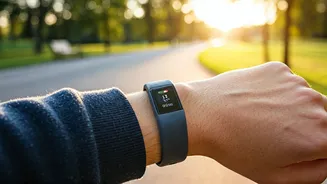
The pandemic-era shift to remote work has fundamentally changed our relationship with physical activity. Gone are the days of the built-in morning walk to the subway or the lunchtime stroll to grab a sandwich. To combat the sedentary reality of working from home, a new piece of equipment has become a status symbol: the walking pad, or under-desk treadmill. These compact devices allow workers to clock thousands of steps while answering emails, taking calls, or sitting in on virtual meetings. Videos of elaborate walking-pad desk setups have gone viral, showcasing a workforce determined to integrate movement back into their day. This trend is more than a novelty; it’s a practical solution to a modern problem, transforming the home office into a space for passive fitness and breaking up the monotony of sitting for eight hours straight.
More Than Just Steps
While the physical benefits of walking are well-documented—improved cardiovascular health, weight management, and stronger bones—the current boom is equally fueled by its profound impact on mental well-being. Stanford University studies have shown that walking can boost creative output by an average of 60 percent. The rhythmic, bilateral movement is believed to have a calming, meditative effect on the brain, reducing anxiety and symptoms of depression. Getting outside provides a dose of Vitamin D and a connection to nature, both of which are proven mood-boosters. Unlike running, which can be too strenuous for introspection, walking hits the sweet spot. It allows the mind to wander freely, helping to process thoughts, solve problems, and achieve a sense of clarity that’s hard to find when you’re staring at a screen.