


The Journey to the ‘Place with Snow’
Let’s be clear: Munsiyari is not an easy place to reach. Tucked away in the Kumaon region of Uttarakhand, India, it’s a destination that demands commitment. The journey from the nearest major railhead involves hours of navigating winding, nerve-jangling
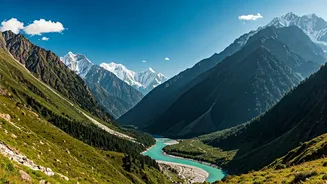
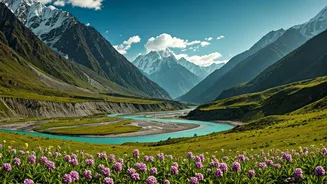
mountain roads that climb ever higher into the Himalayas. You’ll pass terraced fields carved into hillsides, tiny villages clinging to steep slopes, and the rushing Gori Ganga river far below. It’s a trip that peels away the layers of the modern world, replacing cell service and convenience with raw, staggering landscapes. For many travelers, this challenging drive is a deterrent. But for the adventurous, it’s the price of admission to one of India’s most pristine corners.
A Roaring Welcome from Birthi Falls
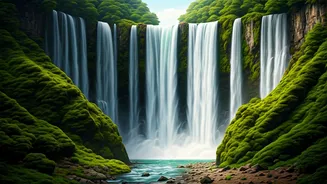
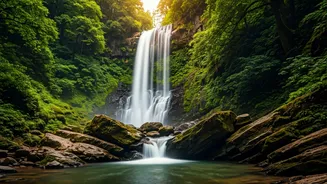
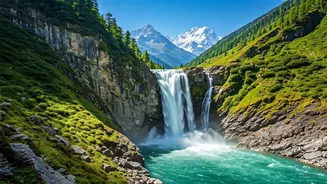
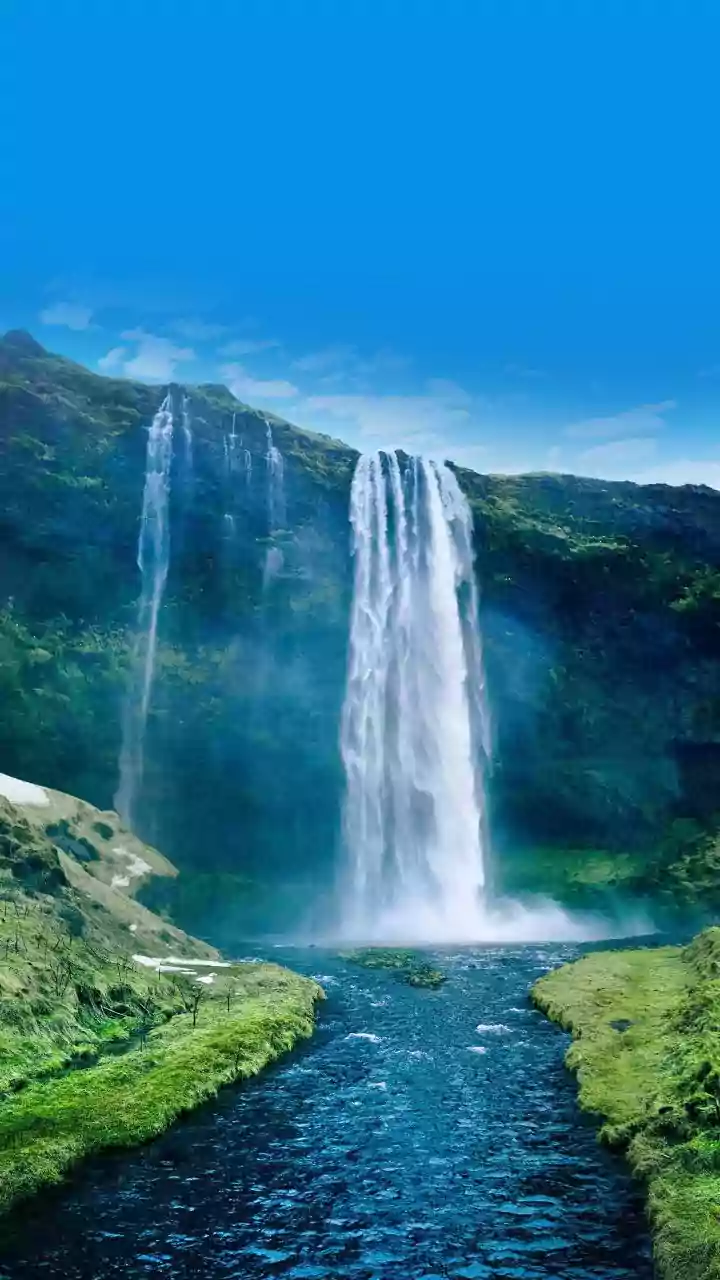
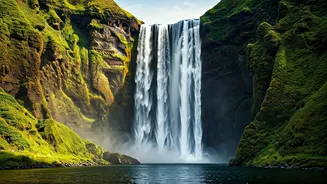
About halfway through the final leg of the drive to Munsiyari, you’ll hear it before you see it: a deep, resonant roar that cuts through the mountain air. This is Birthi Falls. Cascading from a height of over 400 feet, the waterfall is a magnificent spectacle that feels like a deliberate reward from nature. It’s not a gentle trickle but a powerful, multi-tiered torrent of water crashing against the rocks. A short walk from the main road brings you closer, where the spray mists your face and the sheer force of the water is palpable. While the headline calls it a detour, it’s more accurately a dramatic and unmissable landmark on the main route. It serves as a punctuation mark on the journey, a moment to pause, stretch your legs, and stand in awe before continuing the final ascent.
The Grand Reveal: Munsiyari’s Peaks
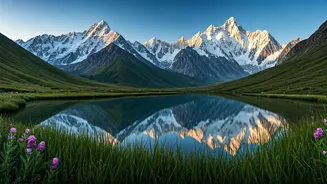
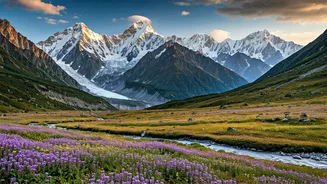
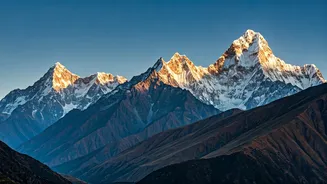
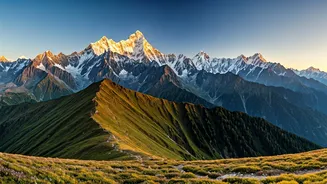
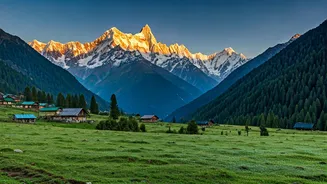
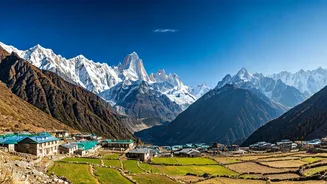
If Birthi Falls is the overture, Munsiyari is the grand symphony. As you finally roll into the quiet town, the reason for the arduous journey becomes breathtakingly clear. Spread before you is a panoramic, almost impossibly close view of the Panchachuli peaks. These five snow-capped summits, fabled to be the final cooking hearths of the Pandavas from the epic Mahabharata, dominate the skyline. They catch the day’s first and last light, turning from soft gold at sunrise to a fiery alpine glow at sunset. Unlike other Himalayan viewpoints that offer distant glimpses, Munsiyari places you right at the foot of these giants. The air is crisp, the vibe is unhurried, and the scenery is so profound it feels less like a landscape and more like a spiritual presence.
Beyond the Postcard View
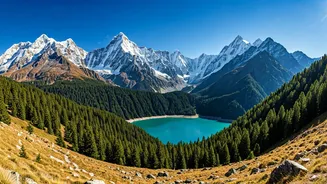
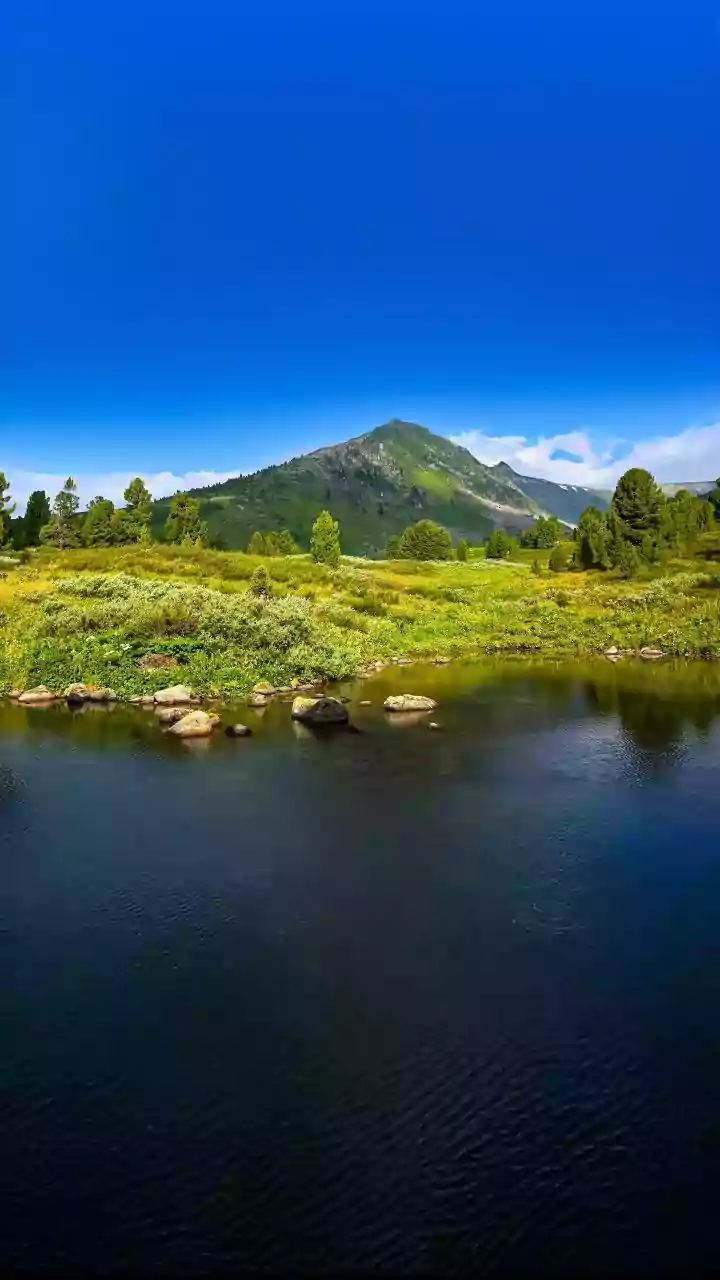
While the view is the star attraction, Munsiyari isn’t just a place to sit and stare. It’s a hub for trekkers and mountaineers, serving as the base camp for challenging routes like the Milam Glacier and Nanda Devi East treks. For casual visitors, there are plenty of shorter hikes. A walk to the Nanda Devi Temple offers a serene perspective, while the path to Thamri Kund, a small alpine lake, takes you through dense forests of rhododendron and pine. The town itself is a fascinating blend of cultures, home to the Shauka people, traders who historically navigated the high-altitude passes into Tibet. Exploring the small market and sampling local food provides a glimpse into a way of life shaped by the high mountains.
Planning Your Himalayan Escape
Visiting Munsiyari requires planning. The best time to go is from March to June and September to October, when the weather is clear and the views are at their best. Avoid the monsoon season (July-August), as heavy rains can cause landslides and make road travel hazardous. The most common route is to take a train or flight to Kathgodam or Pantnagar, then hire a private taxi or take a shared jeep for the 10- to 12-hour drive. Accommodations in Munsiyari range from basic guesthouses to more comfortable hotels, but don't expect five-star luxury. The real luxury here is the unparalleled access to nature and tranquility.