




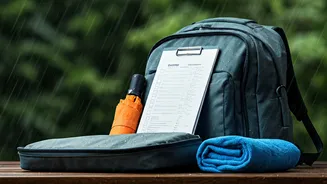

1. Choose Your Outer Defense Wisely
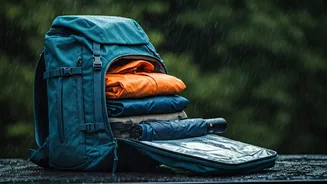
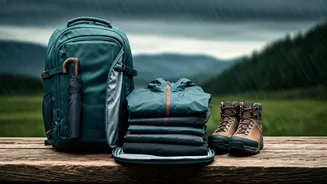
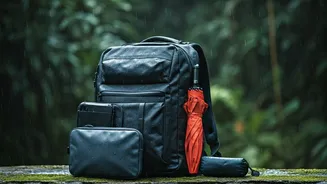
Your first line of defense is your main bag. While a truly 100% waterproof backpack (the kind used for whitewater rafting) is an option, they are often heavy and lack convenient pockets. For most travelers, a more practical solution is a high-quality,
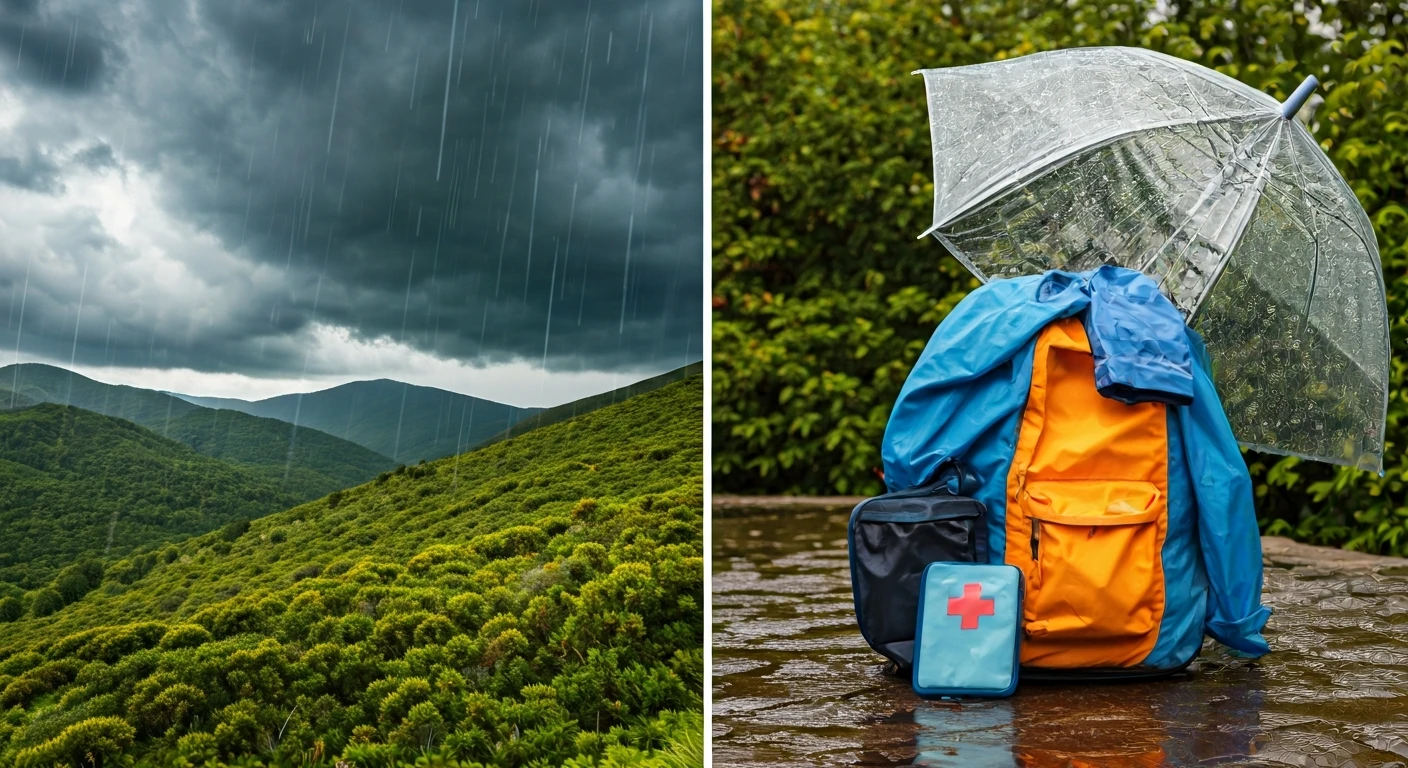
water-resistant pack paired with a separate rain cover. Water-resistant means the fabric will repel a light shower, but seams and zippers are weak points. A packable rain cover, which cinches tightly around your entire bag, is a non-negotiable item. It acts as a cheap, lightweight insurance policy against a sudden downpour, keeping the exterior of your bag from becoming a saturated sponge you have to haul into your hotel room.
2. Embrace the Power of Dry Sacks
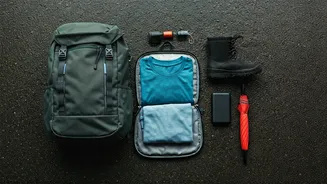
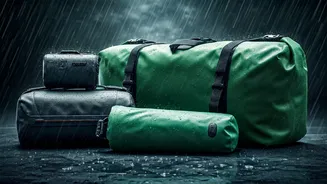
This is the single most important rule for wet-weather travel: your bag’s exterior is for defense, but its interior is for offense. Think of your backpack not as one big container, but as a mothership for smaller, fully waterproof vessels. Dry sacks are the key. These roll-top bags are available in various sizes and are genuinely waterproof. Use them to compartmentalize everything. Dedicate one large sack for your clean clothes, a medium one for electronics, and a small one for important documents. By separating your gear, a leak in your main pack or a moment of carelessness—like setting your bag down in a puddle—only compromises one compartment, not your entire trip's wardrobe.
3. Create an Electronics “Panic Room”
Water is the mortal enemy of modern travel tech. Designate a specific, high-and-dry spot in your pack for all electronics. A dedicated, brightly colored dry sack is perfect for this. Inside it, keep your phone, power bank, charging cables, and camera. For extra protection, consider double-bagging smaller items. A phone can go inside a Ziploc-style bag before joining the other items in the main electronics dry sack. This strategy not only protects your gear from rain but also from accidental spills inside your bag. When you need to grab your gear quickly in a drizzle, you’re only pulling out one organized, protected kit.
4. Rethink Your Wardrobe Fabric
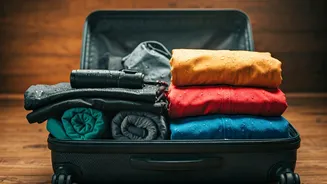
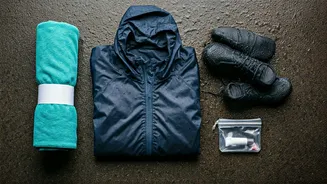
When packing for a humid, rainy climate, fabric choice is everything. Leave the cotton at home. Once wet, cotton takes an eternity to dry, becomes heavy, and can quickly develop a musty smell. Instead, build your travel wardrobe around synthetic, quick-dry materials like polyester, nylon, and merino wool. These fabrics wick moisture away from your skin, feel comfortable even when damp, and can air-dry in a hotel room overnight. Packing fewer, higher-quality items that can be washed in a sink and dried quickly is far more efficient than hauling a suitcase full of damp, useless cotton shirts.
5. Pack a Dedicated “Wet Zone” Bag
Sooner or later, you will have wet clothes, a damp towel, or muddy shoes. The worst thing you can do is throw them in with your clean, dry items. The solution is to pack a dedicated bag for contaminated items. This can be a simple nylon stuff sack or even a sturdy trash bag. At the end of a rainy day, your soaked jacket or dripping swimsuit goes into the “wet zone” bag, completely isolating it from the rest of your pack. This prevents moisture and mildew from spreading, keeping your clean gear pristine and your hotel room from smelling like a locker room.
6. Secure Your Documents and Cash
A water-damaged passport can end a trip faster than a missed flight. Don't assume the passport pocket in your backpack is sufficient protection. Your passport, visa documents, extra cash, and any essential paperwork should live in their own tiny fortress. A simple, robust Ziploc freezer bag is often enough. For added peace of mind, you can buy document-sized waterproof pouches. Keep this pouch in an internal, secure pocket within your pack—ideally inside another, larger dry sack. It might seem like overkill, but the five seconds it takes to pack this way can save you from a bureaucratic nightmare at an embassy.