




What Is Pastel Color-Blocking?
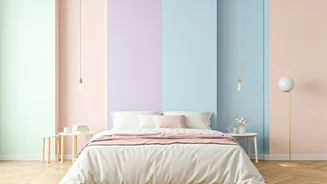
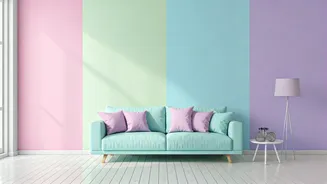
Forget everything you think you know about pastels being just for nurseries. When used in a color-blocking design, they become chic, modern, and deeply soothing. Color-blocking is an interior design technique that involves painting bold, geometric sections
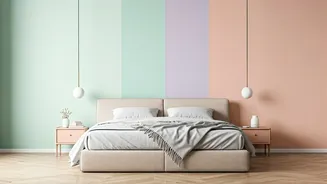
of solid color onto walls or other surfaces. While often associated with bright, high-contrast hues, pairing this technique with a soft pastel palette creates a completely different effect. It’s less about jarring energy and more about creating gentle definition and visual interest. Imagine a soft mint green arch painted behind your bed to create the illusion of a headboard, or a swath of dusty rose that wraps from a wall onto the ceiling, defining a cozy reading nook. This approach turns your walls into a canvas for subtle architectural art, adding depth and intention to a room that might otherwise feel flat.
Choosing Your Perfect Palette
The key to a successful pastel color-blocked room is a well-curated palette. Sticking to three colors is a great rule of thumb: a primary pastel, a secondary accent pastel, and a grounding neutral. Start by finding an inspiration piece—a favorite piece of art, a vintage rug, or even a sunset photo. Pull your colors from there. For a harmonious feel, choose colors that are adjacent on the color wheel, like a soft lavender and a blush pink. For a bit more (but still gentle) dynamism, you can select complementary colors in their pastel forms, such as a pale peach and a sky blue. Don’t forget your neutral. It could be a warm off-white, a soft gray, or even a deep charcoal that makes the pastels pop. Always test your paint samples on the wall in different lights before committing. A color that looks perfect on a tiny swatch can feel completely different when it’s covering a large surface.
Planning Your Geometric Design
Before you pick up a roller, you need a plan. The beauty of color-blocking is its ability to reshape a space. You can use it to create zones, highlight architectural features, or even correct a room’s perceived flaws. A horizontal block of color can make a narrow room feel wider, while vertical stripes can give the illusion of a higher ceiling. Popular designs include creating a faux-headboard shape, painting a large circle or arch behind a key piece of furniture, or carrying a block of color from the wall up onto the ceiling. Use painter’s tape to sketch out your design directly on the wall. Live with the taped-off shape for a day or two to make sure you love the scale and placement. This simple step can save you from a major repainting headache later on.
The Secrets to a Flawless Finish
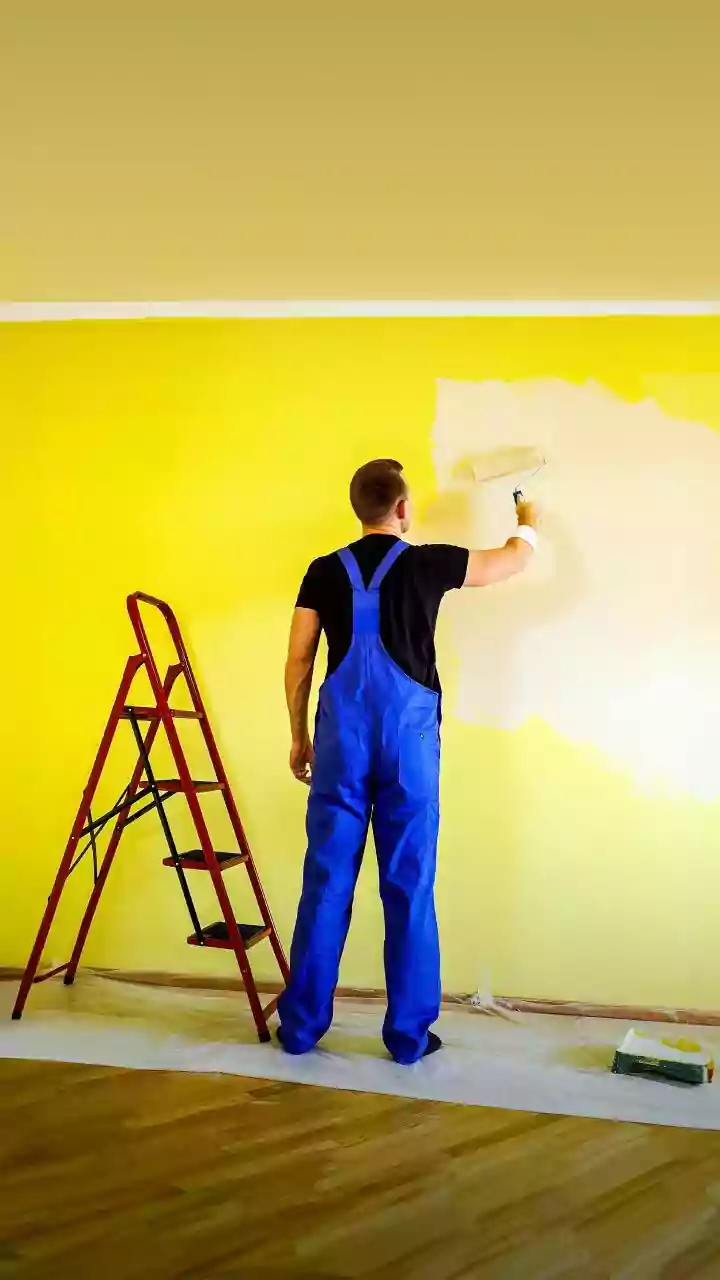
Execution is everything. To get those razor-sharp lines that make color-blocking look professional, high-quality painter’s tape is your best friend. Look for a brand known for clean edges, like FrogTape. Here’s the pro-level trick: after you’ve applied your tape, paint over the edge of the tape with the *original* wall color (the one you're taping over). Let it dry. This seals the edge of the tape, so when you paint your new pastel color over it, none of it can bleed underneath. When it comes to the painting process, always apply your lightest color first and let it dry completely before taping it off to add your darker colors. Once you’ve applied your final coat of pastel paint, peel the painter’s tape off while the paint is still slightly wet, pulling it away from the new color at a 45-degree angle for the cleanest line possible.
Completing the Look
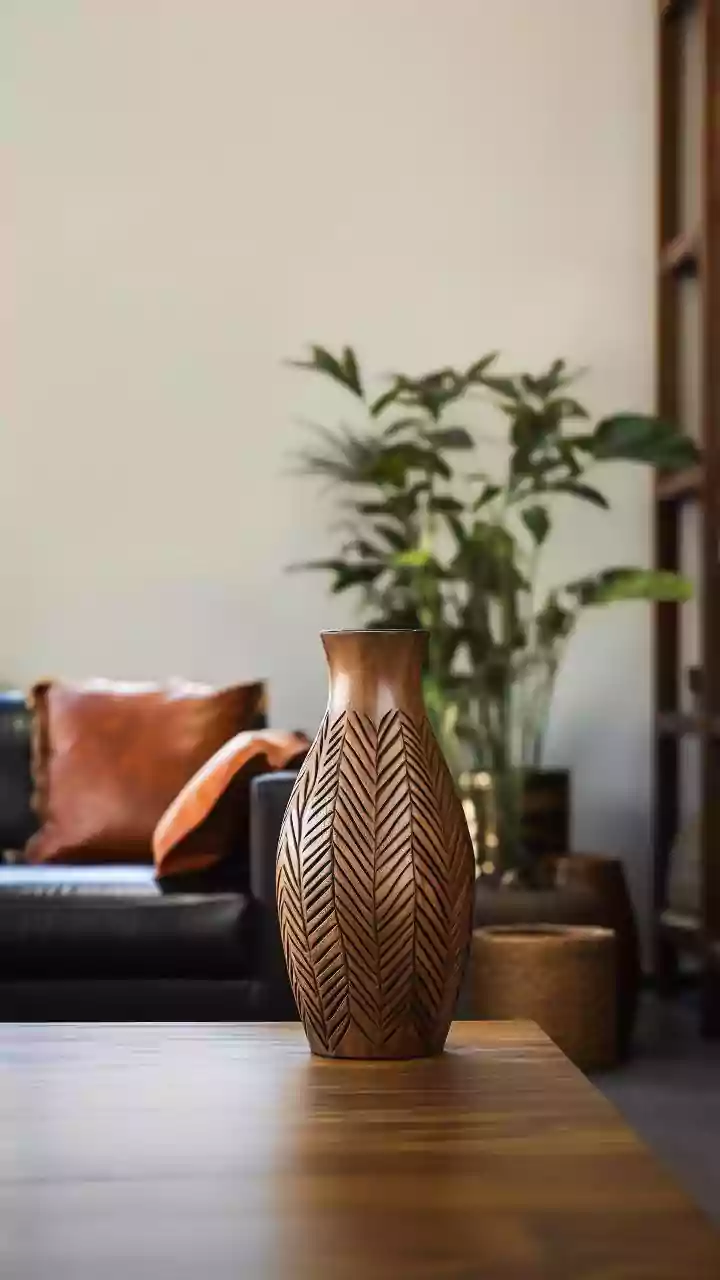
Your statement walls are the star of the show, but they need a supporting cast. To make the design feel cohesive, pull your pastel colors into the rest of the room in small doses. This could mean throw pillows, a vase, or bedding that echoes one of the shades on your wall. However, you don’t want to overdo it. The rest of your room should largely provide a neutral backdrop. Think natural wood tones, simple white or cream bedding, and minimalist decor. This allows your color-blocked feature to truly stand out without overwhelming the space. The goal is a bedroom that feels thoughtfully designed and deeply personal—a serene escape that is anything but boring.