
The Soul of Home Cooking
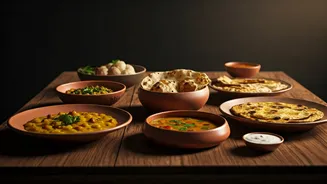
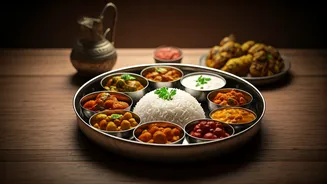
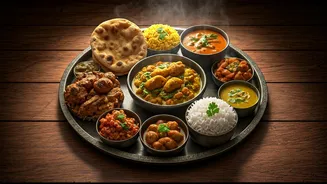
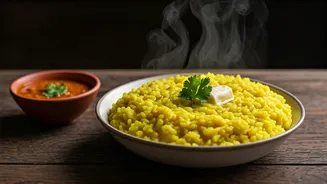
Anyone who grew up in a South Asian household knows the two distinct worlds of food: the rich, complex curries you order at a restaurant, and the nourishing, everyday meals made at home. The latter is 'ghar ka khana.' It’s the simple daal (lentil soup),
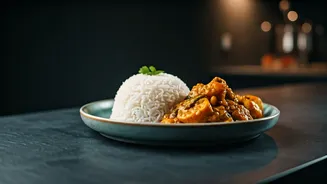
the perfectly soft roti, the seasonal vegetable sabzi, and the fragrant rice that form the backbone of daily life. It’s food that’s less about performance and more about sustenance and love—the taste of a Tuesday night, the feeling of being cared for, the default answer to “What’s for dinner?” For decades, this food has been largely private, cooked and consumed within the family, its value measured in comfort, not clout.
From Kitchen Counter to Center Stage
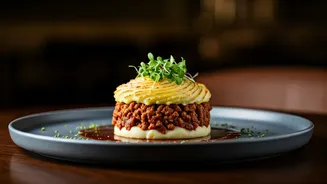
Suddenly, that's all changing. Scroll through Instagram Reels or TikTok today, and you’ll see 'ghar ka khana' like never before. The humble bowl of daal is now shot in cinematic lighting, with a slow-motion pour of sizzling 'tarka' (tempered spices) set to a trending soundtrack. The process of making roti is a mesmerizing tutorial, showcasing the technique with ASMR-worthy sounds. Content creators, often second- or third-generation members of the diaspora, are treating these recipes not as simple chores but as artisanal crafts. They break down the science of a perfect spice blend, explain the importance of soaking lentils, and plate a simple meal of rice and vegetables with the care of a Michelin-starred chef. This isn't just cooking; it's content. It’s 'ghar ka khana' entering its public-facing, aesthetically polished “chef era.”
A Recipe for Reconnection
So, why now? The trend is fueled by a perfect storm of cultural and technological shifts. For many in the South Asian diaspora, the pandemic sparked a renewed interest in home cooking and a deeper desire to connect with their heritage. Unable to visit parents or grandparents, many began documenting family recipes as a way to preserve a legacy. They turned to social media, a native language for millennials and Gen Z, to record, share, and perfect the dishes that taste like home. This act of digital archiving became an act of cultural reclamation. It’s a way to say, “This food, our food, is complex, beautiful, and worthy of the same reverence as French or Italian cuisine.” It’s also a powerful corrective to the often-monolithic view of Indian food in the West, which tends to focus on a handful of restaurant dishes like tikka masala or butter chicken.
More Than Just a Pretty Plate
This “chef era” is about more than just good lighting and beautiful plating. It represents a fundamental shift in how cultural identity is performed and valued. By applying professional techniques and high production values to home cooking, these creators are elevating the status of domestic labor, often performed by mothers and grandmothers, and reframing it as a legitimate culinary art. Furthermore, it empowers a new generation to take ownership of their culture. They are not just passively receiving tradition; they are actively curating, interpreting, and broadcasting it to the world on their own terms. This movement celebrates the specifics—the regional variations, the family secrets, and the personal stories behind the food—making the culinary landscape richer and more authentic for everyone.