




The Backlash to Filtered Perfection
For years, social media feeds were dominated by the “Instagram Face”—a hyper-perfected, algorithm-friendly look defined by sharp contour, matte skin, and sculpted brows. It was a high-glam, high-effort aesthetic that, for many, felt more like a digital
costume than a personal style. Now, the pendulum is swinging hard in the other direction. There's a growing fatigue with the pressure to look flawless and filtered 24/7. This cultural exhaustion has fueled a desire for authenticity. Instead of hiding behind layers of foundation, people are embracing real skin texture, freckles, and the occasional blemish. It’s a quiet rebellion against an unattainable standard, choosing the beauty of reality over the performance of perfection. This shift isn’t about letting go; it's about a more confident and relaxed approach to self-presentation, where your actual face is the main event.
Smarter Consumers and Savvier Spending
Today’s beauty consumer is more educated than ever. Thanks to an endless stream of information from dermatologists, chemists, and creators on platforms like TikTok and YouTube, shoppers are becoming fluent in the language of ingredients. They know their niacinamide from their hyaluronic acid and are less likely to be swayed by fancy packaging or marketing jargon alone. They want products that are effective, backed by science, and free of questionable additives. This demand for transparency has given rise to the “skinimalism” trend—a focus on minimalist routines with fewer, better products. Furthermore, with economic uncertainty looming, consumers are recession-proofing their beauty habits. They’re investing in versatile, high-performing products that deliver real value, rather than accumulating a graveyard of single-use items. A pared-down routine isn’t just chic; it’s financially smart.
The Rise of the Hybrid Hero
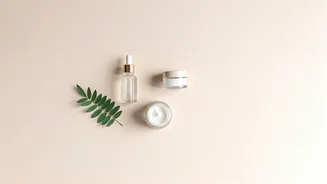
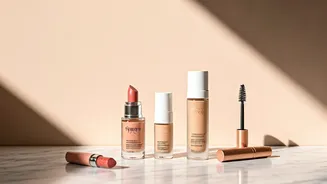
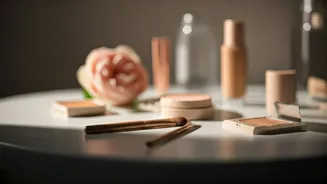
The beauty industry has responded to this new minimalist mindset with a wave of innovative, multi-tasking products. Why use a separate moisturizer, sunscreen, and foundation when you can use a single tinted SPF that does all three? The modern vanity is becoming a curated collection of “hybrid heroes”—products that blend skincare benefits with cosmetic effects. Think serum-infused skin tints, cheek and lip stains that offer a natural flush of color, and conditioning brow gels. These products save time, money, and precious counter space. This “skin-ification” of makeup means that color cosmetics are now expected to do more than just cover up; they need to actively improve the skin. It’s a practical evolution that aligns perfectly with a lifestyle that prioritizes efficiency and skin health above all else.
A New Wave of Celebrity Influence
The celebrity beauty brand isn't new, but its philosophy has undergone a radical transformation. The era of celebrity-fronted collaborations for dramatic eyeshadow palettes and bold lip kits has given way to founder-led brands championing a skin-first ethos. Figures like Hailey Bieber with her “glazed donut skin” philosophy for Rhode, or Rosie Huntington-Whiteley’s clean essentials at Rose Inc., are the new role models. They aren't selling a dramatic transformation; they’re selling an aspirational state of skin health and a naturally enhanced version of you. Their marketing focuses on dewy, fresh-faced looks that feel achievable and prioritize long-term skin wellness over a temporary cosmetic effect. This shift has normalized a more understated look, making healthy, luminous skin the ultimate status symbol, not a perfectly baked and contoured face.