
An Escape from the Expected
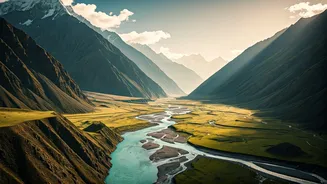
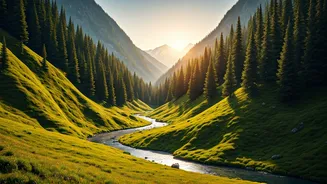
Imagine a valley where the loudest sound is the rush of a crystal-clear river, not the honk of tourist buses. That’s the immediate appeal of Tirthan. Tucked away in the Kullu district of Himachal Pradesh, a northern Indian state famous for its dramatic
mountain landscapes, this valley has long been overshadowed by more commercialized neighbors like Manali. But its relative obscurity is precisely its strength. Designated an “eco-zone,” Tirthan has deliberately resisted the large-scale development that has diluted the character of other Himalayan hotspots. There are no sprawling resorts or flashy nightclubs here. Instead, the valley offers a refreshing throwback to a slower, more connected way of experiencing nature. For American travelers weary of crowded trails and looking for a genuine immersion into Himalayan life, Tirthan feels less like a tourist destination and more like a well-kept secret you’ve been let in on.
The Crown Jewel: A UNESCO Park
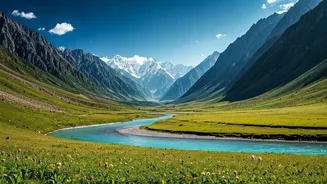
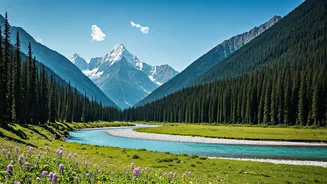
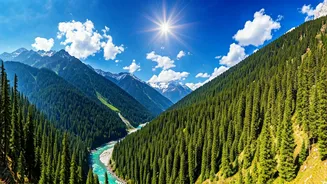
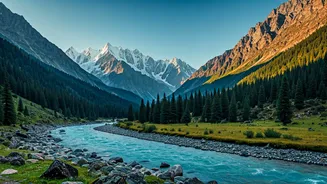
The heart of Tirthan’s outdoorsy energy beats within the Great Himalayan National Park (GHNP), a UNESCO World Heritage Site that borders the valley. This sprawling, protected wilderness is a trekker’s paradise, a raw and untamed expanse of alpine meadows, dense forests, and snow-capped peaks. Unlike more accessible parks, the core zone of the GHNP is roadless, meaning its stunning beauty is reserved for those willing to explore on foot. Treks range from gentle day hikes along the Tirthan River to multi-day expeditions to remote glacial lakes. The park is a sanctuary for incredible biodiversity, including the elusive snow leopard and the colorful Western tragopan. For visitors, it’s a chance to experience the Himalayas in their most elemental form—challenging, awe-inspiring, and profoundly wild. The park’s strict conservation rules ensure that the experience remains pristine for generations to come.
Life Revolves Around the River
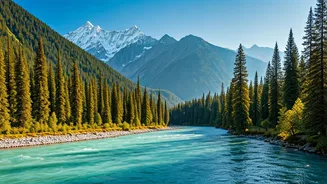
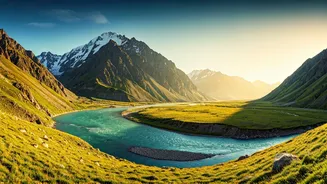
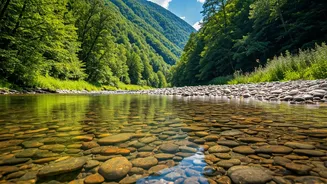
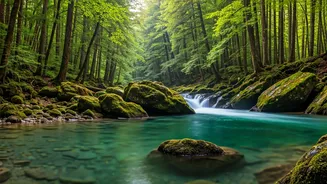
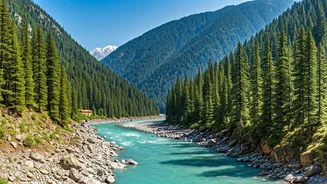
The valley is named for the Tirthan River, a vibrant ribbon of turquoise water that flows down from the glaciers of the GHNP. This river isn't just a scenic backdrop; it’s the community’s lifeblood and a hub of activity. The waters are famously clean and teeming with brown and rainbow trout, making it one of the premier angling destinations in India. First-timers can hire local guides who provide gear and expert tips on the art of fly fishing. But you don’t need a fishing rod to appreciate the river. Many visitors spend their days simply sitting by its banks, picnicking on smooth grey stones, or taking a bracing (and very cold) dip in one of its calmer pools. The constant, soothing sound of the water is the valley’s natural soundtrack, a calming presence that washes away the stress of modern life.
The Warmth of Homestay Culture
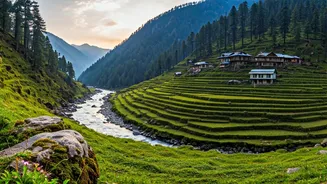
Perhaps the most defining aspect of a trip to Tirthan is where you stay. The valley is dotted with traditional homestays, often built in the local Kath-Kuni style using interlocking cedarwood and stone without mortar. Staying in one of these homes offers more than just a bed for the night; it’s an invitation into a local family’s life. Hosts are known for their incredible warmth, sharing home-cooked meals made with ingredients from their gardens and telling stories about the valley’s history and traditions. This model of community-based tourism not only provides a deeply authentic experience for travelers but also ensures that the economic benefits of tourism flow directly to local residents. It’s a sustainable approach that preserves the very culture and environment that makes Tirthan so special.