

The Gospel of 'Soft Life'
Before it was a meal, it was a mindset. The term 'soft life,' which gained traction within the Nigerian influencer community before going global, is an intentional pivot away from relentless ambition and the glorification of struggle. It’s not about being
lazy or avoiding work; it's about actively choosing peace, prioritizing mental well-being, and embracing a life of comfort and low-stress existence. Where 'hustle culture' and the 'girlboss' era demanded optimization and constant striving, the soft life proposes a radical alternative: What if life could be gentle, beautiful, and easy? This philosophy champions financial security not for the sake of accumulation, but for the freedom it provides to live without unnecessary hardship. It’s about surrounding yourself with beauty, protecting your peace, and saying no to things that drain your energy. And now, that ethos is showing up on our plates.
From Mindset to Mealtime
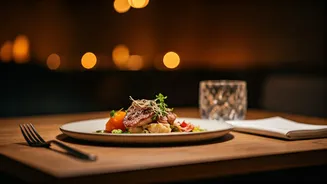
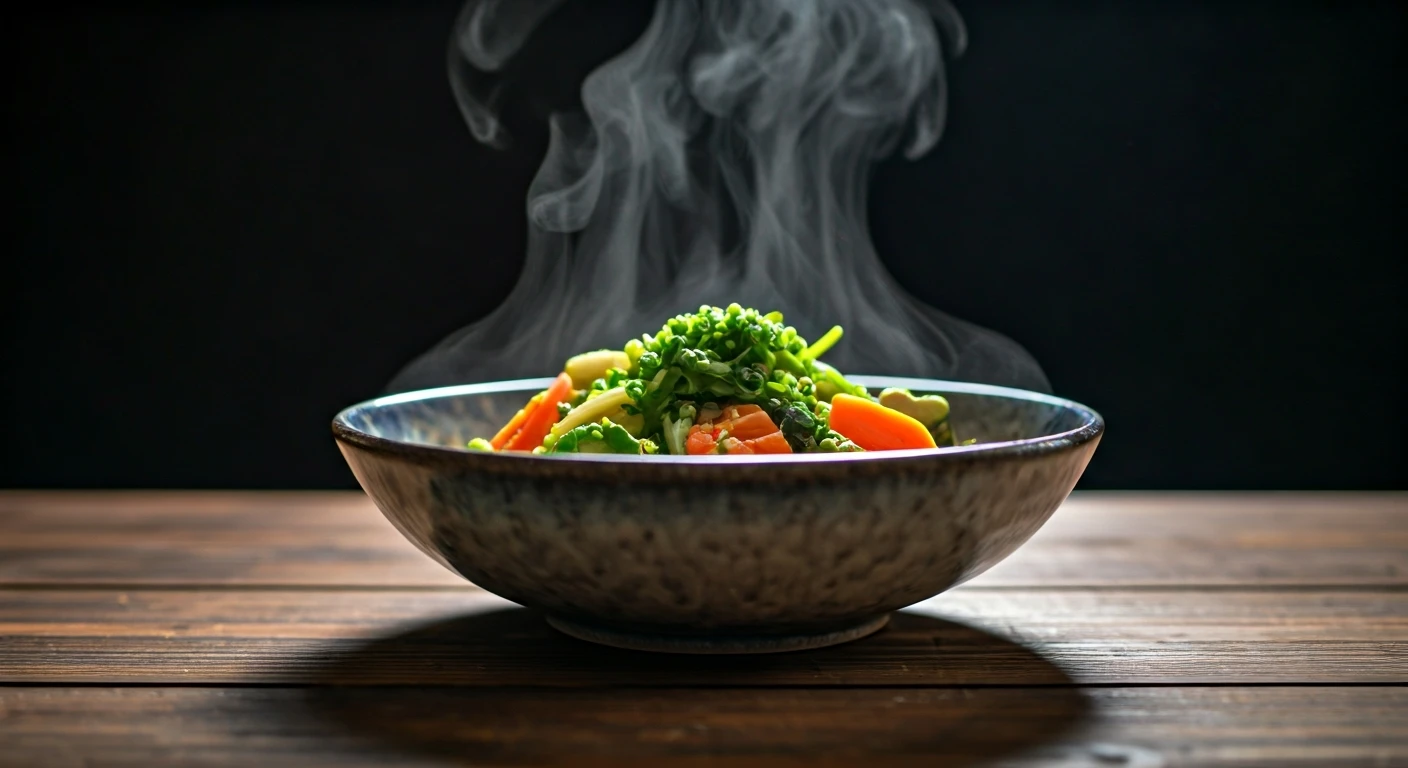
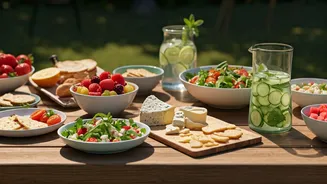
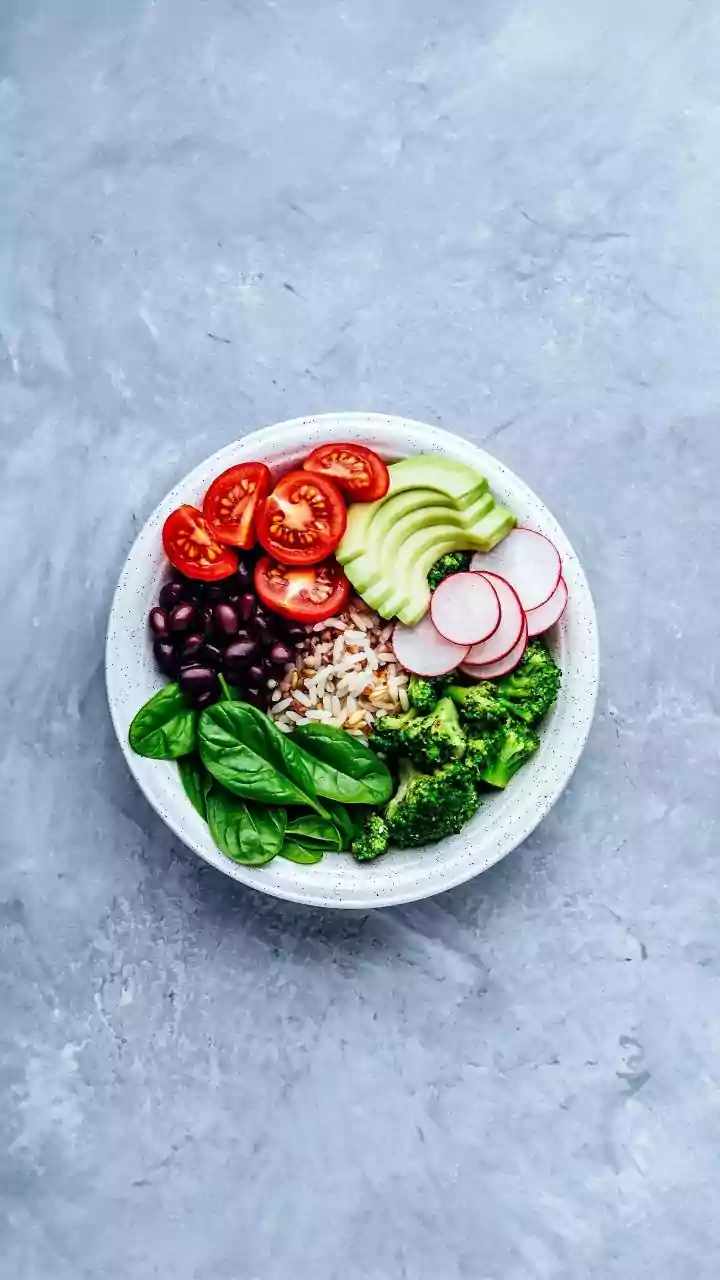
So, what does a 'soft life' meal actually look like? Think less about complex recipes and more about artful assembly. It’s food that feels luxurious without requiring hours of labor. The aesthetic is paramount: vibrant, fresh, and photogenic. It’s a beautifully arranged bowl of colorful berries, yogurt, and granola. It's a simple piece of sourdough toast topped with high-quality tinned fish, a squeeze of lemon, and fresh dill. It's a glass of water infused with cucumber and mint that feels more like a spa treatment than simple hydration. The key is the ratio of effort to reward. If it takes five minutes to put together but looks and tastes like a decadent treat, it’s soft-life food. This trend rejects the idea that a 'proper' meal must be cooked, hot, and composed of multiple complicated components. Instead, it celebrates the elegance of simplicity.
The 'Girl Dinner' Phenomenon
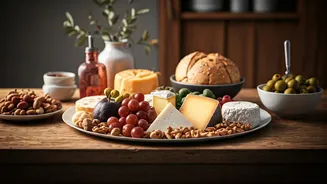
No single trend embodies the soft-life food movement more perfectly than 'girl dinner.' The term, which exploded on TikTok, describes a meal composed entirely of snacks: a little cheese, some crackers, a handful of olives, a few slices of prosciutto, some fruit, and maybe a stray pickle. It’s a personal, deconstructed charcuterie board for one. Its viral appeal came from its honesty. For years, many people (especially women) have been eating these kinds of low-effort, grazing meals in private, perhaps with a tinge of guilt that it wasn’t a 'real' dinner. The trend gave it a name, a hashtag, and a sense of collective, joyful validation. It’s the ultimate anti-performance meal. It requires no cooking, minimal cleanup, and is tailored entirely to your specific cravings. It is the culinary manifestation of prioritizing your own ease and pleasure above any external expectation of what dinner 'should' be.
A Quiet Rebellion on a Plate
This embrace of effortless eating isn't happening in a vacuum. It’s a direct and delicious backlash to the burnout that has defined the last decade. For millennials who were told to lean in, optimize their side hustles, and climb the corporate ladder at all costs, the soft life is a form of quiet quitting on the entire ideology. For Gen Z, who watched this happen and entered a world of economic precarity, it's a preemptive refusal to participate in the rat race. Food is often a mirror for our cultural values. The laborious, multi-course dinner parties of another era reflected a time of different social expectations and domestic roles. Today's soft-life food trends reflect a society grappling with exhaustion. Choosing a 'girl dinner' over a home-cooked meal isn't just about convenience; it’s a small, edible act of defiance against the pressure to do more, be more, and perform perfection in every aspect of life, including the kitchen.