


The Valley That Only Wakes for Summer
Tucked away in the Garhwal Himalayas of northern India lies a place of mythic beauty: the Valley of Flowers National Park. A UNESCO World Heritage Site since 2005, this isn't your typical garden. For eight months of the year, it’s a landscape of rock,
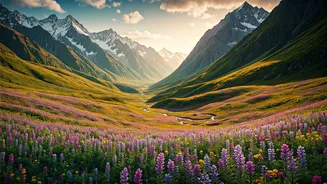
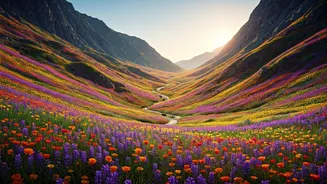
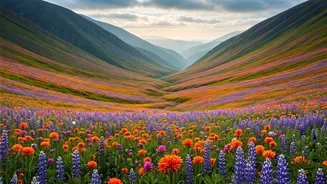
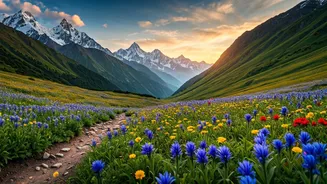
snow, and ice. But when the monsoon rains arrive in late June, the valley undergoes a miraculous transformation. The melting snow and seasonal moisture coax life from the alpine soil, carpeting the entire 33-square-mile expanse with an impossible density of wildflowers. This brief, vibrant period, typically from July to early September, is Uttarakhand’s famed “floral window.” It’s a natural event so fleeting and dramatic that it has become a pilgrimage for botanists, trekkers, and travelers seeking one of the world's great natural spectacles.
A Living Carpet of Alpine Jewels
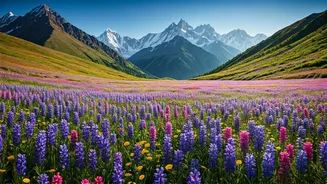
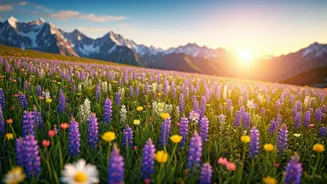
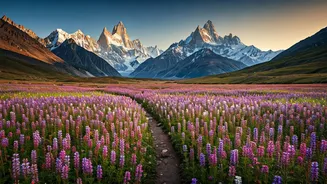
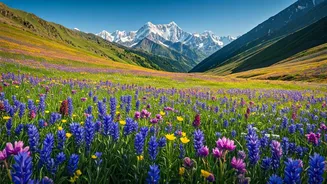
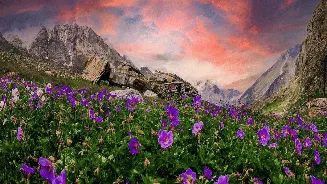
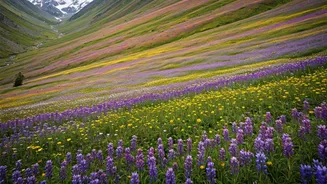
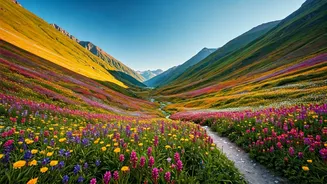
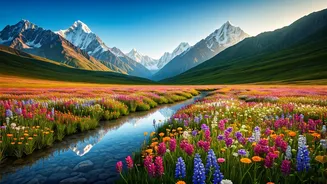
To call it a field of flowers is an understatement. The valley floor becomes a mosaic of over 600 species of flora, many of which are found nowhere else on Earth. The colors shift almost weekly as different species take their turn blooming. You’ll find swaths of brilliant blue poppies, elegant white Brahma Kamal (the sacred flower of the Himalayas), deep purple geraniums, and fiery orange potentillas. The air itself is thick with a mixture of damp earth and sweet floral scents. Walking through the valley is a deeply sensory experience. Unlike a curated botanical garden, this is nature at its most raw and untamed. The sheer scale and diversity are staggering, creating a landscape that looks more like an impressionist painting than reality. It's a powerful reminder of the resilience and beauty that can emerge in even the harshest environments.
The Journey Is Part of the Reward
You can’t simply drive to the Valley of Flowers. Its remoteness is a key part of its preservation and allure. The journey is an adventure in itself, a multi-day trek that immerses you in the Himalayan ecosystem long before you reach the main attraction. The trip typically begins from the small town of Govindghat, followed by a trek of about 8 miles to the base camp village of Ghangaria. The path follows the roaring Pushpawati River, winding through dense forests of oak and birch, with waterfalls cascading down mossy cliffs. While not a technical climb, the trek requires a good level of fitness due to the altitude and terrain. But every step is a reward, offering glimpses of snow-capped peaks and the crisp, clean air of the high mountains. This deliberate, slow approach makes the final arrival in the flower-filled valley feel earned and all the more profound.
Why This Is a True Countdown
The phrase “bucket-list countdown” isn't just marketing hype; it reflects the genuine urgency of the experience. The floral window is incredibly short. Miss the July-to-September period, and you’ve missed it for the year. The park closes to visitors by the end of October as winter begins its swift, unyielding return. This ticking clock creates a powerful incentive to plan and commit. Furthermore, like many delicate high-altitude ecosystems, the valley is vulnerable. Climate change, with its shifting weather patterns, poses a long-term threat to the unique conditions that allow these flowers to thrive. Seeing the valley isn't just about catching it in the right season; for many, it’s about appreciating a fragile wonder that may not remain unchanged forever. It’s a call to witness something precious while it still exists in its full glory.