
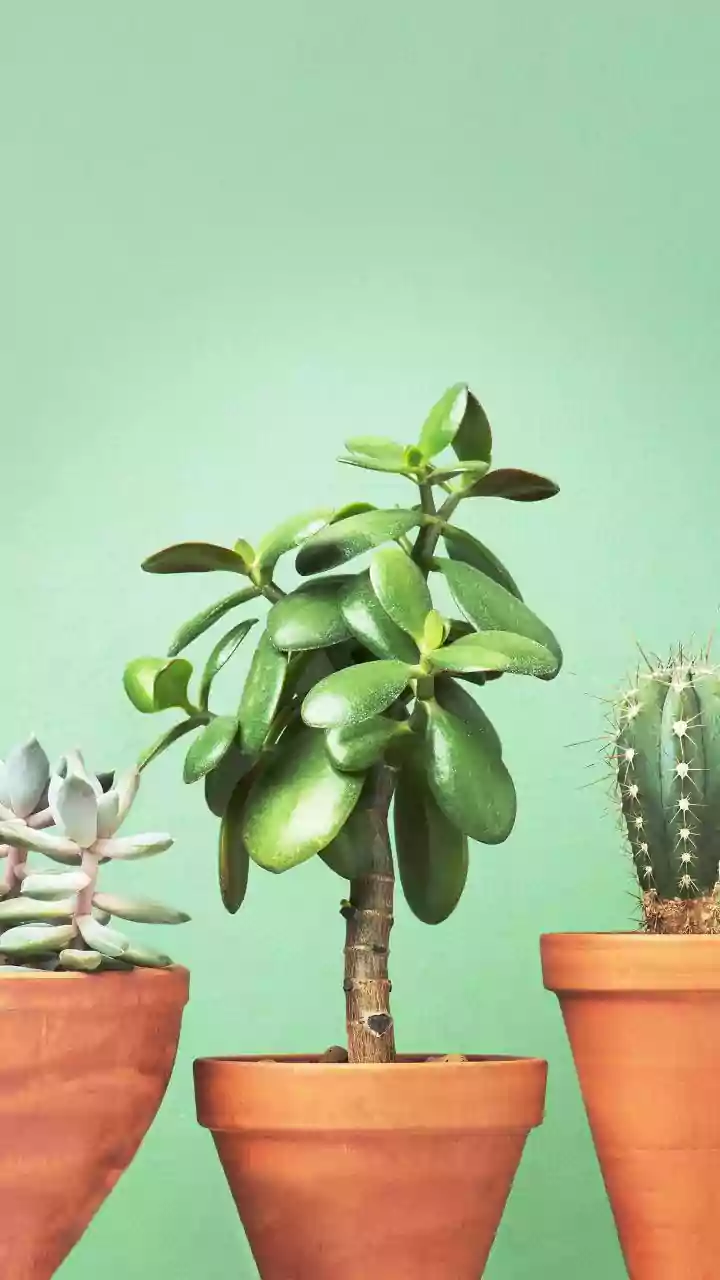
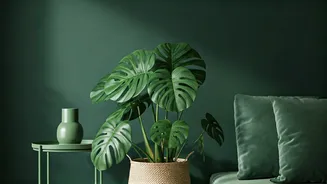


Principle 1: Understand True Biophilic Design
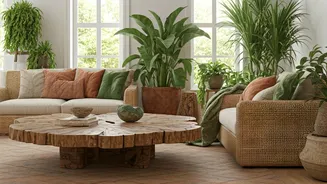
Biophilic design is more than just scattering a few potted plants around your living room. It’s a philosophy aimed at creating a calming, restorative environment by incorporating nature directly and indirectly. This includes maximizing natural light,
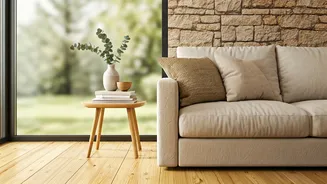
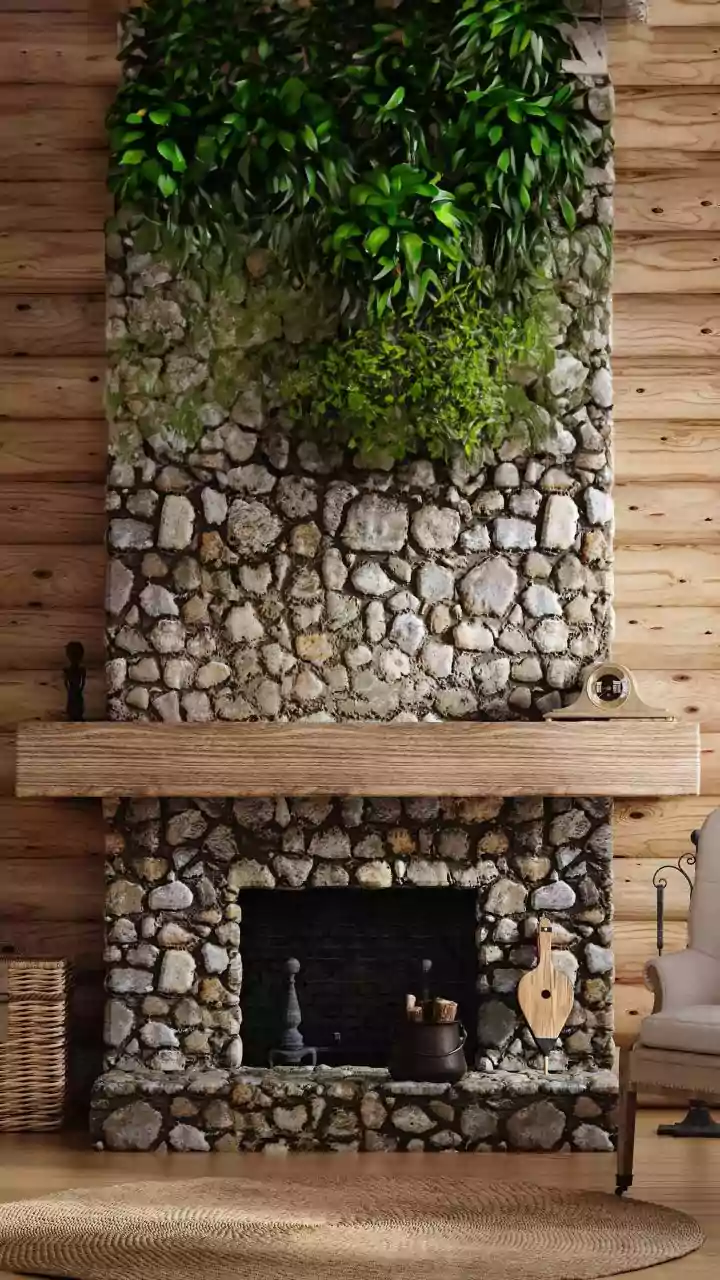
using natural materials like wood and stone, and integrating patterns and shapes that mimic the natural world. For pet owners, this is great news. The core tenets—like durable, natural materials and an emphasis on creating a healthy indoor ecosystem—align perfectly with creating a resilient, pet-friendly space. Think of it not as a choice between plants and pets, but as an opportunity to build a healthier, more harmonious home for everyone who lives in it.
Principle 2: Build a Non-Toxic Plant Army
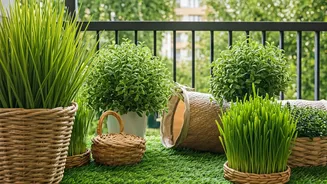
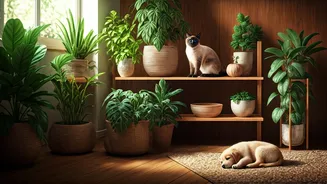
The cornerstone of pet-friendly biophilic design is a careful selection of non-toxic plants. Many of the most popular houseplants can be harmful if ingested by cats or dogs. Before you buy, always check a plant’s status on the ASPCA’s comprehensive online database. Fortunately, there are dozens of stunning, safe options to choose from. Build your indoor jungle with confidence using beautiful and resilient choices like the Spider Plant (Chlorophytum comosum), which is also a fantastic air purifier. Add texture with a Parlor Palm (Chamaedorea elegans) or a Cast Iron Plant (Aspidistra elatior), both of which are famously low-maintenance. For pops of color and pattern, consider the vibrant Prayer Plant (Maranta leuconeura) or a trailing Peperomia. These plants form the safe foundation of your design.
Principle 3: Design with Elevation and Separation
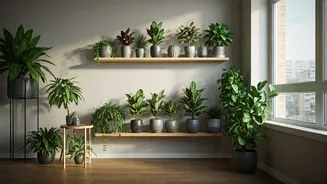
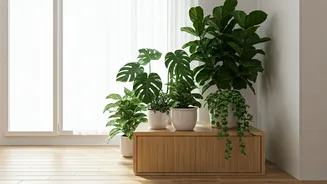
Even with safe plants, you don’t want your cat using your prized fern as a salad bar or your dog digging in the soil. Smart interior design is your best defense. Think vertically. Use hanging planters to create cascading greenery that stays well out of reach. Install floating shelves or tall plant stands to elevate pots above paw-level. You can also create physical “no-go zones” by clustering plants on a dedicated console table that your dog can’t access or in a corner blocked by other furniture. This strategy, known as layering, not only protects your plants and pets but also adds visual depth and interest to your space, making the design feel more intentional and sophisticated.
Principle 4: Choose Pet-Friendly Natural Materials
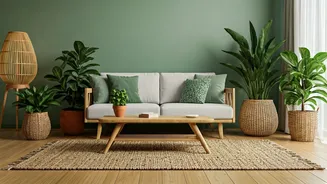
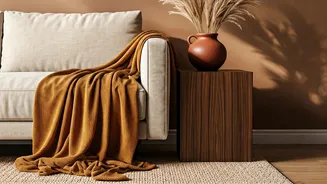
Biophilic design celebrates natural textures, and this is where pet-friendliness shines. Swap delicate fabrics for durable, natural textiles like tightly woven cotton, linen blends, or even washable wool throws. These materials are less likely to snag on claws and are often easier to clean. For furniture and flooring, solid wood, bamboo, cork, and stone are excellent choices. They evoke the outdoors and stand up to the wear and tear of daily pet life far better than particle board or high-pile carpets. Incorporating these elements—a jute rug, a slate coaster, a sturdy oak coffee table—reinforces the biophilic theme while creating a practical, livable home.
Principle 5: Know the Hard 'No's'
While focusing on what you *can* have is more fun, safety demands knowing what to avoid entirely. Some common houseplants are extremely toxic to pets and should never be brought into a home with cats or dogs, even if you think you can place them out of reach. Lilies (all parts of the plant) are lethally toxic to cats, causing kidney failure from even minimal exposure. Sago Palms are another severe hazard, with ingestion often leading to liver failure and death. Other popular but dangerous plants to avoid include Dumb Cane (Dieffenbachia), Philodendrons, and Pothos, all of which can cause painful oral irritation, swelling, and vomiting. When it comes to pet safety, it’s always better to be certain, so if you’re unsure about a plant, leave it at the store.