


The Rise of 'Passion Tourism'
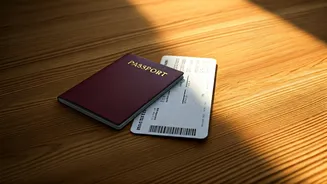
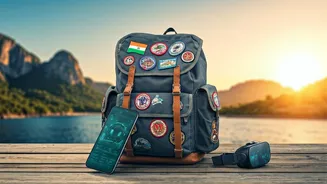
Forget leisurely sightseeing and ticking off monuments from a checklist. A new travel trend, often called 'passion tourism' or 'event-led travel,' is taking hold among India’s Gen Z and millennial population. The concept is simple: the destination is secondary
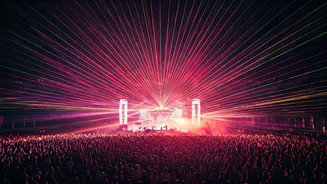
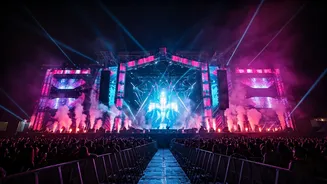
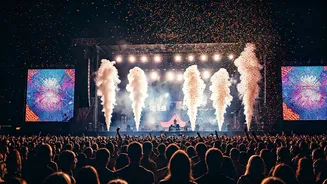
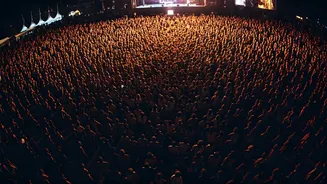
to the main event. The entire trip—flights, hotels, and local activities—is built around securing a spot at a specific concert, a championship sports match, or a major cultural festival. Recent examples have been impossible to miss. When the ICC Cricket World Cup was held in India, cities hosting major matches saw travel searches spike by as much as 150-200%. Similarly, when global superstars like Taylor Swift or Coldplay announce tour dates in nearby hubs like Singapore or Dubai, a wave of young Indian fans transforms into international travelers, meticulously planning multi-day trips just for a three-hour show. This isn't a niche activity; it’s a mainstream movement.
From Family Pilgrimage to FOMO
This marks a significant cultural departure from traditional Indian travel patterns, which often revolved around family obligations, religious pilgrimages, or pre-packaged group tours to historical sites. The new driver is a potent mix of economic independence and digital culture. India’s burgeoning economy has created a generation of young professionals with disposable income and a global outlook. They are digital natives who see the world through the lens of social media, where the fear of missing out (FOMO) is a powerful motivator. Seeing peers post about epic concert experiences or live sporting moments fuels a desire to participate, not just observe. The post-pandemic era has also amplified a craving for live, communal experiences. After years of lockdowns and virtual interactions, the allure of being physically present in a crowd, sharing a collective moment of excitement, has never been stronger. This generation is choosing to invest in memories and experiences over material goods.
An Economic Powerhouse Awakens
The travel and hospitality industries have been quick to notice—and capitalize on—this shift. Airlines and travel aggregators now see massive, predictable spikes in bookings corresponding with event announcements. Hotels in host cities can command premium rates, and many travel companies are beginning to offer curated packages that bundle event tickets with accommodation and flights. This demographic is not just traveling; they are spending. Reports from travel agencies show that these 'passion tourists' are often willing to pay a premium for better seats, convenient lodging, and unique local experiences that complement the main event. They might book a food tour the day after a concert or visit a local hotspot they saw on Instagram. It’s a cascading economic effect where a single event can vitalize a city’s entire tourism ecosystem, driven by consumers who prioritize the quality of their experience above all else.
More Than Just a Trip
Ultimately, this trend is about more than just travel logistics; it's a form of identity-building. For many young Indians, traveling for an event is a declaration of their passions. It’s a way to connect with a global community of fans who share their interests, whether it's a specific cricket team, a musical artist, or an F1 driver. The trip becomes a pilgrimage of a different sort—one centered on personal interests and self-expression. In a country with one of the world's largest youth populations, this shift offers a glimpse into the future of consumer behavior. The pursuit is no longer just about seeing the world, but about finding your place in it, one electrifying event at a time. The souvenir isn't a keychain from the Eiffel Tower, but the lingering adrenaline from a stadium-wide singalong.