








From Steps to a Side Hustle
Imagine getting paid for your daily walk. That’s the simple, powerful promise of 'move-to-earn' (M2E), a burgeoning sector of the Web3 world that gamifies physical activity. Unlike traditional fitness apps that reward users with badges or bragging rights,
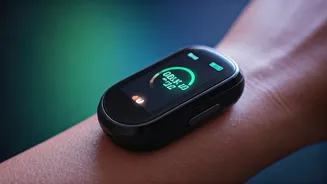
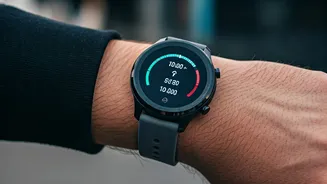
M2E platforms connect to a user’s smartphone sensors to track movement and pay them in cryptocurrency tokens. These digital assets can then be held as an investment, traded on crypto exchanges for cash, or used within the app to 'upgrade' their earning potential, for instance by buying a virtual pair of sneakers that earns more tokens per step. It’s a mashup of the gig economy, the wellness craze, and the speculative world of crypto, all rolled into one. For a generation that grew up online, the idea of digitizing and monetizing a routine activity like walking feels less strange and more like a natural extension of the digital world.
The Perfect Proving Ground
Why is this trend finding such fertile soil in India? It’s a perfect storm of demographic and technological factors. India has the world's largest youth population, with more than 600 million people under the age of 25. This cohort is digitally native, aspirational, and hungry for alternative income streams beyond traditional 9-to-5 jobs. Add to that soaring smartphone penetration and some of the cheapest mobile data plans on the planet. This combination has already fueled massive growth in e-commerce, digital payments, and online gaming. The move-to-earn model fits right in. Furthermore, despite regulatory uncertainty, India has one of the highest crypto adoption rates globally. For many young Indians, a small, gamified entry point like an M2E app is a far less intimidating way to dip their toes into the crypto market than navigating complex trading platforms.
Cashing In on Cardio
The ecosystem is dominated by a few key players. Apps like Stepn, which saw explosive initial growth, require users to first buy a pricey NFT (non-fungible token) in the form of a virtual sneaker before they can start earning. The high cost of entry creates a barrier but also promises higher returns. Others, like Sweatcoin and its crypto counterpart Sweat Wallet, operate on a 'freemium' model, allowing anyone to start earning tokens for free, albeit at a slower rate. The actual income varies wildly. Early adopters of popular platforms reported earning anywhere from a few dollars to over $50 a day during market peaks. However, for most users, it’s more akin to a micro-income—enough to cover a phone bill or a few meals, rather than replace a full-time salary. The appeal isn't just the money; it’s the gamified motivation to stay active, turning a health goal into a tangible financial reward.
Not a Walk in the Park
Beneath the hype lies significant risk. The entire move-to-earn model is built on the volatile foundation of cryptocurrency. The value of the tokens users earn can plummet overnight, wiping out potential profits. The in-game economies are also incredibly delicate; if more people are cashing out than investing in, the app's token can enter a 'death spiral.' This has led critics to label some M2E projects as unsustainable or bearing the hallmarks of pyramid schemes, where the profits for early users depend on a constant stream of new investors buying in. The high cost of entry for premium apps like Stepn means users are making a significant upfront investment with no guarantee of a return. As regulators in India and elsewhere grapple with how to handle the crypto space, the future of these platforms remains uncertain. For users, it's a high-stakes bet on both their fitness and the future of digital finance.