



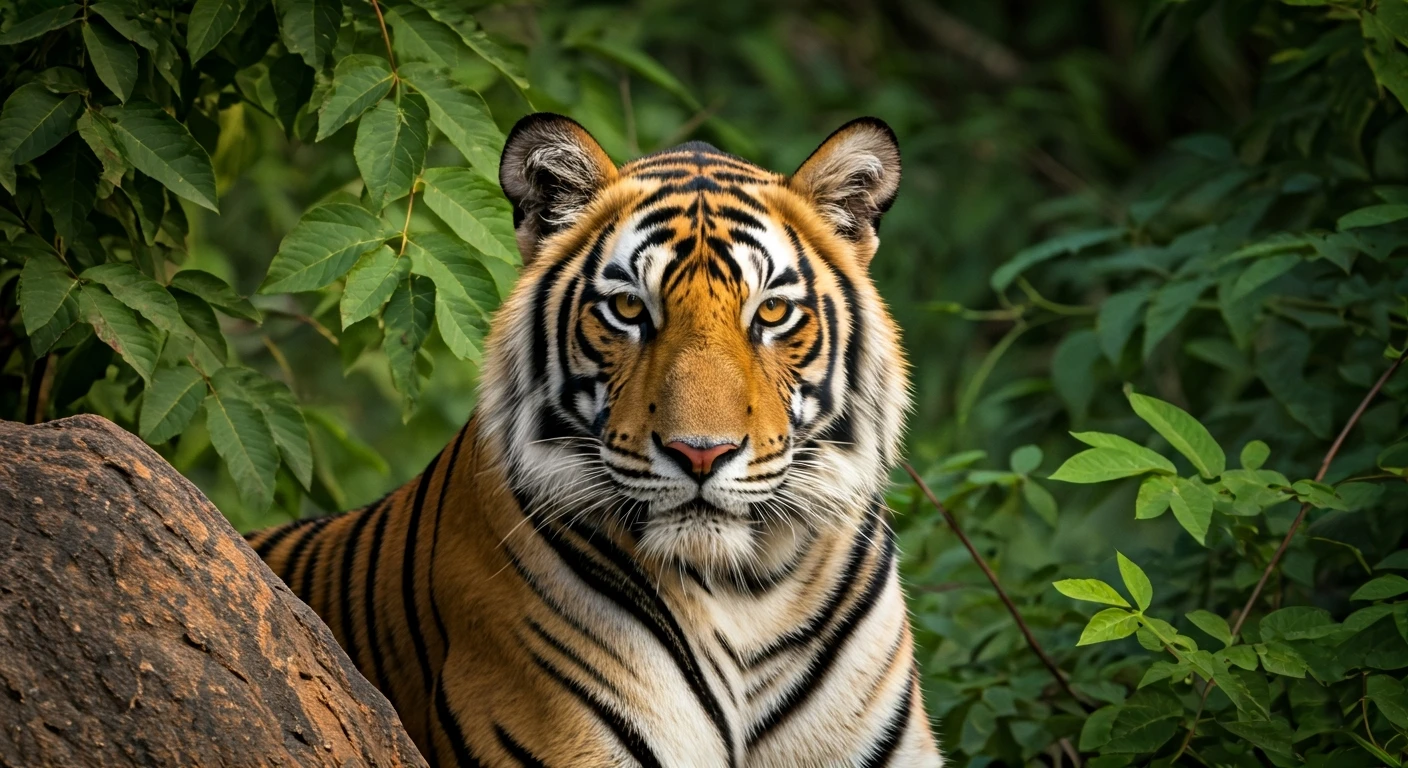
The Star Attraction: Bengal Tigers
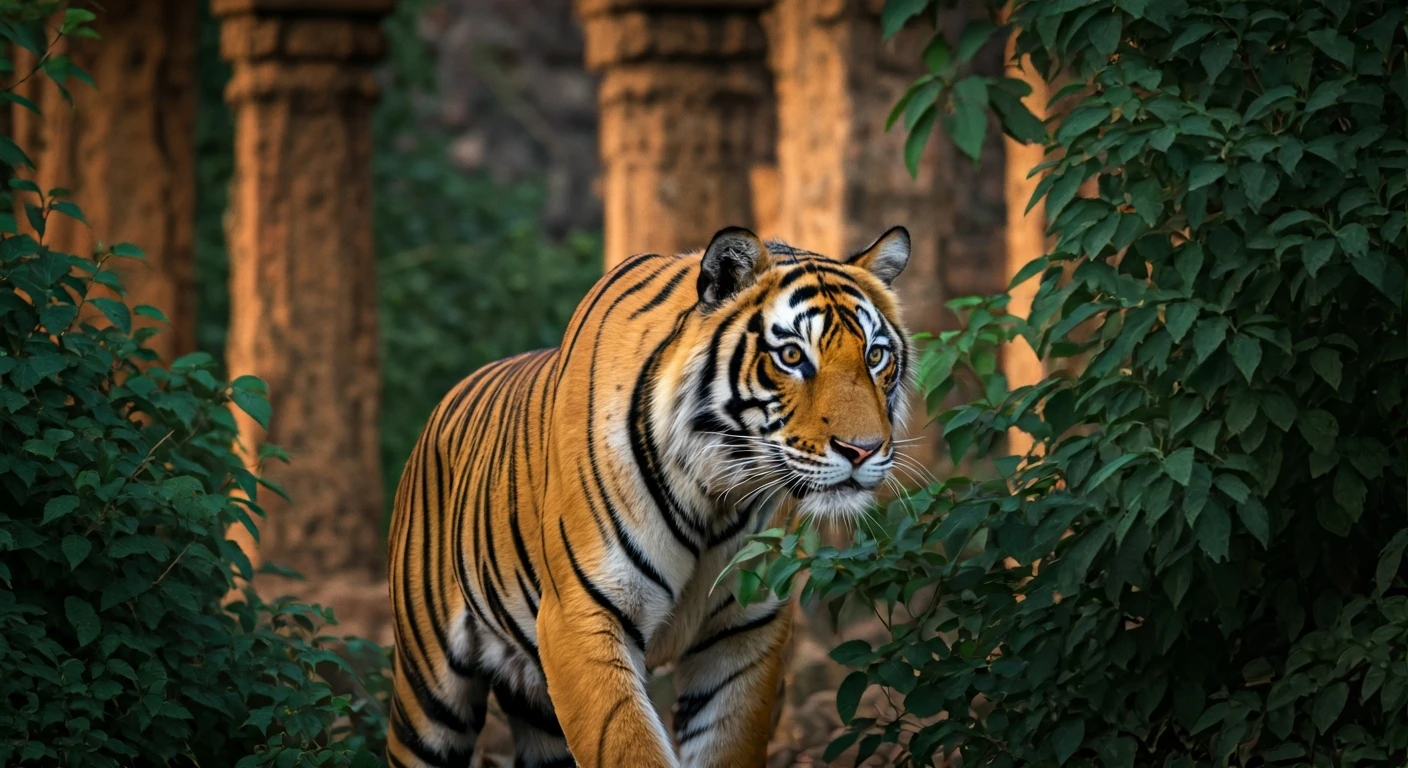
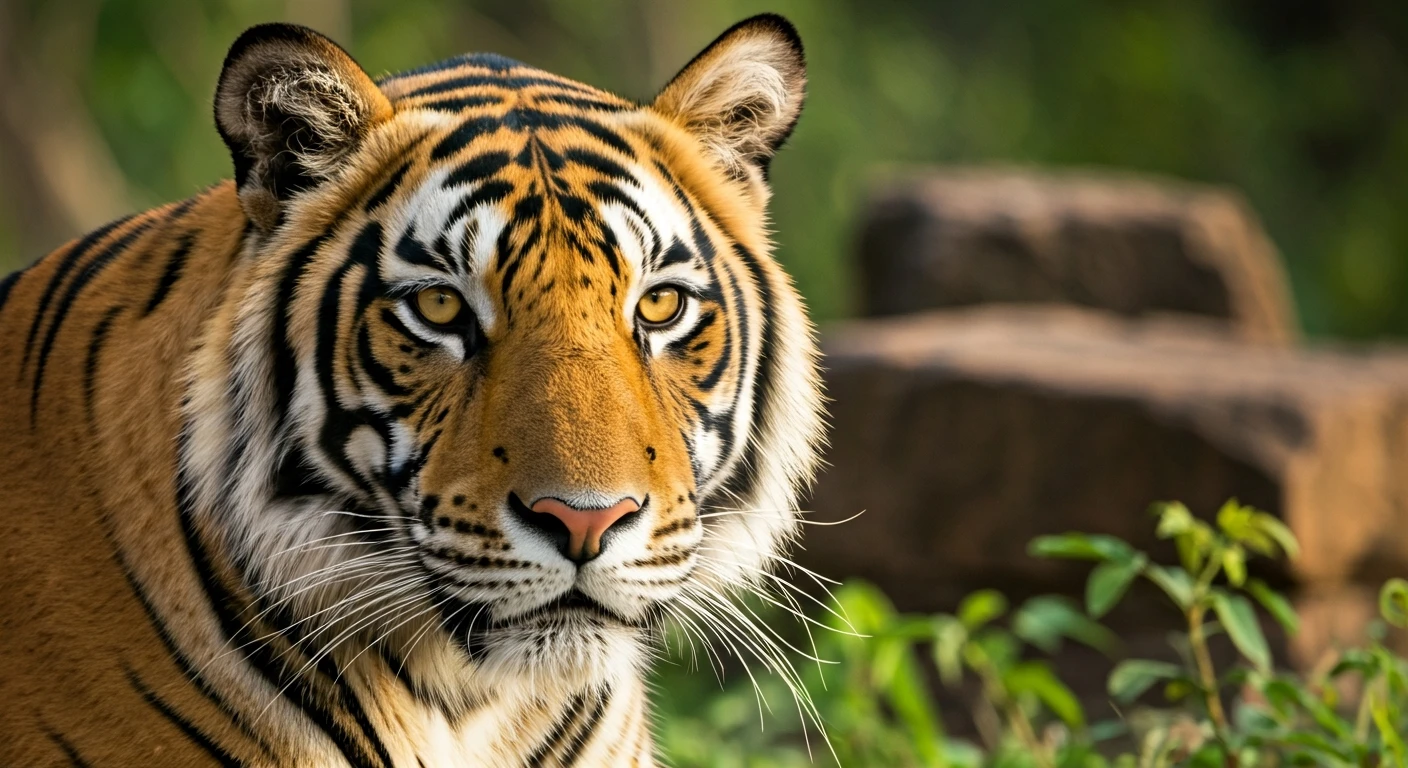
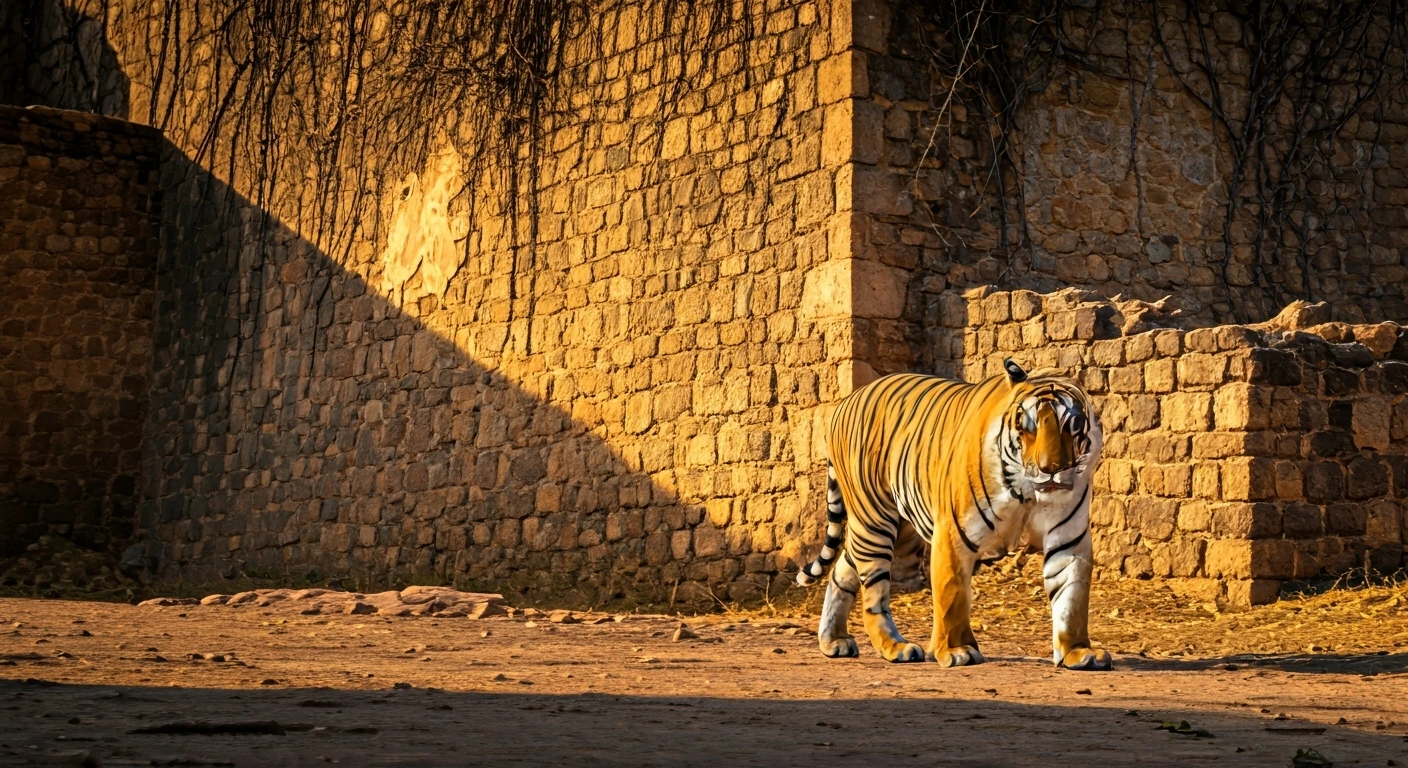
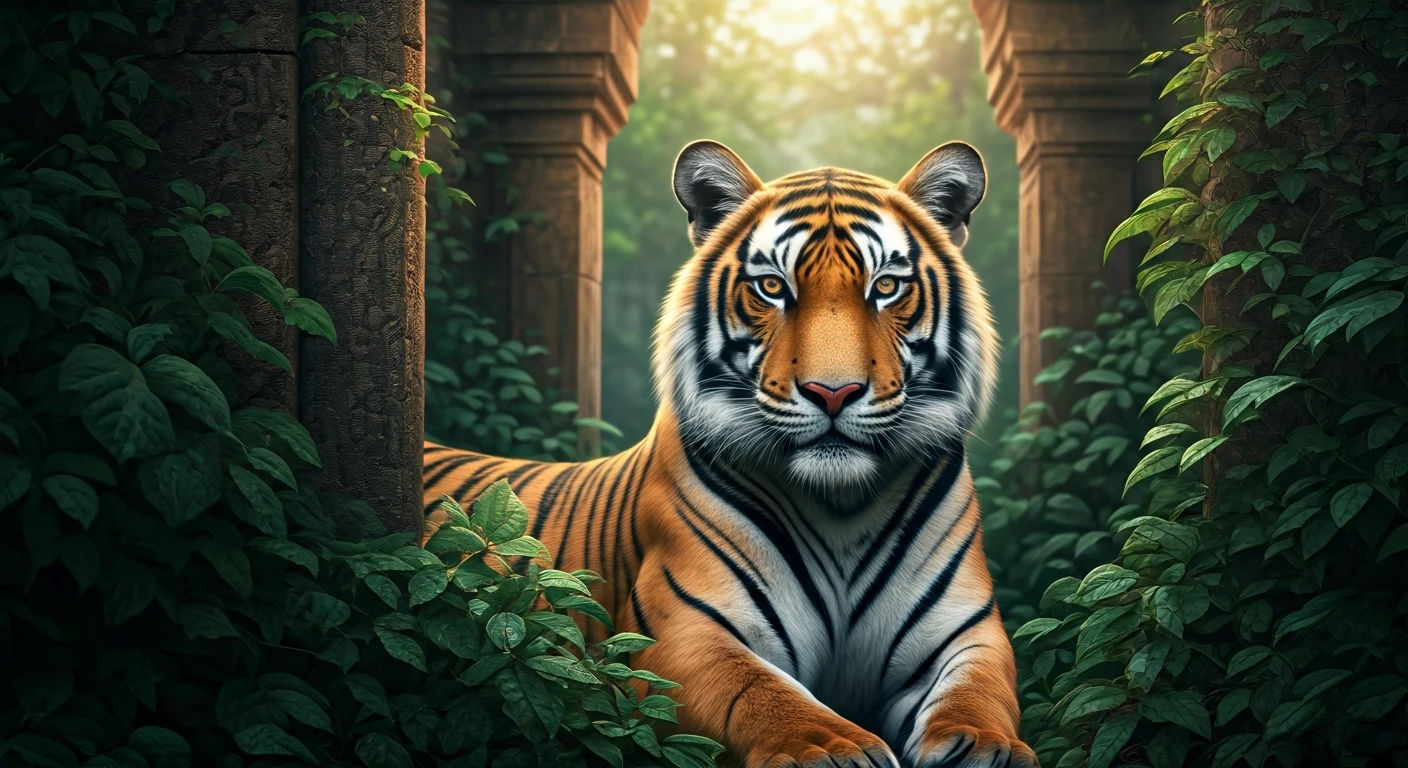
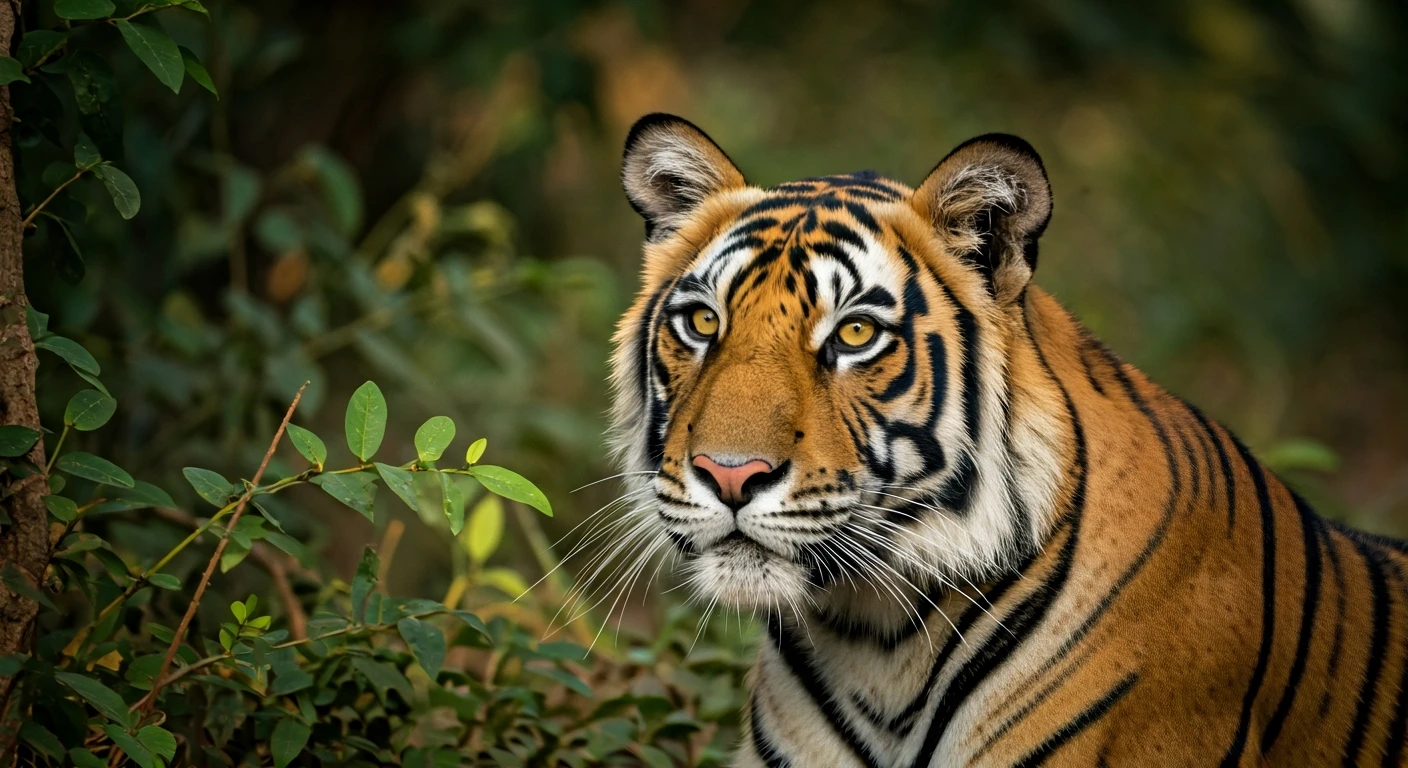
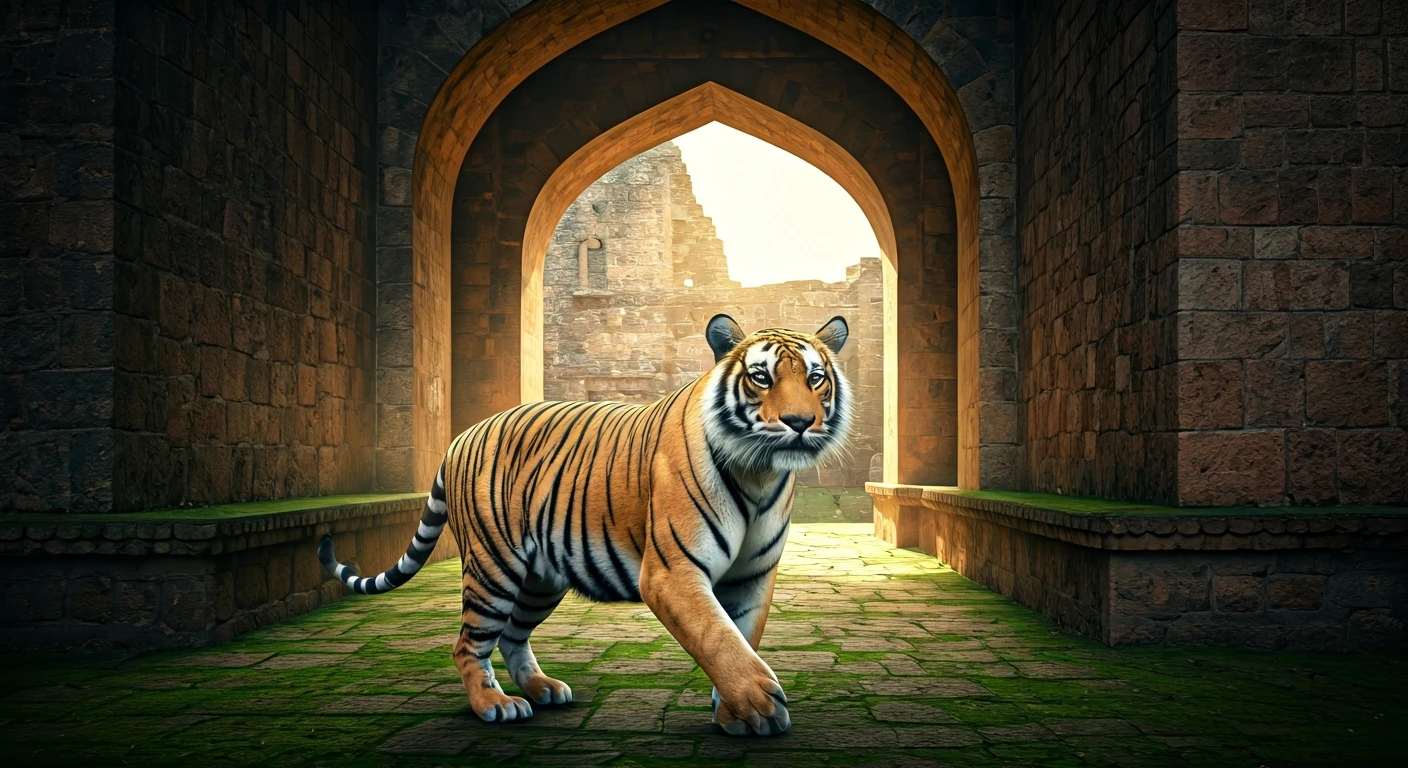
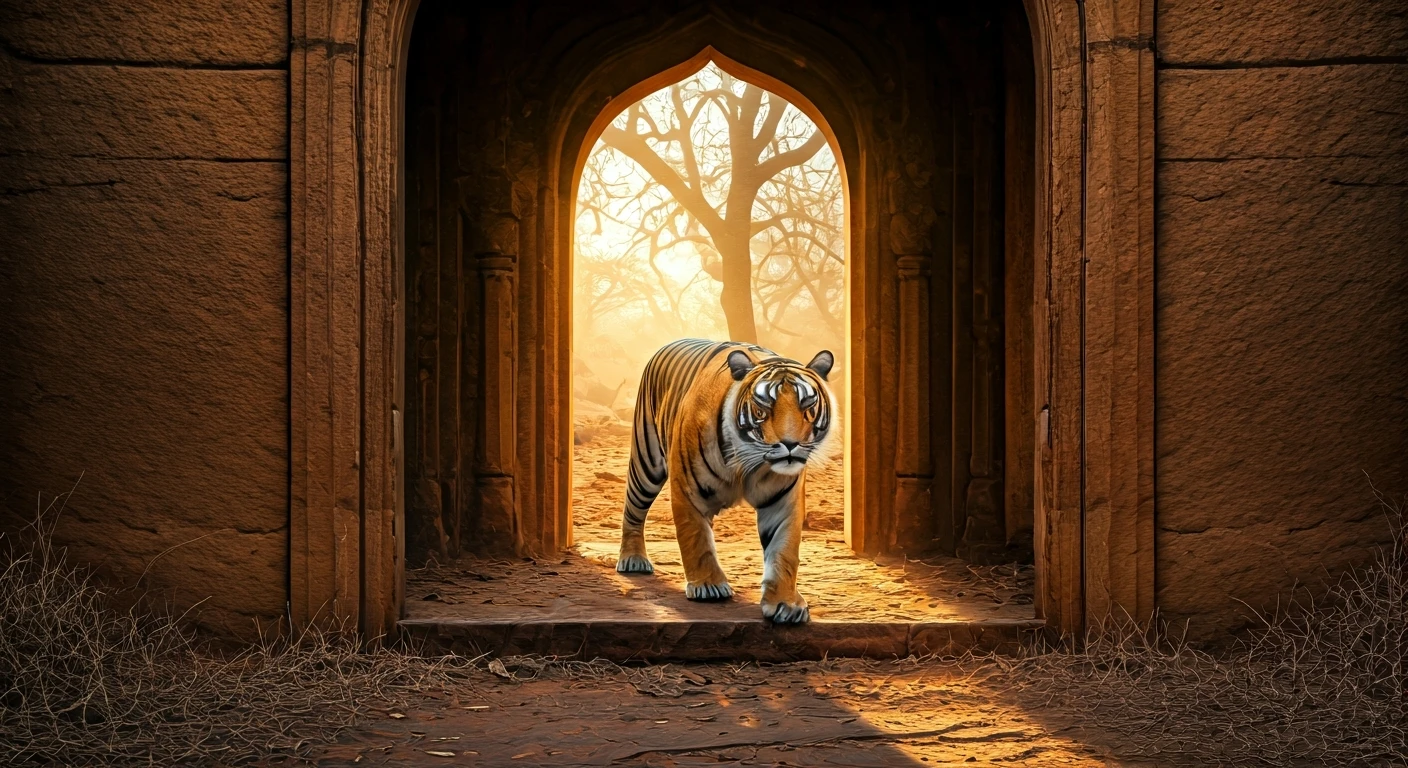
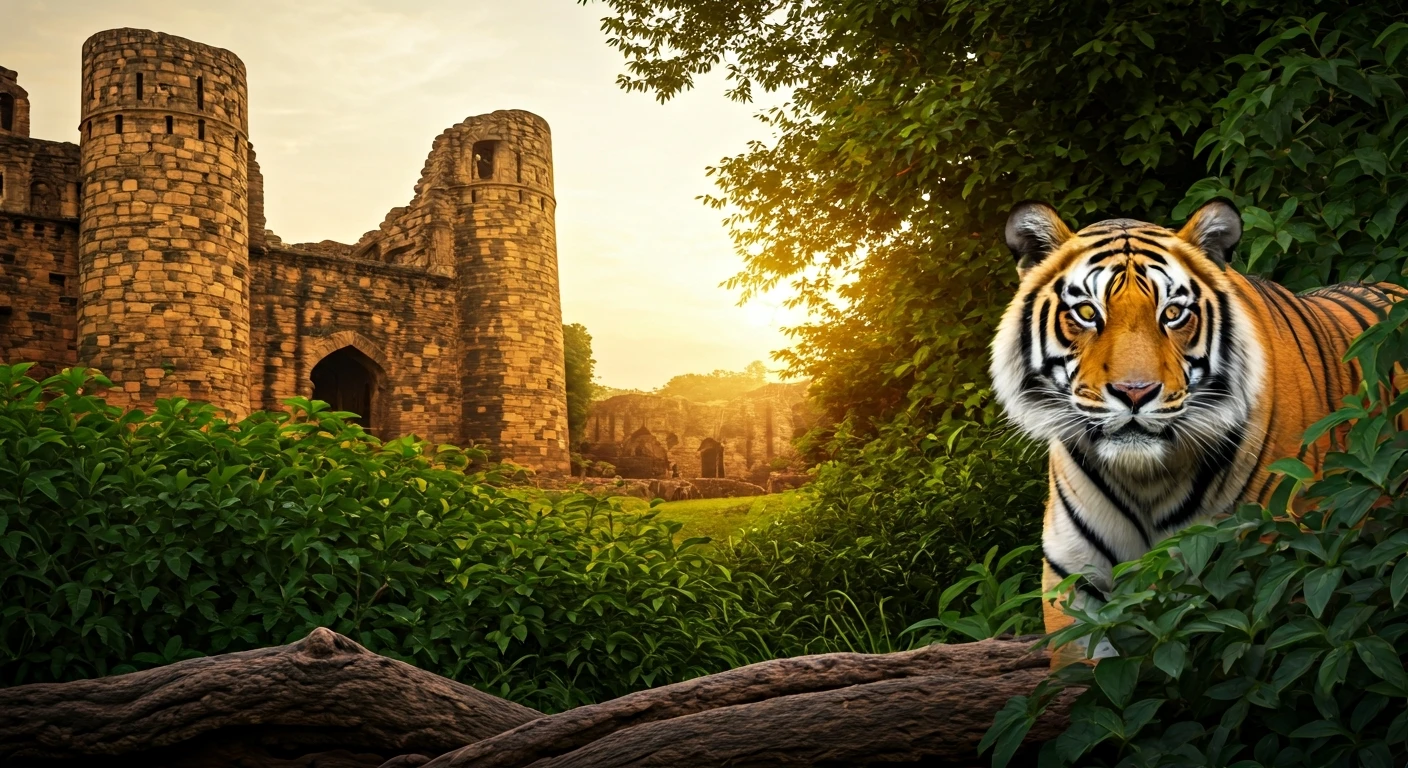
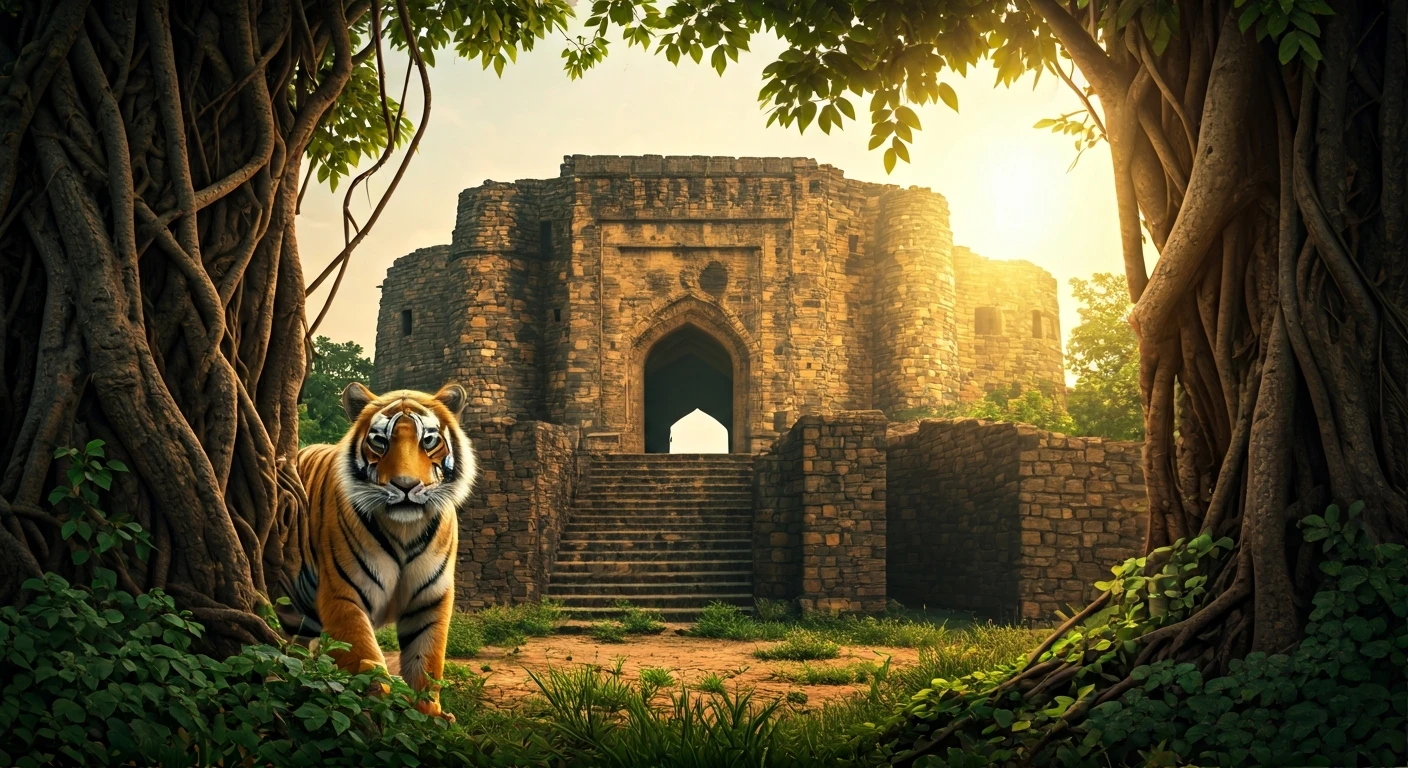
Let’s start with the headliner. While Africa has lions, Rajasthan has the magnificent Bengal tiger. Ranthambore National Park is the epicenter of this experience, a former royal hunting ground where crumbling forts and ancient temples dot a landscape
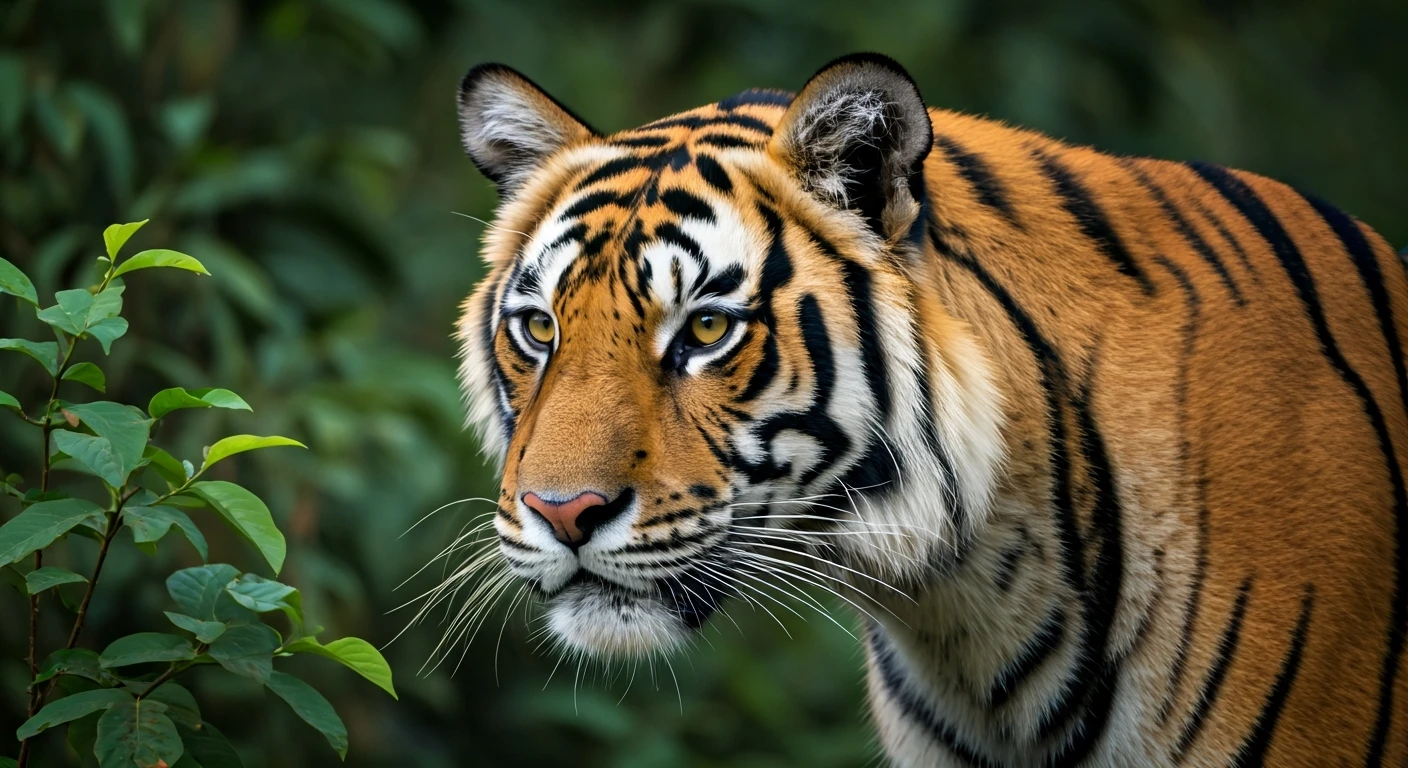
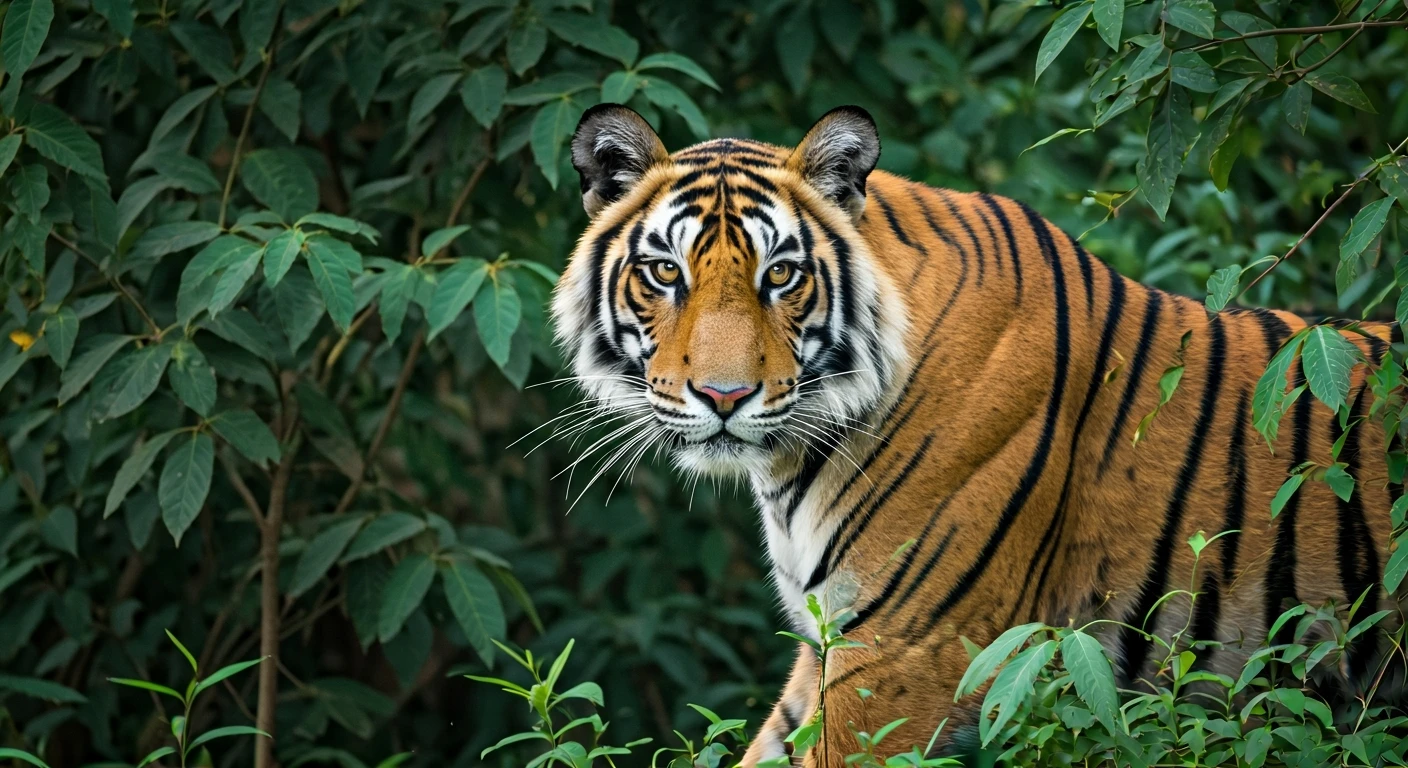
stalked by these apex predators. Tracking a tiger here is a completely different game. Instead of scanning an open plain, you’re navigating dusty tracks through dense forest and rocky outcrops, listening for the alarm calls of deer and monkeys. The moment a 500-pound cat with amber eyes emerges from the foliage against the backdrop of a 10th-century fortress is a travel memory that’s hard to beat. It’s a theatrical, almost mystical, wildlife encounter that feels worlds away from the Serengeti.
Beyond the Tiger: Jawai's Leopards
Seasoned safari-goers know that a destination needs depth beyond a single star species. Rajasthan delivers. Head to the Jawai region, and you enter a surreal landscape of giant granite boulders that look like they were scattered by gods. This is leopard country. The density of leopards in Jawai is remarkable, and they’ve formed a unique, almost symbiotic relationship with the local Rabari herdsmen who live alongside them. Sightings are frequent and often spectacular, with the cats lounging on sun-warmed rocks. It’s a conservation story in action and offers a predator-focused experience that rivals the leopard hunts of South Africa’s Sabi Sands, but with a uniquely Indian spiritual and cultural context.
Culture and Wildlife in One Frame
This is perhaps Rajasthan’s biggest trump card. An African safari is often a bubble of wilderness, disconnected from cultural hubs. In Rajasthan, the two are inseparable. Your morning game drive can be followed by an afternoon exploring Jaipur's 'Pink City' markets, visiting Jodhpur's colossal Mehrangarh Fort, or witnessing a ceremony on the ghats of a sacred lake. The journey between parks isn’t just a transfer; it’s a living museum of color, history, and humanity. You can see a sloth bear in the morning and a turban-tying demonstration in the evening. This fusion of world-class wildlife with one of the world's most ancient and vibrant cultures offers a richness and variety that a pure-wilderness trip can’t match.
The Palace-as-Lodge Experience
Luxury safari lodges in Africa are legendary, but Rajasthan offers a different flavor of opulence steeped in history. Forget a five-star tent; here, you can stay in a literal palace. Many of the region's heritage properties—former homes of maharajas and noble families—have been converted into breathtaking hotels. Brands like SUJÁN and Taj Safaris have perfected the art of the luxury wilderness camp, but it’s the ability to sleep in a fortress-hotel like Alila Fort Bishangarh or a lakeside palace in Udaipur that elevates the entire trip. You’re not just a tourist; you’re living, for a moment, inside the pages of Indian history. The service, food, and atmosphere provide a level of regal indulgence that feels uniquely Rajasthani.
A Different Pace and Perspective
While Ranthambore can be busy, many of Rajasthan's wildlife experiences feel more intimate and less commercialized than the most crowded parks in eastern or southern Africa. The focus is often on a holistic journey rather than just ticking off a checklist of sightings. The birdlife is phenomenal, with over 500 species in some areas. You might find yourself tracking a rare caracal or an Indian wolf, expanding your wildlife horizons beyond the big cats. For travelers who have 'done' Africa multiple times, Rajasthan isn't a replacement. It's the compelling next chapter—a destination that challenges their skills, broadens their perspective, and delivers a profound sense of place that lingers long after they've returned home.