







The Backlash to Extreme Fitness
For years, the fitness world was dominated by a “no pain, no gain” ethos. High-intensity interval training (HIIT), punishing bootcamps, and elite studio classes were seen as the gold standard for getting in shape. While effective for some, this culture
alienated many, creating a high barrier to entry and fostering a sense of failure for those who couldn't keep up. The walking challenge boom is, in part, a direct and gentle rebellion against this. Walking is profoundly accessible. It requires no special equipment, no expensive membership, and no advanced athletic ability. It represents a pivot toward what experts call “low-intensity steady-state” (LISS) cardio, which prioritizes consistency and sustainability over short bursts of extreme effort. It’s a democratizing force in wellness, reminding people that meaningful movement doesn’t have to leave you breathless and sore.
Technology Made It Simple and Social
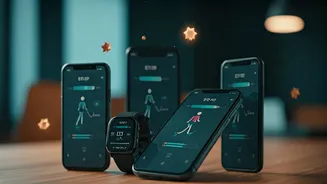
The single biggest catalyst for the walking boom is the device in your pocket or on your wrist. Smartphones with built-in accelerometers, along with wearables like the Apple Watch and Fitbit, turned a simple activity into a measurable, gamified experience. Suddenly, every step could be counted, tracked, and benchmarked. Apps like Strava, Pacer, and Charity Miles layered social features on top of this data, allowing users to form groups, create leaderboards, and cheer each other on. This technological layer transformed a solitary activity into a connected one. It provides the dopamine hit of closing a ring or hitting a daily goal, turning a walk around the block into a small victory. The tech isn't just a tracker; it's a motivator and a community hub.
Community Without the Competition
While leaderboards exist, the spirit of most walking challenges is collaborative rather than cutthroat. They offer what many people crave: accountability and community without the intense pressure of a team sport or a competitive race. Joining a challenge with coworkers, family, or online friends creates a shared goal and a sense of collective purpose. It’s a low-stakes way to connect. You can encourage a friend who had a low-step day without judgment or celebrate a coworker who hit a new personal best. This dynamic fosters positive reinforcement and makes the habit stick. In an increasingly isolated digital world, a shared walking goal can be a powerful, simple way to feel like part of a team.
The Post-Pandemic Mental Health Focus
The COVID-19 pandemic fundamentally shifted our collective relationship with exercise. Confined to our homes, a simple walk became a sanctioned escape—a moment of peace, fresh air, and quiet reflection. This period elevated the mental health benefits of movement to equal footing with the physical ones. Research has long shown that walking can reduce symptoms of anxiety and depression, boost mood, and improve cognitive function. As society emerged from lockdowns, that lesson stuck. People now actively seek out activities that soothe the nervous system rather than jolt it. The rhythmic, meditative nature of walking fits perfectly into this new wellness paradigm, which values stress reduction and mental clarity just as much as cardiovascular health.
Corporate America Is All In
Businesses have embraced walking challenges as a cornerstone of their corporate wellness programs. For companies, it’s a perfect solution: it’s inclusive, low-cost, and incredibly easy to implement. Unlike subsidizing gym memberships that only a fraction of employees use, a walking challenge can engage a broad swath of the workforce, from frontline workers to C-suite executives. It promotes team-building across departments and encourages employees to take much-needed breaks during the workday. By sponsoring challenges and offering small incentives—like gift cards, extra PTO, or charitable donations—companies can boost morale and employee health with a relatively small investment, leading to a healthier, more connected, and more productive workforce.