







What Exactly Is a Rain Lily?
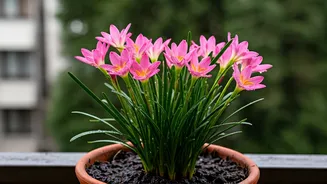
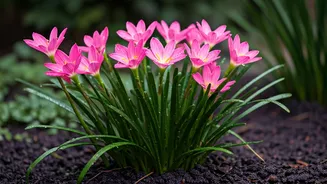
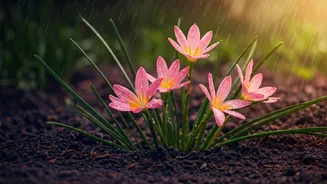
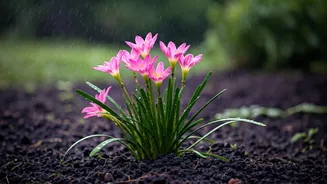
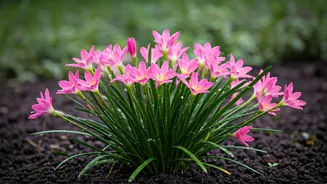
Rain lilies, known botanically as *Zephyranthes*, are small, unassuming bulb plants that pack a delightful secret. For much of the season, they present as clumps of grassy, chive-like foliage—pleasant, but not exactly a showstopper. Native to warmer regions
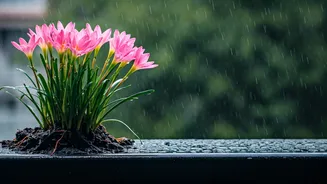
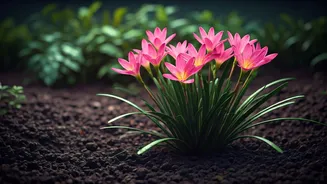
of the Americas, these plants have a unique evolutionary trigger. They don’t follow a strict calendar for their performance. Instead, they wait for a specific cue: a heavy rainfall after a dry period. When this happens, they burst forth with delicate, crocus-like flowers in shades of white, pink, or sunny yellow. This sudden, almost magical appearance is what earns them their name and their reputation as nature’s beautiful surprise.
Why They’re Perfect for Balconies
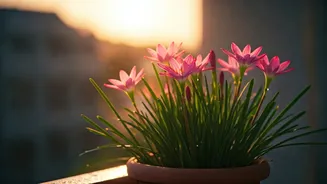
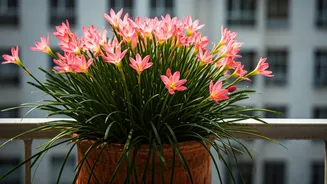
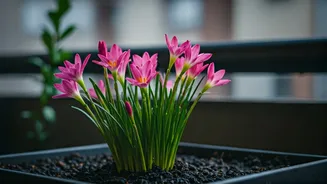
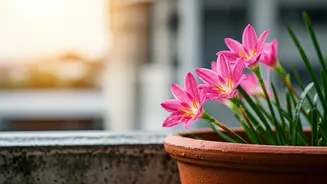
While many plants struggle to adapt to the confines of a pot, rain lilies thrive. Their compact size and shallow root system make them ideal candidates for container gardening. You don’t need a sprawling yard to enjoy them; a simple 8-inch pot on a sunny balcony railing or fire escape is a perfect home. Because they are relatively drought-tolerant for much of their cycle, they are forgiving plants for busy people or forgetful waterers. Their grassy foliage provides a consistent touch of green, and when they do bloom, the flowers rise on slender stems, creating an elegant display that feels far grander than the small space they occupy. They offer maximum reward for minimal real estate, a key metric for any balcony gardener.
Planting Is Simple
Getting started with rain lilies is refreshingly easy. You’ll typically buy them as small, onion-like bulbs in spring or fall. Find a pot with good drainage holes—this is non-negotiable, as they hate soggy feet. Fill it with a standard, well-draining potting mix; you can add a little sand or perlite to improve drainage if your mix is heavy. Plant the bulbs about one inch deep and two to three inches apart, with the pointed end facing up. You can cluster them for a fuller look. Place the pot in a location that receives at least six hours of direct sunlight. Give them an initial watering to settle the soil, and then you wait.
The Art of the 'Surprise' Bloom
Here’s the secret to unlocking their magic. After the initial planting, allow the soil to dry out. Rain lilies bloom best when they experience a cycle of dry and wet. Let them sit through a dry spell for a couple of weeks. Then, you can either wait for a summer thunderstorm or mimic one yourself. Give the pot a deep, thorough soaking, fully saturating the soil. Within a few days to a week, you should see slender buds emerging from the foliage, quickly followed by a flush of star-shaped blossoms. This is the “surprise” you’ve been waiting for. You can repeat this process every few weeks throughout the summer to encourage successive waves of flowers.
A Quick Word of Caution
While rain lilies are a joy to behold, it’s important to handle them with care, as all parts of the plant, especially the bulbs, are toxic if ingested. This is a common trait among many popular bulb plants, including daffodils and tulips. If you have curious pets that like to dig or small children, be sure to place the pots out of reach or supervise them closely. The toxicity is a defense mechanism for the plant and generally poses no risk unless the bulbs are actually eaten. With this simple precaution in mind, they can be a safe and wonderful addition to your outdoor space.