



An Unlivable Heat
For weeks on end, vast swaths of northern India have been trapped under a staggering 'heat dome,' a weather phenomenon that locks in extreme temperatures. In cities like New Delhi, home to over 20 million people, the mercury has consistently soared past
110°F (43°C), with some areas touching a brutal 125°F (52°C). This isn't just uncomfortable; it's dangerous. Power grids strain under the demand from millions of air conditioners, leading to blackouts that leave people defenseless. Water sources dwindle. For those who can afford it, staying put is no longer an option. The collective mood has shifted from enduring the heat to fleeing it, creating a new, predictable pattern of seasonal climate migration.
The Great Escape to the Himalayas
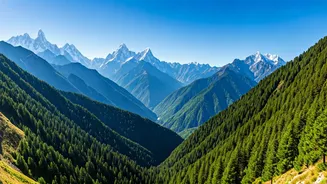
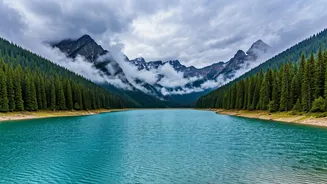
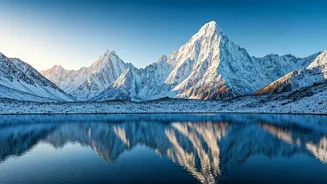
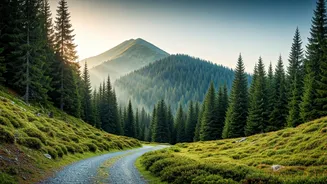
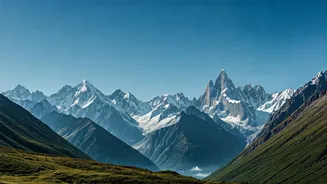
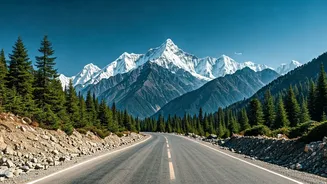
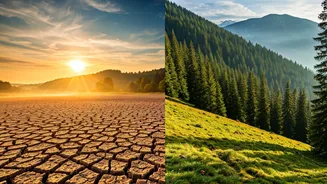
The beneficiaries of this urban misery are the Himalayan hill stations. Colonial-era retreats like Shimla, Mussoorie, and Nainital, along with destinations in Kashmir and Himachal Pradesh, are experiencing an unprecedented tourism boom. Travel portals in India have reported a 40-60% surge in bookings for mountain destinations compared to previous years. Flights into regional airports are full, and hotels are sold out weeks in advance. It's a simple, primal calculation: when your city feels like a furnace, the promise of 75°F (24°C) weather and pine-scented air becomes an irresistible siren call. Families pack their cars, hop on overnight buses, and endure long journeys, all for a few days or weeks of relief from the oppressive heat wave that has paralyzed life on the plains.
A Paradise Under Pressure
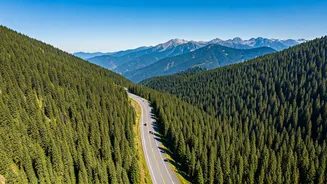
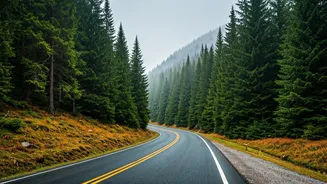
This desperate flight for comfort comes at a steep price for the destinations themselves. The narrow, winding roads leading into the mountains have become scenes of epic traffic jams, with cars backed up for miles. What should be a serene escape begins with a frustrating, exhaust-filled crawl. Once there, the strain on local infrastructure is immense. These small towns, designed for much smaller populations, are running out of water as their resources are stretched thin by the tourist influx. Waste management systems are overwhelmed, with garbage piling up in once-pristine natural areas. Local residents find themselves priced out of their own communities as demand sends the cost of everything from lodging to groceries skyrocketing. The very peace that travelers seek is being eroded by the sheer volume of people seeking it.
A Glimpse of Our Climate Future
What's happening in India is more than just a travel trend; it's a real-time case study in climate adaptation. As extreme weather events become more frequent and intense globally, we will likely see more of this spontaneous, large-scale movement. Wealthier populations will increasingly use their resources to temporarily relocate away from climate-related threats like heat, fires, or floods. This creates a new dynamic of 'climate gentrification,' where desirable, safer locations become overwhelmed and unaffordable. The annual exodus to the Indian Himalayas is a stark preview of the complex social and environmental challenges that arise when a place of refuge becomes a victim of its own appeal, raising urgent questions about sustainable tourism and equitable access to safe environments in a rapidly warming world.