






Meet the Climate Hotspots
Mention southern India, and you might picture serene backwaters, ancient temples, and pristine island beaches. This is the home of Kerala, a state on the southwestern Malabar Coast often called “God’s Own Country”; Tamil Nadu, its neighbor to the east,
a powerhouse of industry and culture; and Lakshadweep, a remote archipelago of 36 coral islands in the Arabian Sea. For centuries, life here has moved to the rhythm of the monsoons. But that rhythm is breaking. These three distinct regions have become front-line laboratories for the impacts of a warming planet, where once-predictable weather has turned volatile and dangerous.
Kerala: When the Monsoon Breaks Bad
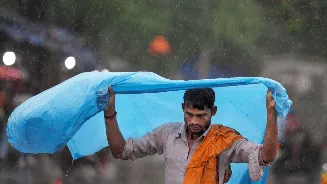
The monsoon has always been the lifeblood of Kerala, replenishing its rivers and nourishing its spice plantations. But in recent years, this life-giver has become a destroyer. Instead of a steady, season-long drizzle, the state is increasingly experiencing frighteningly intense bursts of rain in short periods. The catastrophic floods of 2018, the worst in a century, were a wake-up call, displacing over a million people. Scientists point to warmer Arabian Sea temperatures, which allow the atmosphere to hold more moisture, effectively supercharging the monsoon clouds. This new pattern—long dry spells punctuated by devastating deluges—causes landslides, flash floods, and widespread agricultural damage, turning a predictable weather system into a recurring, high-stakes emergency.
Tamil Nadu: In the Cyclone Corridor
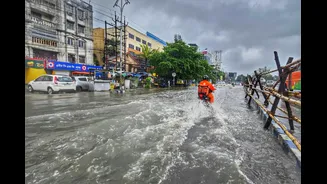
While Kerala battles the Arabian Sea’s altered moods, Tamil Nadu faces the fury of the Bay of Bengal. This body of water is a notorious cyclone incubator, and Tamil Nadu's long coastline, home to major cities like Chennai, lies directly in the path. Climate change is increasing the intensity and frequency of these storms. Cyclones that might have been manageable a generation ago now arrive stronger and wetter, dumping record-breaking rainfall on urban centers ill-equipped to handle the runoff. The result is severe flooding that paralyzes cities, contaminates water supplies, and inflicts massive economic damage. For Tamil Nadu, preparing for the weather is no longer just about the monsoon; it’s about bracing for the next super-storm.
Lakshadweep: The Sinking Paradise
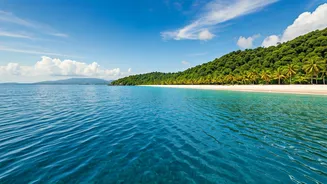
Perhaps nowhere is the threat more existential than in Lakshadweep. This stunning, low-lying chain of coral atolls is a paradise living on borrowed time. With an average elevation of just four feet above sea level, the islands are acutely vulnerable to sea-level rise. Coastal erosion is already visibly shrinking the land, with saltwater intrusion contaminating the freshwater sources that residents depend on. Warmer ocean temperatures are also triggering mass coral bleaching events, destroying the very reefs that protect the islands from storm surges and support the local fishing economy. For the people of Lakshadweep, climate change isn't a distant threat; it's a slow-motion crisis that threatens to wipe their homeland off the map within decades.