







What Is Ashwagandha, Anyway?
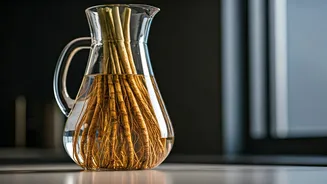
Before you start stirring mysterious powders into your morning latte, let’s get acquainted. Ashwagandha (Withania somnifera) is an evergreen shrub native to parts of India, the Middle East, and Africa. For thousands of years, its roots and berries have
been a cornerstone of Ayurveda, the traditional system of medicine in India. It belongs to a class of herbs known as 'adaptogens.' The theory behind adaptogens is that they help the body 'adapt' to and manage physical, chemical, and biological stressors. Instead of acting as a sedative or a stimulant, adaptogens are thought to help normalize bodily functions and strengthen systems compromised by stress. In a world saturated with burnout and anxiety, it's no wonder this ancient herb has found a new, modern following among people looking for a natural way to dial down the tension.
The Science of 'Chill'
So, does it actually work? The headline-grabbing claim is that ashwagandha can help lower cortisol, the body’s primary stress hormone. When you’re chronically stressed from looming deadlines and an overflowing inbox, your cortisol levels can remain elevated, leading to feelings of anxiety, fatigue, and poor concentration. Several small- to medium-sized human studies have explored ashwagandha's effect on stress and cortisol. The results are promising, with many participants reporting reduced feelings of stress and anxiety, and some studies showing measurable decreases in cortisol levels compared to a placebo. However, it's crucial to frame this correctly. 'Promising' does not mean 'proven,' and 'helps manage' does not mean 'cures.' Most researchers agree that larger, more robust studies are needed. Think of it less as a magic bullet and more as a potentially supportive tool in a larger stress-management arsenal.
Why Oat Milk Makes the Perfect Partner
You could mix ashwagandha into water, but where’s the joy in that? The pairing with oat milk isn't just a random trend; it’s a smart one. First, there's the taste. Ashwagandha powder has a distinct earthy, slightly bitter flavor that can be challenging on its own. The creamy, naturally sweet profile of oat milk beautifully mellows out those notes, making it far more palatable. Second, there's the ritual. Taking a few minutes to mindfully prepare a warm, frothy latte is a stress-reducing act in itself. It forces you to step away from your screen and engage your senses. Oat milk, famous for its ability to foam up into a rich, velvety microfoam, elevates the experience from a chore into a cozy, cafe-quality indulgence you can make in your own kitchen. It transforms taking a supplement into a moment of self-care.
How to Make Your Stress-Busting Latte
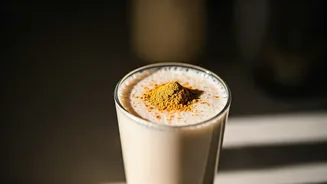
Ready to give it a try? It’s incredibly simple. Most ashwagandha comes as a fine powder. For a single serving, you’ll typically use between 1/4 to 1/2 teaspoon, but always check the packaging for the recommended dose. Start with a lower dose to see how your body reacts. Here’s a basic recipe: 1. Warm 8-10 ounces of your favorite oat milk in a small saucepan on the stove or by using a milk frother. 2. In your mug, place your dose of ashwagandha powder. You can also add a dash of cinnamon for flavor and a touch of maple syrup or honey for sweetness if you like. 3. Pour a small splash of the warm milk into the mug and whisk it vigorously with the powder to form a smooth paste. This crucial step prevents clumps. 4. Once smooth, pour in the rest of the warm milk. If you used a frother, spoon the foam on top. Enjoy immediately.
The Important Fine Print
While generally considered safe for most people in small-to-moderate doses, ashwagandha isn't for everyone. It’s not regulated by the FDA like a pharmaceutical drug, so quality and concentration can vary wildly between brands. Look for products from reputable companies that use third-party testing to verify purity and potency. Pregnant or breastfeeding women should avoid it, as should people with autoimmune conditions like rheumatoid arthritis or lupus, as the herb may stimulate the immune system. It can also interact with medications for thyroid, blood sugar, and blood pressure. As with any new supplement, the smartest move is to talk to your doctor before incorporating it into your routine, especially if you have pre-existing health conditions or are taking other medications.