




The Communal Plate of the Past
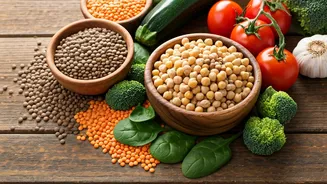
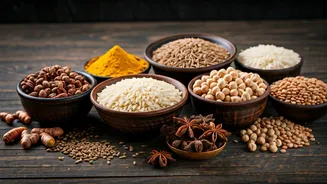
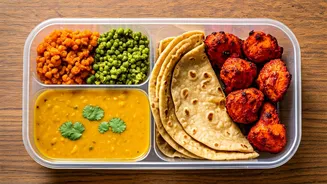
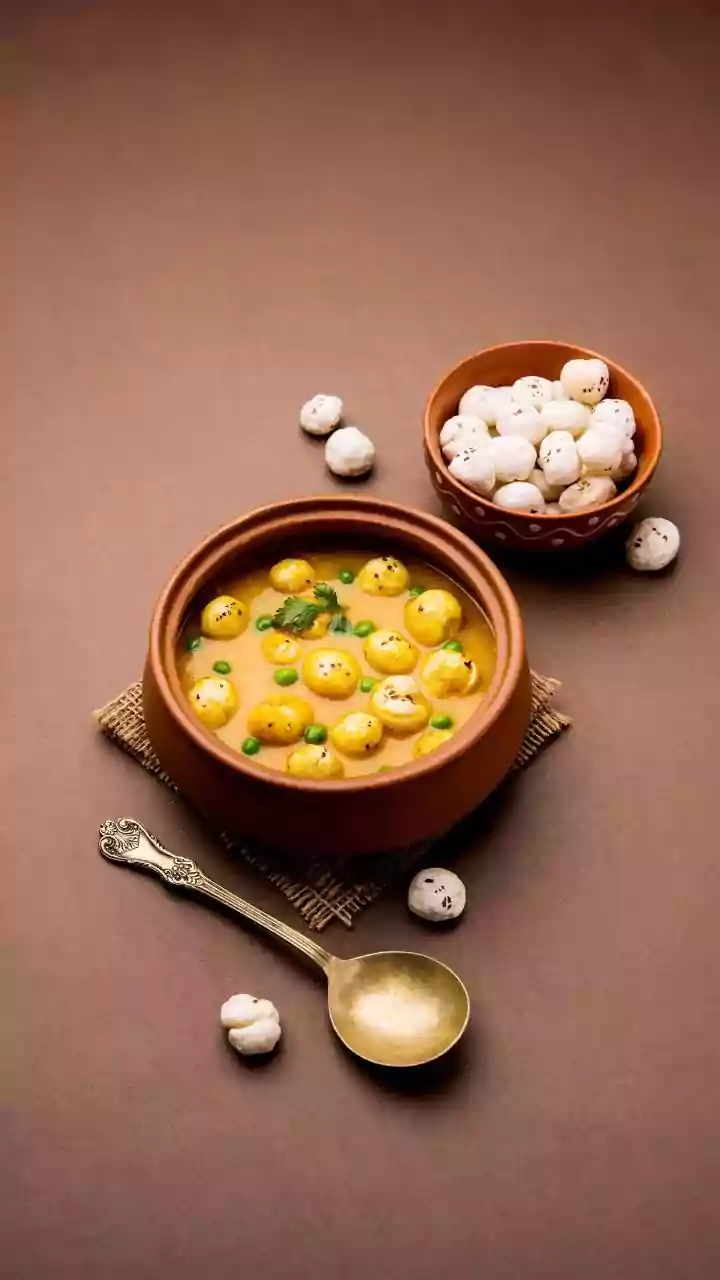
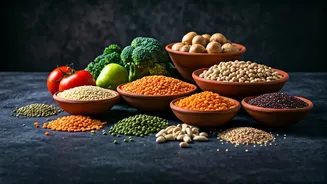
Think of a traditional Indian dinner, and you likely picture a thali or a table laden with shared bowls: fragrant dal, spiced vegetables, a rich curry, and a basket of warm roti or a mound of fluffy rice. This style of eating is deeply ingrained in the
culture. It’s about family, hospitality, and a shared experience. Historically, the diet itself, while varying immensely by region, was built on a foundation of grains, legumes, and seasonal vegetables. Ayurvedic principles might have guided food choices for wellness, but the day-to-day reality was often a 'one-size-fits-all' approach for the family. You ate what was cooked, and the idea of preparing a separate meal for one person’s specific dietary needs was often seen as impractical or even impolite. Food was, and is, a language of love, and refusing a dish could be interpreted as rejecting the affection behind it.
The Modern Health Awakening
This traditional framework is now colliding with a new wave of health consciousness, particularly within the Indian diaspora in the U.S. South Asians face disproportionately high rates of type 2 diabetes, heart disease, and other metabolic conditions. This stark reality has prompted many to critically examine the carb-heavy nature of some traditional diets. Simultaneously, global wellness trends—from keto and intermittent fasting to macro-tracking and gluten-free living—have permeated every corner of American life. For many second- and third-generation Indian Americans, the question is no longer *if* they should personalize their diet for health, but *how* to do it without abandoning their cultural identity. They grew up with the flavors of their heritage but also with the data-driven health metrics of modern fitness apps.
From 'One Size Fits All' to N=1
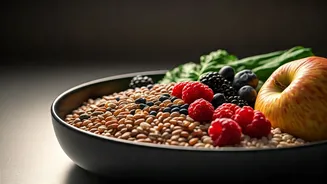
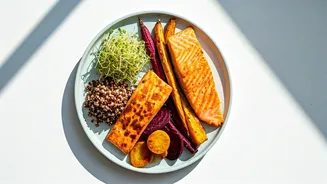
The result is a fascinating movement toward individualization. This isn't about ditching Indian food; it's about hacking it. Nutritionists and dietitians specializing in South Asian health are gaining popularity, helping clients deconstruct their favorite meals. A traditional thali might be reimagined with cauliflower rice instead of white rice, paneer cooked with more protein-focused spices, or rotis made from almond or chickpea flour. Social media is filled with influencers sharing recipes for 'keto-friendly' butter chicken or 'paleo' vegetable korma. People are using continuous glucose monitors to see how their bodies react to a helping of dal versus a samosa, making data-driven decisions that were unimaginable a generation ago. The focus is shifting from a generalized, tradition-based diet to an evidence-based, N=1 experiment, where the only person who matters is you.
Navigating the Family Dinner Table
This shift isn’t always seamless. It can create friction within families, where a refusal to eat the customary rice or sweets can be misconstrued. A simple “No, thank you, Aunty” to a lovingly offered gulab jamun can feel like a small act of rebellion. Yet, many are finding a middle ground. Instead of rejecting the meal outright, they are learning to navigate it. They might load their plate with the sabzi (vegetable dishes) and protein while taking only a small portion of the carbs. They might bring their own low-carb dessert to a family gathering or explain their goals in the context of long-term health, framing it as a proactive step rather than a rejection of tradition. These small negotiations are happening at dinner tables across the country, slowly redefining what it means to eat 'healthy' within a cultural context.