



Okra (Bhindi): The Ultimate Heat Lover
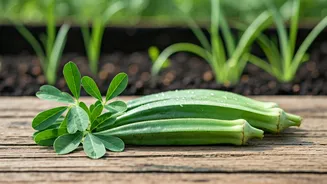
If your summer garden typically wilts under the blazing sun, okra is your new best friend. Known as bhindi in Hindi, this vegetable is a staple in Indian cuisine for a reason: it doesn't just tolerate heat; it craves it. Native to parts of Africa and
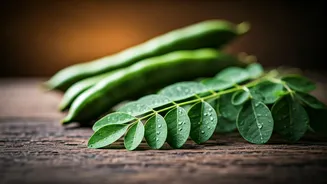
South Asia, okra thrives in conditions where lettuce and spinach have long given up. Plant seeds directly in the ground after the last frost, when soil temperatures are consistently warm. Give it a spot with at least six hours of direct sunlight, and it will reward you with a steady supply of tender pods all summer long. Its beautiful, hibiscus-like flowers are an added bonus. Okra is relatively drought-tolerant once established and suffers from few pests, making it a truly low-maintenance powerhouse for gardeners in warmer U.S. climate zones.
Bitter Melon (Karela): The Prolific Climber
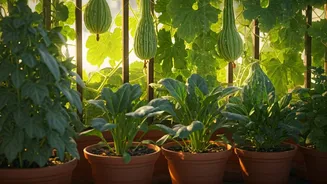
Don't let the name scare you. Bitter melon, or karela, is a fascinating and incredibly productive vine that’s a cornerstone of many regional Indian diets. Valued for its unique flavor and health properties, it’s also surprisingly easy to grow. As a vigorous climber, it’s perfect for vertical gardening—give it a trellis, fence, or arbor, and watch it take off. This saves precious ground space and helps keep the fruit off the soil, preventing rot. Bitter melon prefers a long, hot, humid growing season, making it ideal for gardeners in the South and other warm regions. It’s known for being quite pest-resistant, and its prolific nature means a few healthy plants can provide a generous harvest. For the uninitiated, the bitterness can be tamed through cooking methods, opening up a whole new world of culinary experimentation.
Amaranth Greens (Chauli): The Speedy Superfood
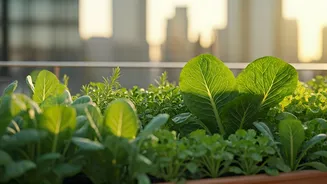
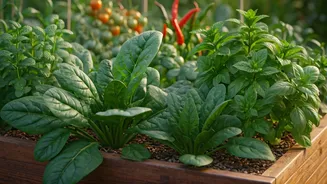
When you want fresh greens without the long wait, turn to amaranth. Known as chauli or lal saag (for the red varieties), this leafy green is prized across India for its nutritional value and rapid growth. Unlike fussy lettuces that bolt in the heat, many amaranth varieties are heat-tolerant and can be harvested in as little as 30 to 40 days. It operates on a “cut-and-come-again” basis; you can snip the leaves you need, and the plant will continue to produce more. It’s not picky about soil and grows with such vigor it can sometimes outcompete weeds. Simply scatter the tiny seeds in a sunny spot, keep them watered, and you’ll have a steady supply of tender, spinach-like leaves perfect for sautés, stir-fries, and adding to lentil dishes (dal).
Fenugreek (Methi): The Fragrant Cool-Weather Crop
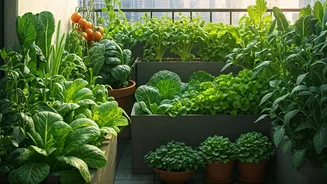
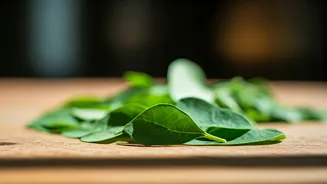
Not every hardy Indian crop is for the summer heat. Fenugreek, or methi, is a cool-season herb that’s incredibly versatile and fast-growing. Its leaves have a distinctive, slightly bitter, and aromatic flavor essential to many Indian dishes, while its seeds are a common spice. Methi is perfect for the spring and fall garden, maturing quickly before the summer heat or winter frost sets in. You can grow it for its leaves (microgreens in a week, full leaves in a month) or let it mature to harvest the seeds. It grows well in containers and garden beds alike and helps fix nitrogen in the soil, benefiting the plants that follow it. For home gardeners, it’s a simple way to add an authentic, complex flavor to your cooking with minimal effort and a very short time from seed to harvest.
Mint (Pudina): The Unstoppable Herb
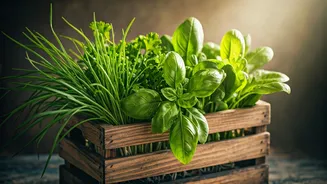
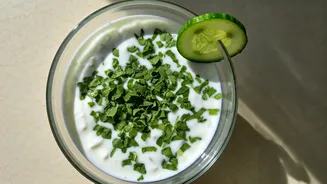
Anyone who has ever planted mint knows it’s the definition of hardy. The variety commonly used in Indian cuisine, pudina, is a vigorous spearmint that’s central to chutneys, raitas, and cooling summer drinks. It’s almost foolproof to grow. In fact, the biggest challenge with mint is not growing it, but containing it. Its runners will happily take over an entire garden bed if you let them. The solution is simple: plant it in a container. A pot on a sunny patio or windowsill will provide you with all the fresh mint you could ever need. It tolerates a wide range of conditions, from full sun to partial shade, and bounces back quickly after harvesting. For a truly effortless herb, mint is an absolute must-have.