





The Grind-and-Hustle Hangover
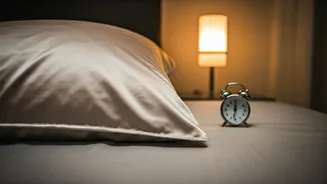
Remember the era of #RiseAndGrind? For much of the 2010s, the dominant 'discipline aesthetic' was one of performative suffering. It was fueled by a belief that success required relentless, back-breaking effort. The ideal was a human machine, optimized
for maximum output, who slept four hours and celebrated burnout as a badge of honor. This philosophy glorified willpower as the ultimate virtue. If you weren't succeeding, the logic went, you simply weren't trying hard enough. Social media feeds were filled with aspirational quotes about outworking the competition and motivational speakers yelling about unlocking your potential through sheer force of will. But this approach has a critical flaw: willpower is a finite resource. Just like a muscle, it gets tired. The inevitable result for many was exhaustion, cynicism, and the realization that hustling harder isn't always the answer.
Enter the 'Smart' Routine
The new ideal isn't about more effort; it's about better-designed effort. A 'smart' routine is a system built around your personal energy levels, goals, and psychology, designed to make desired behaviors as frictionless as possible. It’s less about a rigid, one-size-fits-all schedule and more about creating a supportive structure for your life. Instead of forcing yourself to wake up at 5 a.m. to meditate when you’re a natural night owl, a smart routine might involve 10 minutes of mindfulness during your lunch break, when your brain actually needs the reset. It prioritizes habit-stacking—tacking a new habit onto an existing one, like doing five minutes of stretching right after you brush your teeth—and designing your environment for success, like putting your running shoes by the door. The goal isn't to conquer your day with an iron fist, but to gently guide yourself toward better choices with intelligent design.
From Willpower to Automated Systems
The fundamental shift is a move away from relying on in-the-moment motivation and toward building automated systems that run on autopilot. This is the core idea behind bestsellers like James Clear’s “Atomic Habits.” He argues that the most successful people don't have more willpower; they simply build better systems that remove the need for it. The old discipline aesthetic was about winning a daily battle against yourself. The smart routine is about redesigning the battlefield so the fight is rarely necessary. Think of it like this: the old discipline is manually pushing a boulder up a hill every single day. A smart routine is taking the time to build a pulley system. It requires some initial thought and setup, but once it’s in place, the daily effort is minimal. This approach acknowledges human nature—we are creatures of habit who follow the path of least resistance. Instead of fighting that tendency, smart routines harness it.
The New Look of Productivity
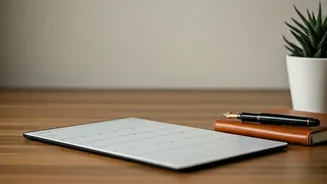
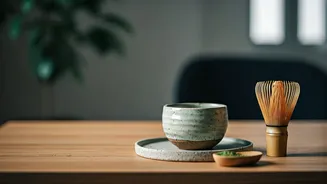
This internal shift has, of course, created a new external aesthetic. The imagery associated with smart routines is softer, calmer, and more curated. The aggressive gym selfies and screenshots of 4 a.m. emails are being replaced by serene videos of journaling with a morning coffee, a neatly organized desk space, or the quiet satisfaction of a 'reset routine' after a long week. This new look, popular on platforms like TikTok and Instagram, is less about celebrating the pain of the process and more about romanticizing the peaceful outcome. The aesthetic is one of intentionality and well-being. It’s the matcha latte, the sunlit workspace, and the color-coded digital planner. While it can still create aspirational pressure, its focus is on sustainability and mindfulness rather than exhaustion and sacrifice. It frames productivity not as a war, but as an act of self-care.