


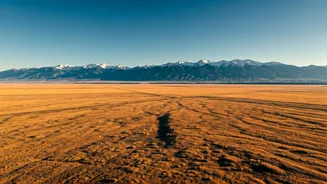
Great Sand Dunes, Colorado: The Alpine Desert
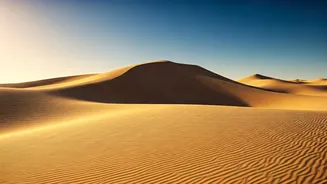
Forget what you know about Colorado being just ski slopes and green forests. Tucked against the dramatic Sangre de Cristo Mountains is Great Sand Dunes National Park and Preserve, home to the tallest sand dunes in North America. With sand deposits reaching
up to 750 feet high, this landscape feels more like the Sahara than the Rockies. The park's secret weapon for rain-haters is its high-altitude desert climate. It receives very little rainfall, ensuring that your primary concern will be applying sunscreen, not finding an umbrella. The best time to visit is late spring, when the seasonal Medano Creek flows at the base of the dunes, creating a surreal beach scene miles from any ocean. You can rent a sandboard or sand sled in nearby Alamosa and spend the day carving down the massive, sun-drenched slopes.
White Sands, New Mexico: The Gypsum Wonderland
Imagine a landscape of pure white, rolling hills under an endless blue sky. That’s White Sands National Park. What makes it unique isn’t just its otherworldly beauty, but its composition. These aren't silicon-based sand grains; they're fine gypsum crystals. This means the 'sand' doesn't absorb the sun's heat like regular sand, so you can walk on it barefoot even on a hot day. Located in New Mexico's Tularosa Basin, the park is part of the Chihuahuan Desert, one of the driest regions in the country. Rain is a rare and fleeting event here. The most popular activity is grabbing a waxed plastic sled from the visitor center gift shop and rocketing down the powdery white slopes. The experience is like sledding on snow, but without the cold, wet side effects. Stick around for sunset, when the white dunes reflect the sky in breathtaking shades of pink and orange.
Mesquite Flat, Death Valley: The Movie Star
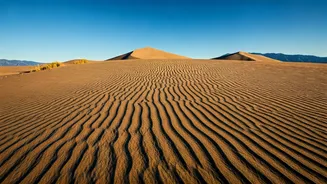
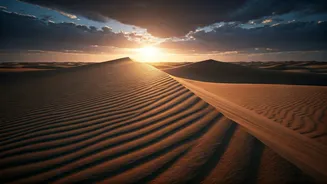
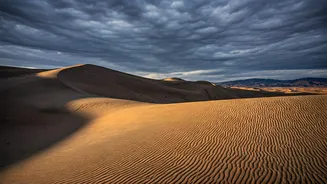
If you want the most classic, cinematic sand dune experience, head to Mesquite Flat in Death Valley National Park. These are the dunes of movie magic, famous for their appearance in films like Star Wars. With graceful, curving ridgelines and rippled surfaces, they are a photographer’s dream. And as for rain? You’re in Death Valley, the hottest and driest place in North America. The average annual rainfall is a mere 2 inches. You’re more likely to see a mirage than a cloudburst. The key to enjoying Mesquite Flat is timing. The extreme daytime heat in summer makes sunrise and sunset the ideal times to explore. Watching the first or last rays of light cast long, dramatic shadows across the dunes is an unforgettable experience. The isolation and lack of light pollution also make it one of the best places in the U.S. for stargazing.
Imperial Sand Dunes, California: The Off-Road Kingdom
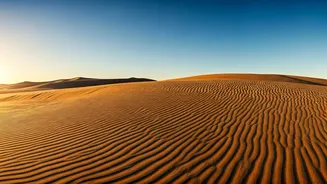
For those who prefer their adventures with a bit more horsepower, the Imperial Sand Dunes Recreation Area—also known as the Algodones Dunes—is the undisputed king. Stretching for more than 40 miles along the border of California and Arizona, this is the largest expanse of sand dunes in the state and a world-renowned destination for off-highway vehicle (OHV) enthusiasts. Here, the roar of dune buggies and ATVs echoes across a massive sandy playground. But you don't need a motor to enjoy it; there are also designated wilderness areas perfect for quiet hiking and solitude. As part of the Sonoran Desert, the climate is relentlessly sunny and arid. Rain is so infrequent that it’s a genuine surprise when it happens. If the landscape seems familiar, it might be because scenes from *Return of the Jedi* were filmed here, making it another bucket-list stop for sci-fi fans seeking a dry, desert adventure.