



Meet the Hill Stations
Forget what you think you know about the Indian climate. High in the Western Ghats, a mountain range older than the Himalayas, sit Ooty and Kodaikanal. These aren't just towns; they're “hill stations,” a concept born from a uniquely colonial need. During
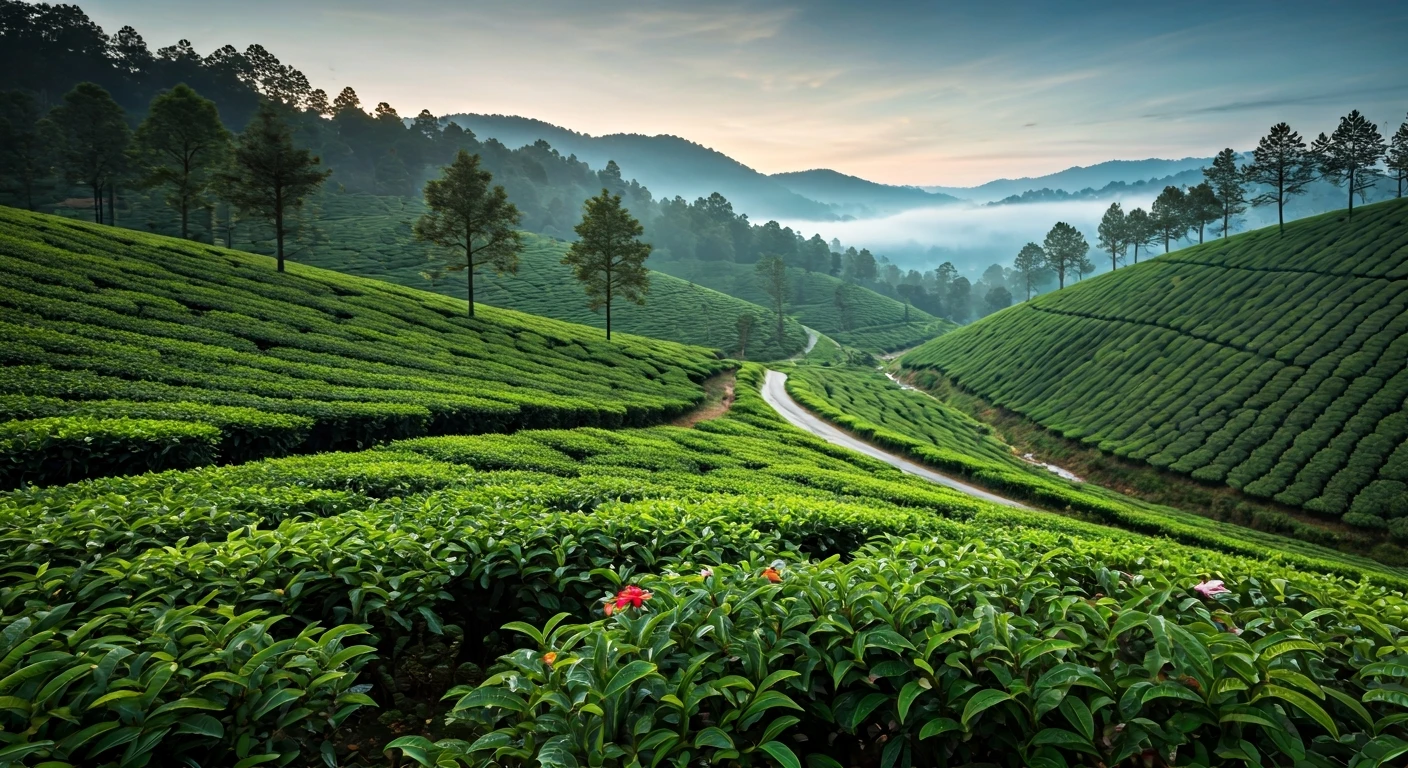
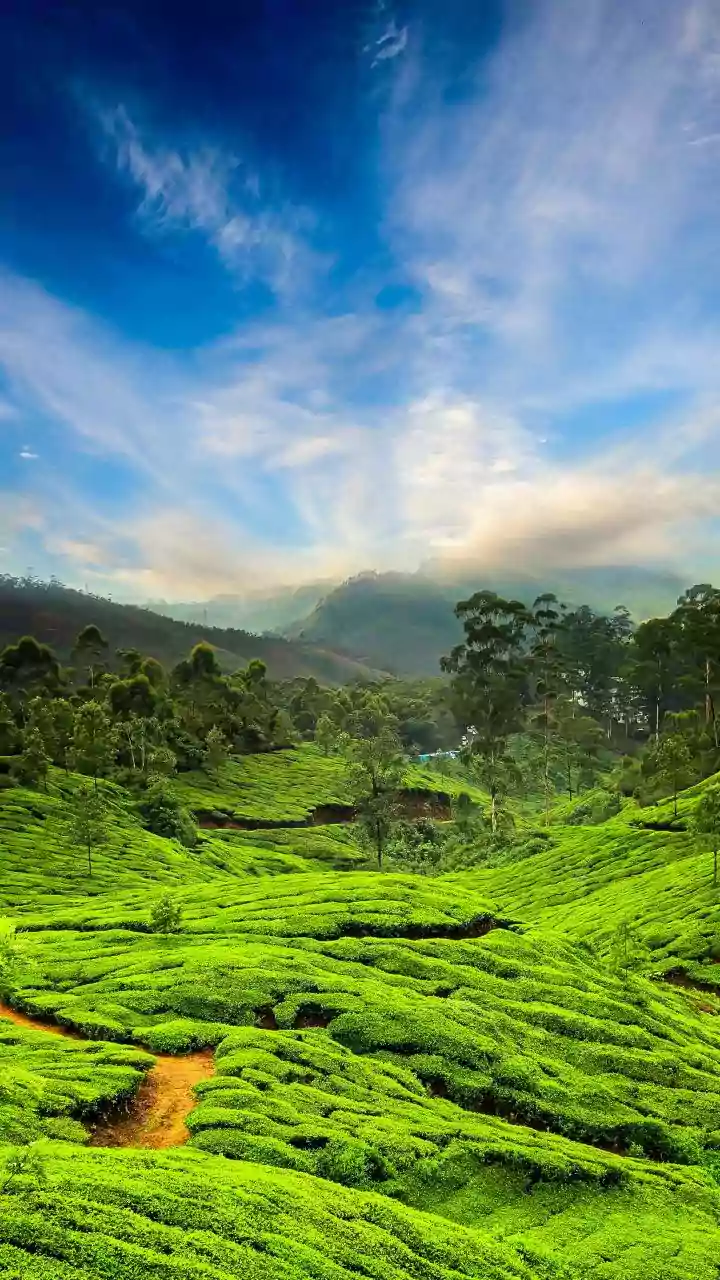
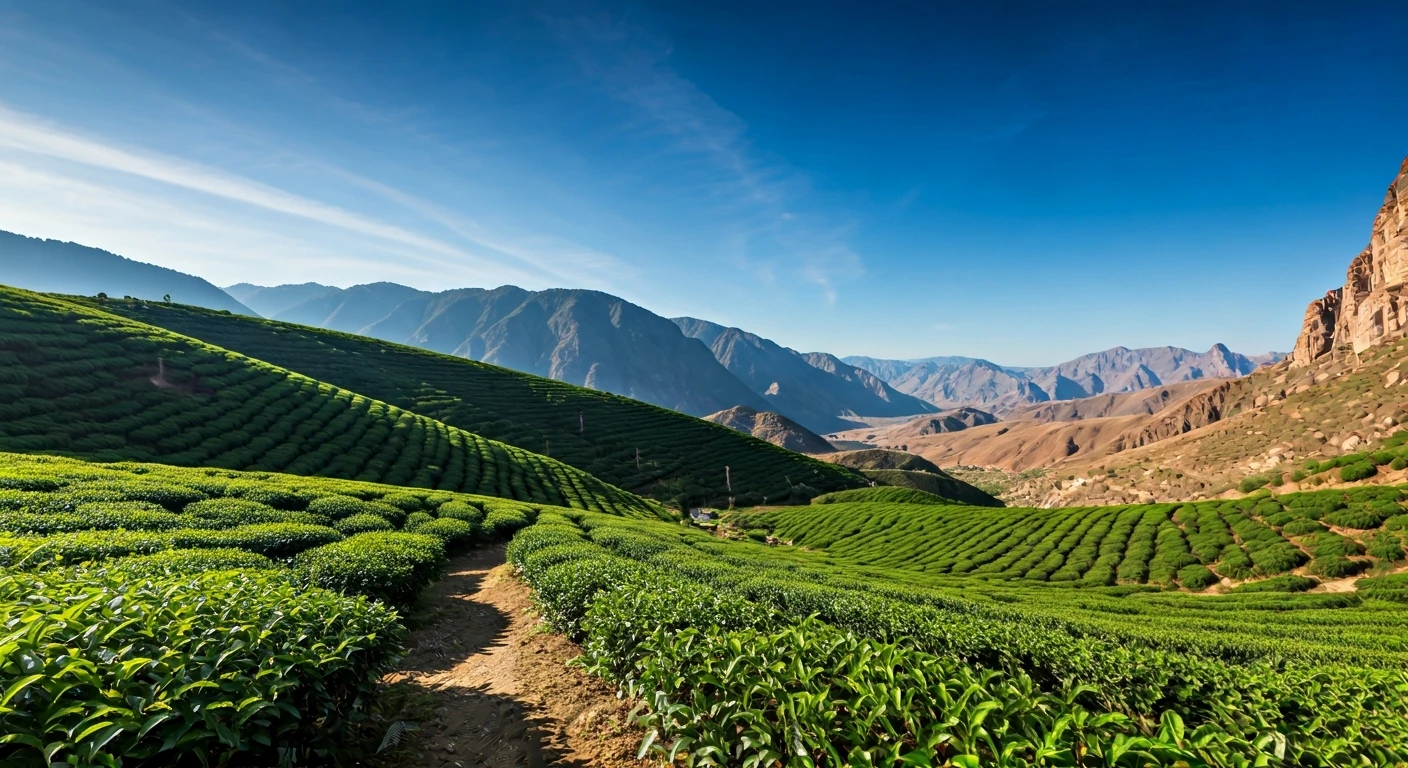
the 19th century, British officials sought refuge from the scorching summer heat of the plains. They found it in the cool, misty altitudes of places like these, building towns that mimicked the English countryside with stone cottages, manicured gardens, and golf courses. Today, that legacy has been reclaimed and transformed into beloved domestic vacation spots for Indians. And for American travelers looking for an unexpected detour, they offer a fascinating glimpse into another side of the subcontinent—one filled with eucalyptus-scented air, rolling tea plantations, and homemade chocolate.
The Queen of the Hills: Ooty
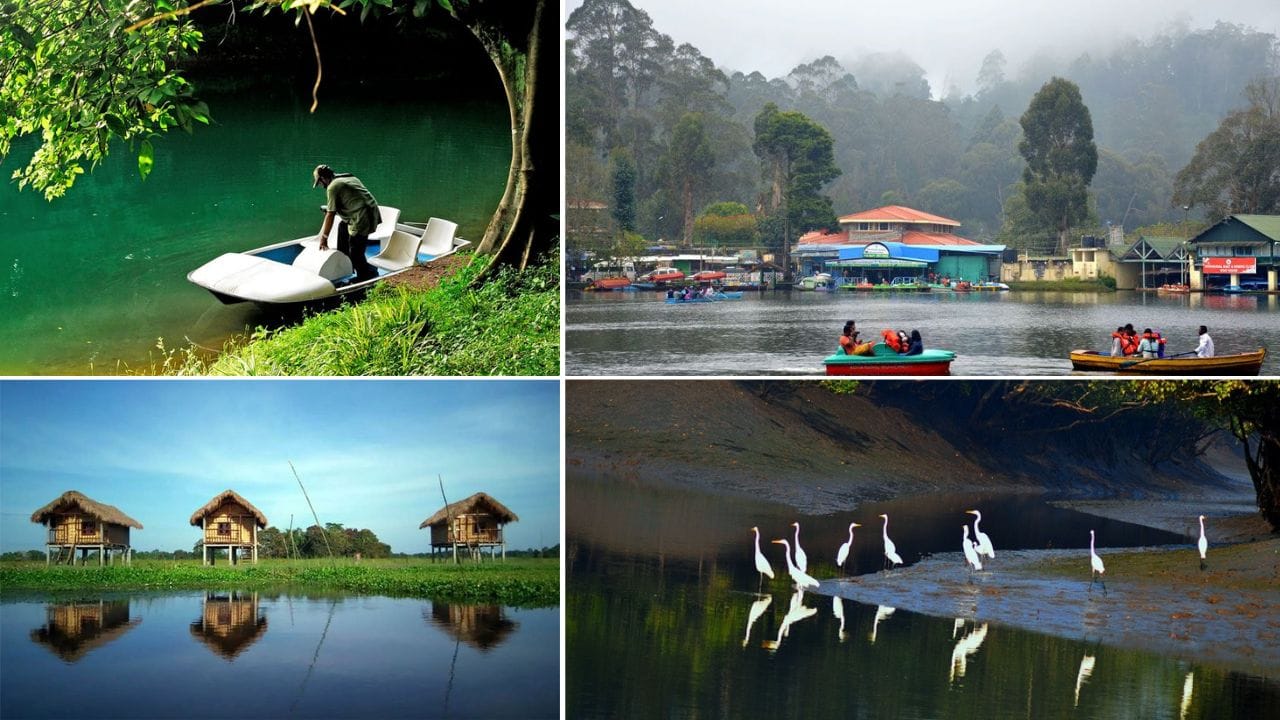
Officially named Udhagamandalam, Ooty is the more famous and bustling of the two, often called the “Queen of the Hill Stations.” Its celebrity comes from its dramatic landscapes and deep-rooted colonial infrastructure. The star attraction is the Nilgiri Mountain Railway, a UNESCO World Heritage Site. This bright blue “toy train” chugs its way up impossibly steep gradients, through 16 tunnels and over 250 bridges, offering breathtaking views of the surrounding hills. Once in Ooty, the 55-acre Government Botanical Gardens are a testament to its British origins, while the glassy expanse of Ooty Lake is perfect for a leisurely boat ride. Because it’s more developed, Ooty offers a wider range of hotels and restaurants, but it also draws bigger crowds, especially during the peak summer months from April to June.
The Princess of the Hills: Kodaikanal
If Ooty is the Queen, Kodaikanal (or “Kodai”) is the quieter, more contemplative “Princess.” Tucked away in the Palani Hills, Kodai is centered around a man-made, star-shaped lake. Life here moves at a slower pace. The main activities are long walks, cycling around the lake, and hiking through fragrant pine forests. Coaker’s Walk, a paved pedestrian path, offers stunning panoramic views of the plains below, especially on a clear day. Kodaikanal is also known for its local curiosities, like the rare Kurinji flower which blooms only once every 12 years, carpeting the hillsides in purple. It feels less like a resort town and more like a genuine mountain retreat, attracting nature lovers, hikers, and those looking to unplug from the world for a while.
Ooty vs. Kodaikanal: How to Choose
So, which one is right for you? It depends on your travel style. Choose Ooty if you love a bit of nostalgic grandeur and a livelier atmosphere. It’s better for families and travelers who want more structured activities, like visiting the Tea Museum or riding the historic train. Its accessibility and wider range of amenities make it an easier entry point for first-time visitors to the region. Choose Kodaikanal if your ideal vacation involves quiet hikes, reading a book by a lake, and reconnecting with nature. It’s the preferred destination for couples, solo travelers, and anyone seeking serenity over sightseeing. While both have beautiful scenery, Kodai’s is often described as more pristine and untouched.
Making the Trip Happen
Getting to either hill station is part of the adventure. The nearest major airport for both is Coimbatore (CJB). From there, it’s a scenic, winding 3-to-4-hour drive up into the mountains. You can hire a car and driver, which is the most common and comfortable option. The best time to visit is from March to early June, right before the monsoon season begins, when the weather is pleasantly cool and sunny. Remember to pack layers—days can be warm, but evenings and mornings are chilly. And don't leave without trying the local specialties: the famous Ooty varkey (a crispy, flaky biscuit) and the rich, homemade chocolates found in shops all over Kodaikanal.