




1. Prioritize Native Plants
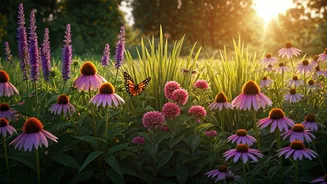
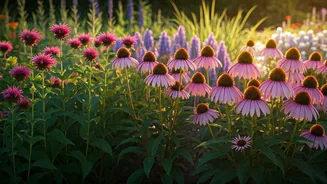
The single most effective thing any gardener can do is to plant native species. These are the plants that local bees and other pollinators have co-evolved with for thousands of years. Think of it as offering a home-cooked meal versus fast food. Native
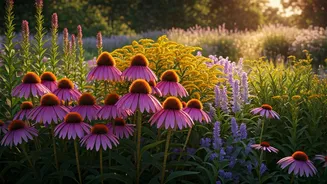
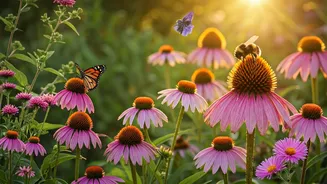
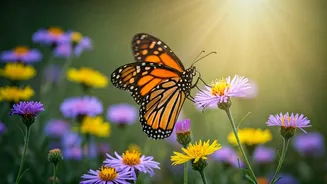
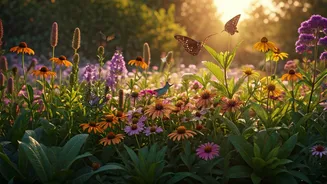
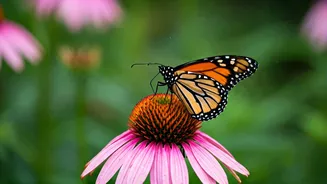
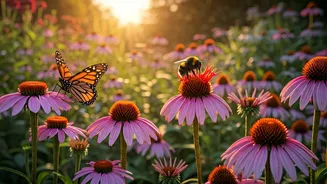
plants provide the specific, high-quality nectar and pollen that regional bees need to thrive. While a honeybee might visit any flower, many of our 4,000 native U.S. bee species are specialists that rely on specific plants. Look for regional powerhouses like coneflowers (Echinacea), bee balm (Monarda), goldenrod (Solidago), and asters. Your local nursery or a quick search for your state's native plant society can provide a list tailored to your exact zip code.
2. Plant in Clumps
Bees are efficient foragers. They prefer to visit a large patch of the same type of flower rather than darting between single, isolated blooms. When you plant in clumps or drifts—grouping at least three to five of the same plant together—you create a bold, attractive target. This floral billboard signals a reliable food source, saving bees precious energy. A large patch of lavender or a dense stand of black-eyed Susans acts as a one-stop shop, allowing them to collect more pollen and nectar with less effort, which is crucial for the health of their colony or offspring.
3. Offer a Year-Round Buffet
A bee’s work is never done, at least not from early spring to late fall. To create a true haven, you need to provide a continuous succession of blooms. Queen bumblebees emerge early in the spring, desperate for nectar after a long winter, so early bloomers like crocuses, lungwort, and native willows are critical. In the summer, the options are endless, from sunflowers to salvias. But don't forget the fall. As other food sources dwindle, late-blooming plants like asters, sedum, and goldenrod become essential fueling stations for bees preparing for winter. A garden that flowers across three seasons is a garden that truly supports the entire life cycle of its pollinators.
4. Provide Water and Shelter
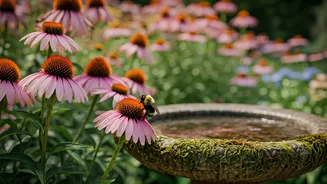
Like all living things, bees need water. But they can easily drown in deep water. A simple, safe watering station can be made by filling a shallow dish or birdbath with pebbles, marbles, or small stones and adding water until it just touches the tops of the stones. This gives bees a safe place to land and drink without risk. Beyond water, remember that 70% of native bees are ground-nesters. Leaving a small, undisturbed patch of bare, sunny soil can provide the perfect real estate for them to dig their nests. Others, like mason bees, nest in hollow stems or holes in wood. You can help by leaving dried perennial stems standing through winter or by installing a 'bee hotel'—a block of wood with drilled holes of varying sizes.
5. Ditch the Chemicals
Creating a haven means ensuring it's a safe space. Common garden pesticides, herbicides, and fungicides can be devastating to bees and other beneficial insects. Neonicotinoids, a class of systemic insecticides, are particularly harmful as they are absorbed by the entire plant, making its pollen and nectar toxic. Instead of reaching for a chemical spray, embrace integrated pest management. This can include introducing beneficial insects like ladybugs to control aphids, using physical barriers, or simply accepting that a few chewed leaves are a sign of a functioning ecosystem, not a failed garden. A healthy garden is buzzing with all kinds of life, not just perfectly manicured plants.