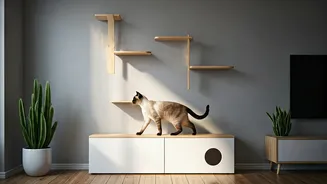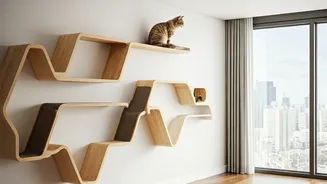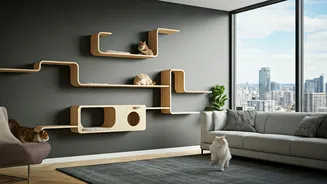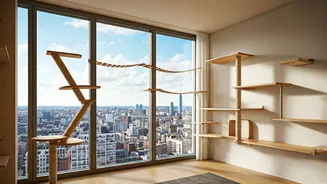








Why Cats Crave the High Ground
In the wild, a cat’s world is three-dimensional. Vertical space is crucial for both survival and status. For your domestic feline, this instinct remains powerful. From a high vantage point, a cat can survey its territory for potential threats (the vacuum
cleaner) or opportunities (an unattended snack). This taps into their predatory nature, giving them a sense of security and control. Cats are both predator and prey; being up high removes them from the “floor level” where larger, more threatening animals (or clumsy humans) might roam. By providing vertical territory, you’re not just spoiling your pet; you’re speaking their ancient language and acknowledging a fundamental part of their identity.
The Benefits of a 'Cat Superhighway'
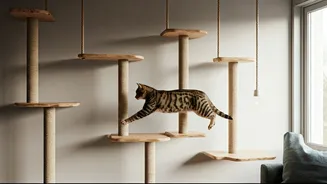
A well-designed wall path system is more than just furniture; it's an enrichment tool that can solve a surprising number of household pet problems. For one, it provides excellent exercise, encouraging jumping, climbing, and stretching, which helps maintain a healthy weight. In multi-cat households, vertical space is a peacemaking miracle. It exponentially increases the available territory, allowing cats to establish their own spots and avoid conflict. A timid cat can find a safe retreat from a more assertive housemate, reducing stress and anxiety for everyone. This “timesharing” of space prevents standoffs and gives each cat the confidence that comes with having a secure, personal perch.
Planning Your Feline Layout
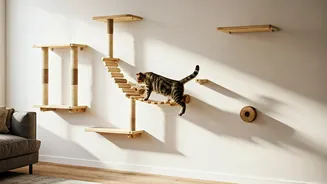
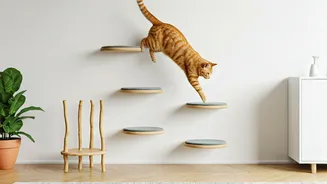
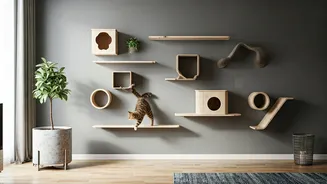
Before you drill a single hole, grab a pencil and paper. Think like a cat. The best paths have a logical flow, with multiple entry and exit points so a cat never feels trapped. A great starting point is near a favorite window, allowing them to survey the outdoors from a safe height. Create a path that leads to a desirable destination, like a cozy bed on a high shelf or a route that lets them travel between rooms without touching the floor. Consider spacing carefully; the distance between shelves should be manageable for your cat’s age and agility. A young, athletic cat can handle bigger gaps than a senior. The goal is a path that is both challenging and achievable, encouraging confident exploration.
DIY vs. Pre-Made Kits
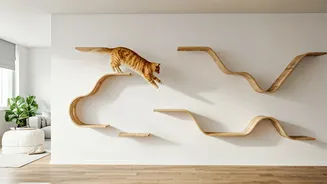
You have two main routes for acquiring your cat highway: building it yourself or buying a modular kit. DIY offers ultimate customization. Using simple wooden planks from a hardware store, you can cut shelves to the exact size you need. Cover them with carpet remnants, sisal rope, or non-slip yoga mat material for grip. This is often the most cost-effective option if you're handy. On the other hand, dozens of companies now offer beautiful, pre-fabricated systems. These kits come with all the necessary hardware, professionally finished components, and are designed for easy installation. While more expensive, they save time and often feature more polished designs, from sleek minimalist shelves to whimsical, nature-inspired branches.
Installation: Safety is Non-Negotiable
This is the most critical step. A poorly installed shelf is a serious hazard. Your number one tool is a stud finder. Do not, under any circumstances, rely on drywall anchors alone to support a jumping cat. Shelves must be screwed directly into the wooden studs inside your walls for maximum stability. Use screws that are long enough to go through the shelf, the drywall, and at least an inch into the stud. Once a shelf is mounted, give it a firm tug—if you can wiggle it, it’s not secure enough for your pet. Test the entire path with significant weight before letting your cat explore. A safe and sturdy installation gives your cat the confidence to use and love their new climbing space.