


Beyond the Takeout Menu
First, a quick translation. ‘Ghar Ka Khana’ literally means ‘food of the house.’ But for millions in the South Asian diaspora, it means so much more. This isn't the creamy, often standardized fare you find on most American Indian restaurant menus. There
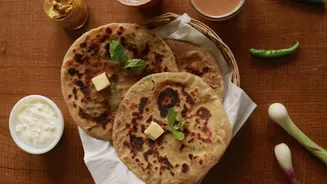
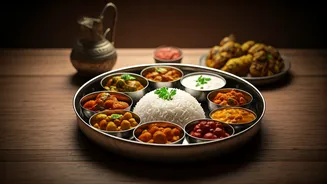
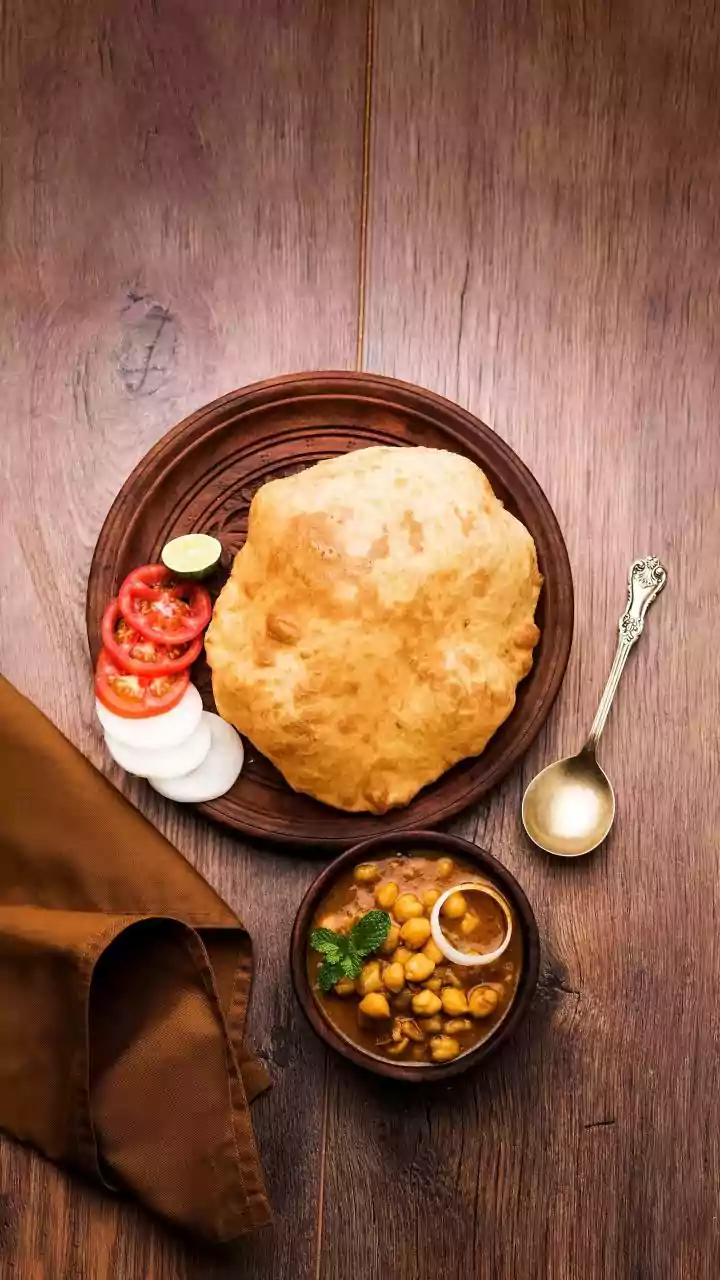
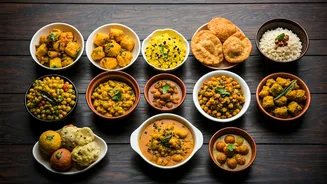
might be no chicken tikka masala or mountains of naan in sight. Instead, Ghar Ka Khana is the food of daily life: fragrant, simply spiced lentils (dal), seasonal vegetable dishes (sabzi), fluffy rice, and warm, pliable flatbreads (roti). It's the regional specialties and family recipes passed down through generations, each with its own unique fingerprint. It’s the culinary equivalent of putting on your favorite sweatpants—deeply comforting, unpretentious, and utterly authentic. For years, it was the humble, private backdrop to the more public-facing restaurant experience. Not anymore.
The Search for Real Comfort
So why the sudden surge in popularity? Part of the story begins with a collective burnout from the 'perfect' meal. After years of chasing reservations and obsessing over Michelin stars, there's a growing appetite for something more grounded. The pandemic accelerated this shift, forcing many of us back into our own kitchens and reacquainting us with the simple rhythm of making a meal from scratch. We longed for comfort, and nothing says comfort quite like a dish that tastes like childhood or a hug from a loved one. As takeout fatigue set in, the allure of a meal that was both nourishing and deeply personal grew stronger. Ghar Ka Khana was perfectly positioned to fill that void. It offers a depth of flavor and a sense of wellness that fast-casual options simply can't replicate. It’s the antithesis of the performative, a quiet rebellion against the idea that good food must be complicated or expensive.
Your Neighbor, The New Restaurateur
This renewed appreciation has also fueled a micro-economy. Across the U.S., home cooks, many of them immigrant women, are turning their kitchens into thriving small businesses. Using social media and community messaging apps, they offer hyper-local, authentic meals to their neighbors. Can’t find the specific fish curry from your coastal Indian hometown? Chances are, someone a few blocks away is making it to perfection. These informal networks provide a taste of home that is impossible to find in a commercial setting. They bypass the high overhead of a traditional restaurant, allowing an entire ecosystem of culinary talent to flourish. This isn't just about food; it's an act of entrepreneurship, community-building, and cultural preservation, one tiffin box at a time. It democratizes the food scene, placing value on skill and heritage over capital and marketing budgets.
Reclaiming the Lunchbox
Perhaps the most powerful driver behind this trend is a generational shift in cultural identity. For many second-generation South Asian Americans, the food their parents packed for lunch was once a source of anxiety—its fragrant spices a stark contrast to the ham-and-cheese sandwiches of their peers. But today, there's a powerful reclaiming of that heritage. That same food is now a badge of honor, a delicious connection to a culture they are eager to explore and share on their own terms. Flaunting a container of rajma chawal (kidney beans and rice) is no longer a liability; it's a flex. It says, 'This is me, this is where I come from, and it’s amazing.' This is the essence of its ‘Main Character Energy.’ It’s the confidence to center a story that was once pushed to the margins, celebrating its specificity without apology. It's food that is finally being seen not as 'other,' but as the star of its own show.