

Decoding the 'Clean Fit' Aesthetic
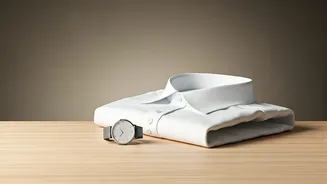
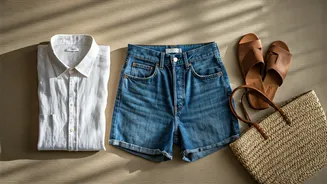
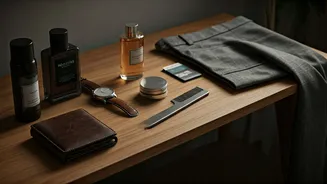
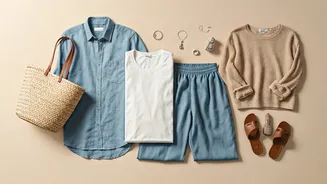
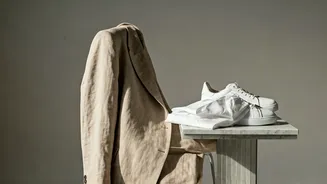
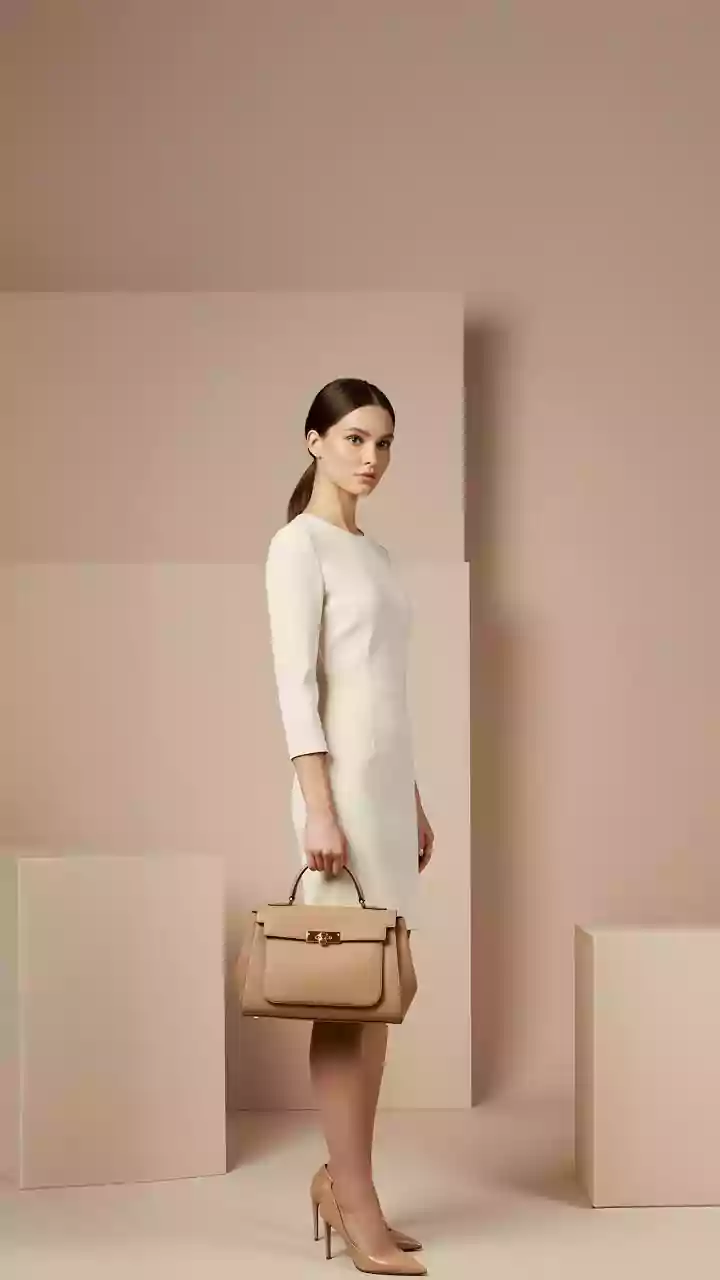
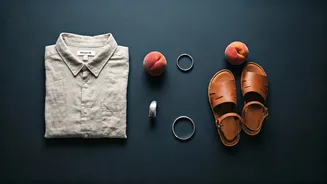
First, let’s define our terms. The 'clean fit' isn’t one specific uniform, but a vibe. It’s an aesthetic built on timeless silhouettes, neutral palettes, and an almost militant rejection of overt branding. Think perfectly tailored linen trousers, a crisp
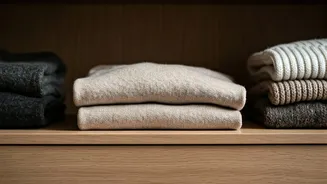
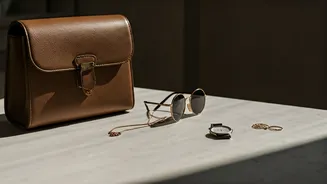
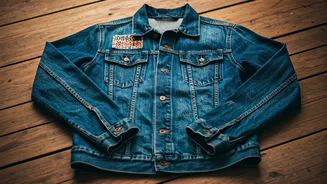
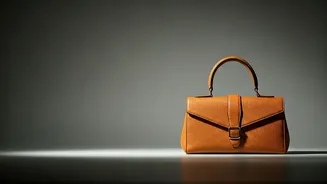
white tank top or baby tee, well-cared-for leather sandals, and maybe a single piece of understated gold jewelry. The color scheme rarely strays from beige, cream, navy, black, and white. Fabrics are natural and appear high-quality: cotton, linen, silk, and soft-worn denim. It’s the intersection of 90s minimalism, the 'coastal grandmother' trend, and a philosophy often dubbed 'quiet luxury.' The goal isn't to look like you just stepped off a runway, but like you effortlessly own a curated wardrobe of pieces that will look good for the next decade.
The Psychology of a Subtle Flex
So, how is something so simple a 'flex'? Because the statement it makes is more nuanced and, to those in the know, more powerful than a giant Gucci logo. The 'clean fit' flex isn't about money, but taste. It signals that you've graduated beyond the chaotic, algorithm-driven micro-trends spat out by TikTok and fast-fashion giants. It implies you have the confidence to not need bold colors or logos to be seen. It says, 'I have a point of view.' In a world of visual noise, showing up in a simple, perfectly executed outfit is a power move. It's a flex of discipline and restraint, suggesting a life that is just as put-together as the outfit. The flex is in the perceived effortlessness, which, ironically, often requires more thought than just buying the latest 'it' item.
A Reaction to Digital Chaos
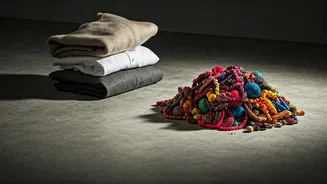
This trend didn't emerge in a vacuum. It’s a direct response to the culture of the last few years. After a period of 'dopamine dressing'—where bright, clashing, and often bizarre Y2K-inspired outfits were a way to find joy during uncertain times—the pendulum has swung dramatically. Gen Z, a generation that has grown up online, is experiencing a form of digital burnout. The constant pressure to keep up with an endless cycle of aesthetics (from cottagecore to clowncore) is exhausting. The 'clean fit' offers an escape hatch. By adopting a 'uniform' of classic, interchangeable pieces, you can opt out of the trend cycle altogether. It’s a sartorial deep breath; a quiet rebellion against the attention economy that demands you constantly perform.
Economic Anxiety in Your Closet
There's also a deeply practical, economic driver behind this shift. With inflation and economic uncertainty looming, the idea of dropping hundreds of dollars on a trendy item that will be 'out' in three months seems increasingly foolish. The 'clean fit' champions a more sustainable model of consumption, both for the planet and the wallet. The philosophy is to buy fewer, better things. Investing in a great pair of jeans or a classic trench coat that you can wear for years makes more financial sense than a dozen cheap, disposable tops from a fast-fashion haul. In this context, the flex is one of financial prudence. It shows you're smart enough to build a wardrobe with long-term value, a sign of maturity that is becoming its own form of social currency.