


Why the Water Turns Dangerous
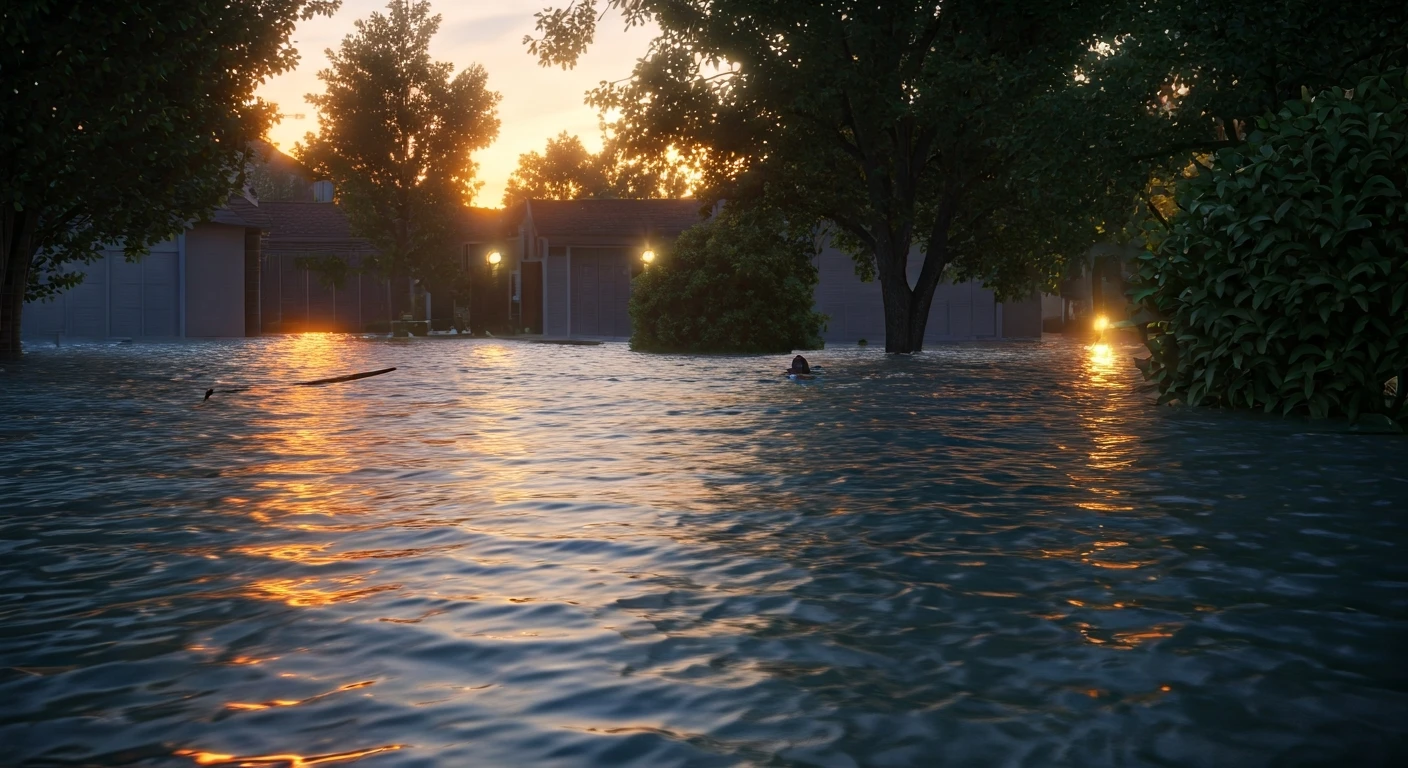
The dramatic downpours of a monsoon or the storm surge of a hurricane do more than just drench the landscape; they overwhelm our infrastructure. Municipal water systems, which operate under normal conditions with incredible reliability, can be compromised
in several ways. Floodwaters can infiltrate treatment plants, contaminating the entire supply. More commonly, they can seep into aging or damaged underground pipes through cracks, introducing a host of pollutants directly into the water destined for your home. At the same time, the sheer volume of water can cause sewage systems to back up and overflow, mixing raw waste with groundwater. Add in agricultural runoff carrying pesticides and bacteria from animal waste, and you have a perfect storm of contamination that can render tap water unsafe, even if it looks and smells perfectly normal.
The Invisible Threats Lurking Within
The primary danger isn't the dirt or sediment you can see, but the microscopic organisms you can't. These pathogens are responsible for a range of waterborne diseases that can cause severe gastrointestinal distress and, in vulnerable individuals, lead to life-threatening conditions. Chief among the culprits are bacteria like *E. coli*, *Salmonella*, and *Shigella*, which are often signs of fecal contamination and can cause violent illness. Protozoa such as *Giardia* and *Cryptosporidium* are also common; they are notoriously resistant to chlorine and can cause prolonged bouts of diarrhea and dehydration. Viruses, including Norovirus and Hepatitis A, can also spread rapidly through a compromised water supply. Consuming even a small amount of contaminated water can be enough to make a healthy adult sick for days, and it poses a much greater risk to children, the elderly, and those with weakened immune systems.
The Myth of 'Clear' Water
This is the core reason the rule is so often forgotten: our brains are wired to equate clarity with cleanliness. After a storm passes, if the water from the faucet runs clear, it’s tempting to assume the danger has passed, too. This is a critical mistake. The most harmful pathogens are invisible to the naked eye. Water that looks pristine can be teeming with bacteria and viruses. Local authorities will issue a “boil water advisory” if they know the system has been compromised, but these alerts can be delayed, especially in widespread disasters where communication is difficult. The safest assumption to make during and immediately after any major flooding event is that your tap water is not safe to drink without treatment, regardless of its appearance. Trusting your eyes instead of the established science of water safety is a gamble no one should take.
Your Action Plan: Before the Storm
Preparedness is your best defense. Don't wait until the emergency is upon you. The Federal Emergency Management Agency (FEMA) recommends storing at least one gallon of water per person per day for a minimum of three days. A family of four should have a 12-gallon supply of commercially bottled water stored in a cool, dark place. If you prefer to store your own, use food-grade water storage containers and sanitize them properly before filling. Beyond stored water, have a purification plan. This could be as simple as knowing the proper procedure for boiling water, or it could involve purchasing water purification tablets (containing iodine or chlorine) or a high-quality portable water filter certified to remove bacteria and protozoa. Having these supplies on hand means you won’t have to scramble for resources when they are most scarce.
Your Action Plan: During and After
Once a storm hits and an advisory is issued (or if you have any reason to suspect contamination), switch immediately to your emergency supply. If that runs out, you must treat any water from the tap before using it for drinking, cooking, washing dishes, or brushing your teeth. The CDC’s most reliable recommendation is boiling. Bring water to a full, rolling boil for at least one minute (or three minutes at elevations above 6,500 feet) and let it cool before use. If you can't boil water, chemical disinfection with unscented household bleach or purification tablets is the next best option, but you must follow the instructions precisely. A certified water filter can also work, but be aware that not all filters remove viruses. Remember this applies to ice, too—discard any ice made with tap water during the advisory and make new batches only with boiled or bottled water.