






Welcome to the Scotland of India
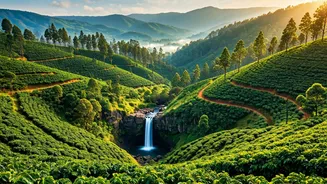
Nestled in the rolling hills of the Western Ghats mountain range in Karnataka, the district of Kodagu, affectionately known by its anglicized name, Coorg, has long been called “The Scotland of India.” While it lacks kilts and castles, it shares a misty,
ethereal beauty defined by undulating green hills, a perpetually cool climate, and a feeling of being worlds away from the clamor of modern life. But unlike Scotland’s moors, Coorg’s slopes are blanketed in a different kind of treasure: sprawling coffee plantations that have been the region's lifeblood for over a century. This isn’t just a place to visit; it’s a place to breathe, to slow down, and to reconnect with the quiet rhythms of nature.
The Magic of the Monsoon
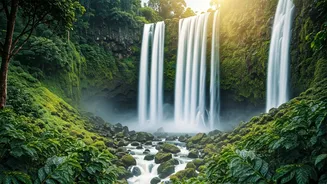
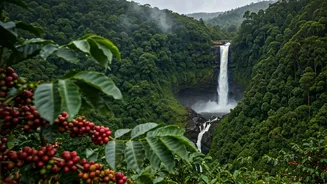
For most travel destinations, the rainy season is the off-season. But in Coorg, the monsoon (typically from June through September) is the main event. This is when the region's beauty becomes almost supernatural. The rains transform the landscape from a simple green to a hundred shades of emerald, jade, and moss. Clouds hang low in the valleys, weaving through the trees like smoke. Waterfalls, once modest trickles, roar back to life, and every leaf, branch, and coffee bean glistens with a fresh coat of rain. The constant, gentle patter of raindrops on broad-leafed plants becomes the soundtrack to your stay. It’s a multi-sensory experience that feels cleansing for the soul.
A Walk Through a Sea of Green
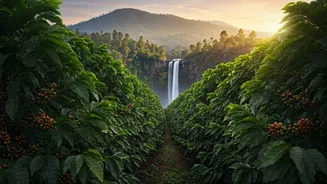
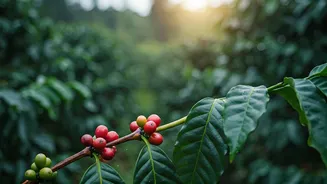
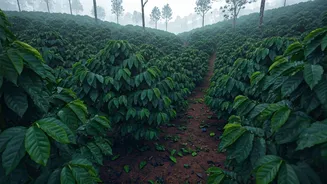
The quintessential Coorg experience is the plantation walk. This isn’t a strenuous hike but a meditative stroll along muddy paths that wind through endless rows of coffee shrubs. You walk under a dense canopy of shade trees, crucial for protecting the delicate coffee cherries below. Look closely and you’ll see that the coffee plants are often intertwined with other crops. Black pepper vines snake their way up the trunks of silver oak trees, and fragrant cardamom and vanilla plants grow in the shaded understory. The air is thick with a complex perfume of damp soil, blooming flowers, and the sweet, subtle scent of ripening coffee cherries. Your guide, often the plantation owner themselves, will point out the differences between Arabica and Robusta beans and explain the delicate cycle of cultivation, from blossom to harvest.
Beyond the Coffee Plants
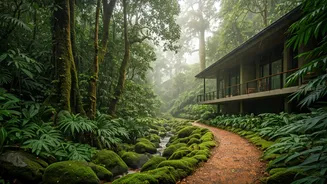
The experience is about more than just agriculture; it's a deep dive into the local ecology and culture. The plantations are living ecosystems, home to a symphony of birdsong and the rustle of unseen creatures. You might spot a Malabar giant squirrel leaping between branches or hear the distinct call of a hornbill. These walks are deeply connected to the region's warm hospitality. Many of the best experiences are offered by family-run homestays located right on the estates. Here, the walk often ends back on a cozy veranda where the family shares stories of their heritage, which is inextricably linked to the land and the coffee it produces. It’s a chance to understand a way of life that moves at a different pace, governed by seasons rather than schedules.
The Perfect Cup Awaits
Of course, no coffee plantation walk is complete without the final reward. After immersing yourself in the journey from soil to shrub, you get to taste the finished product at its source. Coorg is renowned for its shade-grown coffee, which tends to have a smoother, less acidic profile. Sitting in a warm room, watching the rain continue to fall outside while you sip a cup of freshly brewed, single-origin coffee is a moment of pure bliss. The rich, aromatic flavor feels earned, a culmination of the sights, sounds, and smells you just experienced. It’s not just a beverage; it’s the taste of the rain, the earth, and the enduring spirit of Coorg itself.