



So, What Is 'Chatpata'?
Trying to define 'chatpata' with a single English word is like trying to capture a symphony with one note. It isn’t just a taste; it’s an experience. The Hindi word refers to a powerful flavor profile that is simultaneously tangy, spicy, sweet, and savory.
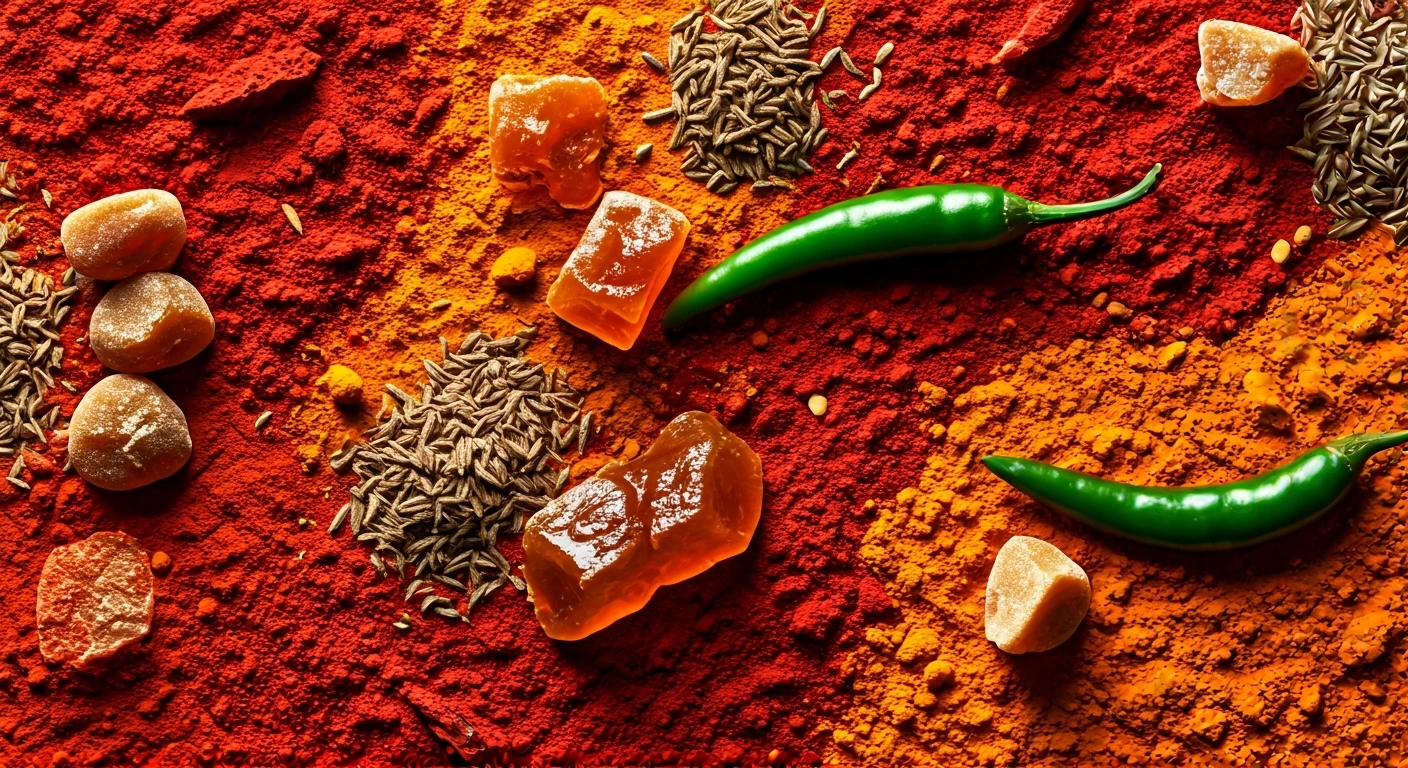
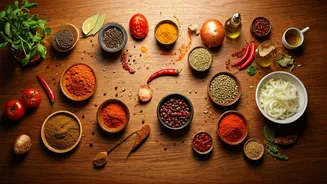
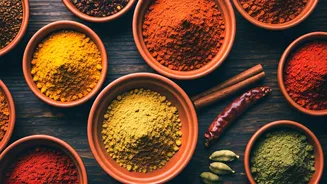
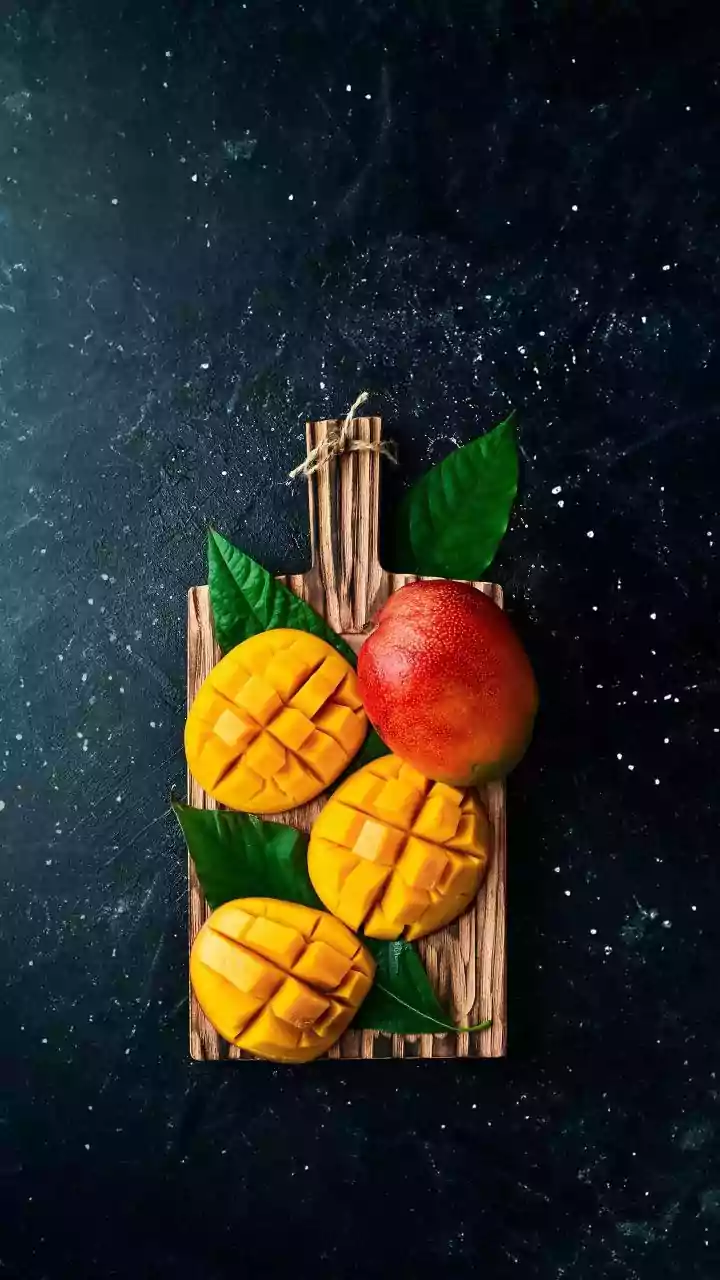
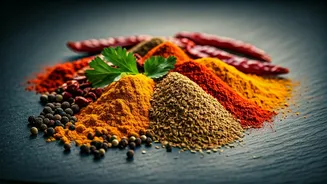
Think of it as a culinary roller coaster for your tongue. The goal is to hit as many sensation points as possible in one bite, creating a mouth-puckering, lip-smacking, crave-inducing reaction. The magic comes from a toolkit of specific ingredients: amchoor (dried green mango powder) for a sour kick, tamarind for a sweet-tart tang, black salt (kala namak) for a funky, sulfuric depth, and a blend of roasted spices known as chaat masala. It’s the flavor that makes you sit up, take notice, and immediately want another bite.
The Soul of the Street
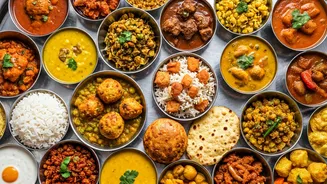
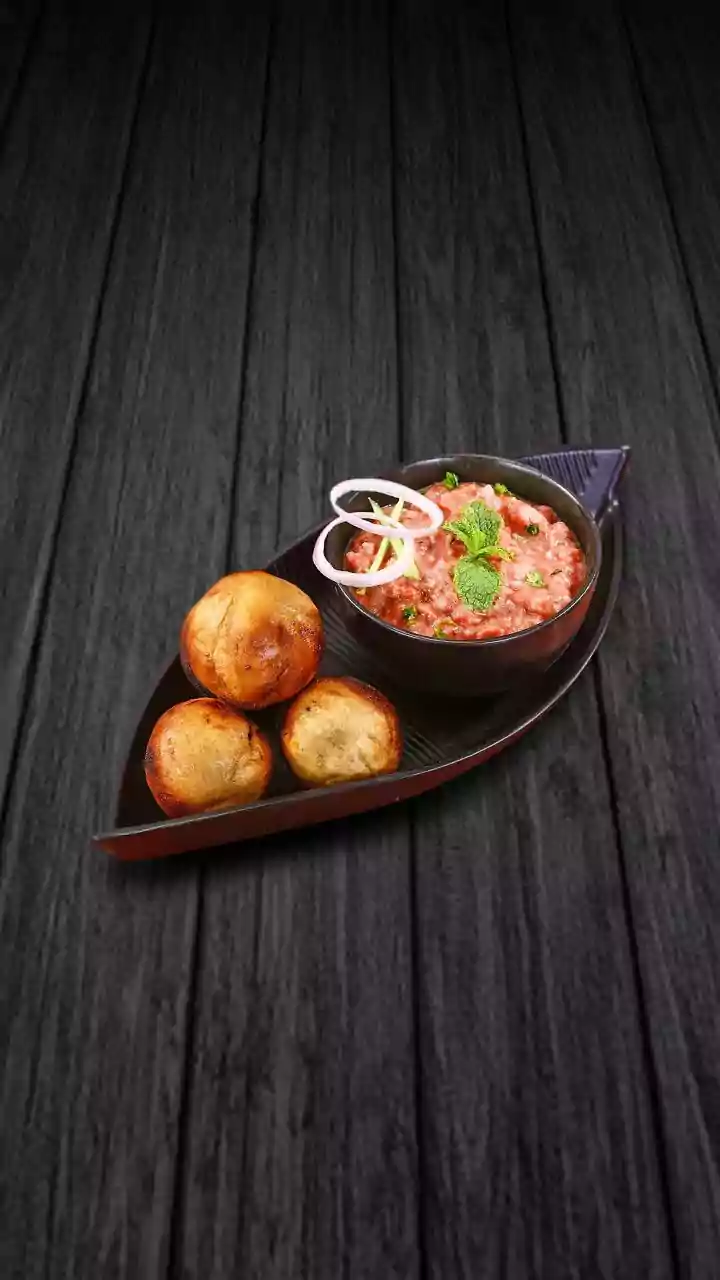
To understand chatpata, you have to go to its source: the bustling, chaotic, and utterly delicious world of Indian street food, or 'chaat.' For generations, vendors have been masters of this flavor, serving up quick, affordable snacks that explode with it. Dishes like Pani Puri—hollow, crispy spheres filled with spiced potatoes and dunked in tangy water—are the quintessential chatpata experience. Bhel Puri, a crunchy mix of puffed rice, chopped onions, potatoes, and chutneys, is another classic. On the street, chatpata isn't a measured, precise culinary concept; it's a feeling, assembled with lightning-fast hands and adjusted to each customer's preference for more spice or more tang. It is the democratic flavor of India, accessible to everyone.
From the Curb to the Craft Cocktail
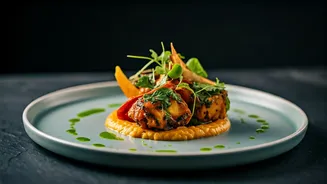
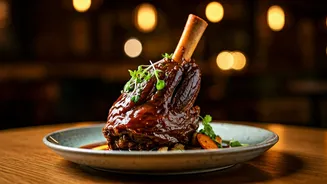
What makes the current moment so interesting is that chatpata is no longer confined to the street. It’s being embraced, reinterpreted, and elevated by a new generation of Indian chefs in high-end restaurants. This isn't about simply recreating street food with more expensive ingredients. It’s about harnessing the *essence* of chatpata and applying it in new, surprising ways. You might find a chaat masala-rimmed margarita, a tamarind-glazed pork belly, or a foam of spiced yogurt atop a delicate piece of fish. Chefs are using this familiar, beloved flavor as a vehicle for innovation, creating dishes that feel both nostalgic and thrillingly modern. It’s a way of saying that Indian cuisine can be forward-thinking without abandoning its roots.
A Craving for Comfort and Identity
So why is this flavor profile having such a moment? In a rapidly globalizing India, the resurgence of chatpata feels like a delicious act of cultural reassertion. As international food chains and Western culinary trends become more common, there’s a parallel movement to celebrate and reclaim uniquely Indian tastes. For many, the flavor is pure nostalgia—a direct link to childhood treats, after-school snacks, and festive family gatherings. In a world of avocado toast and quinoa bowls, the unapologetic punch of chatpata is a comforting, grounding force. It’s a taste of home, but one that is dynamic and evolving, proving that tradition can be the most exciting source of inspiration.