





More Than a Neutral Palette
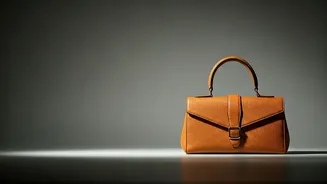
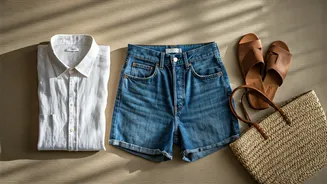
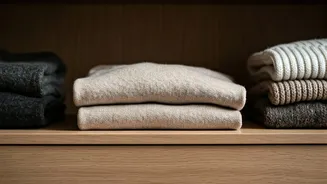
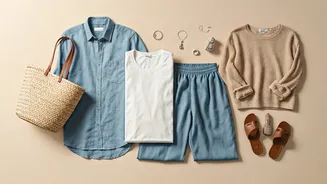
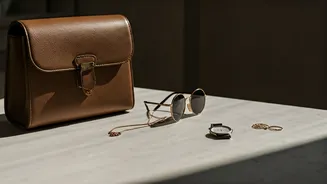
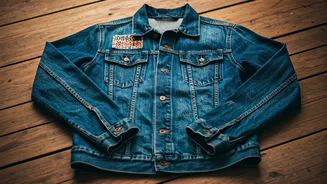
First, let's define what we’re talking about. Visually, Gen Z minimalism is often associated with the “clean girl aesthetic”—glowing skin, minimal makeup, simple gold jewelry, and a wardrobe built on high-quality basics in shades of beige, cream, and black.
Think Hailey Bieber’s curated effortlessness or the uncluttered, serene apartment tours that go viral on TikTok. On the surface, it’s an aesthetic of restraint. Critics, often millennials who came of age with loud prints and “more is more” influencer hauls, might see this as boring—a sea of sameness lacking personality. But that interpretation misses the point entirely. This isn't just about liking the color beige. It’s a carefully constructed lifestyle philosophy built for a world that feels increasingly out of control.
A Shield Against Digital Chaos
For a generation raised online, the constant barrage of information, micro-trends, and algorithm-fueled pressure is exhausting. The hyper-curated, maximalist Instagram feeds of the 2010s feel dated and inauthentic to many in Gen Z. Their minimalism is a direct reaction to that digital noise. It’s about creating a personal environment—both physical and digital—that is calming, intentional, and manageable. By unsubscribing from the endless cycle of trends, they’re not just saving money; they’re saving their mental energy. A simple, repeatable “uniform” of well-fitting basics frees up headspace that would otherwise be spent agonizing over what to wear. An uncluttered room offers a sanctuary from a chaotic world. In this context, simplicity isn't lazy; it’s a form of self-preservation.
The Economics of Less
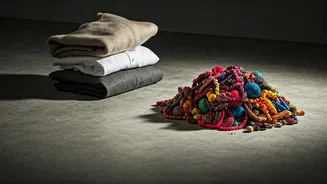
Let’s not forget the most practical driver: money. Gen Z entered adulthood facing a cocktail of economic anxieties—stagnant wages, crippling student debt, and sky-high inflation that makes everything from groceries to rent feel untenable. The extravagant consumerism of previous generations simply isn't an option for many. Strategic minimalism becomes a financial survival tactic. A capsule wardrobe built on timeless, versatile pieces is a smart investment that sidesteps the financial trap of fast fashion’s weekly micro-trends. The “de-influencing” trend, where creators actively discourage followers from buying unnecessary products, is a perfect example of this mindset. It’s a pragmatic rejection of the idea that happiness can be purchased, because for many, the funds for that experiment simply don't exist. When you have less discretionary income, every purchase has to count.
An Ethical and Sustainable Choice
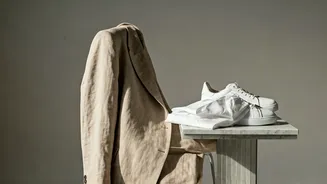
Beyond the personal and financial, there's an ethical layer to this trend. Gen Z is acutely aware of the climate crisis and the social injustices baked into global supply chains. The fast-fashion model, with its staggering waste and exploitative labor practices, is deeply at odds with the values many of them hold. Opting for a minimalist lifestyle—buying fewer, higher-quality items intended to last—is a way to align their consumption with their conscience. It’s about voting with their dollar for a more sustainable and ethical system. This isn't about deprivation. It's about conscious consumption, prioritizing longevity and quality over fleeting novelty. This thoughtful approach reframes minimalism not as a lack of something, but as a deliberate choice for something better.