


1. The Rise of 'Work-Life' Furniture
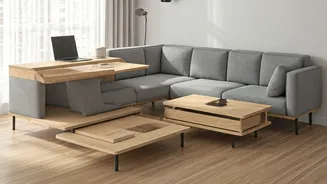
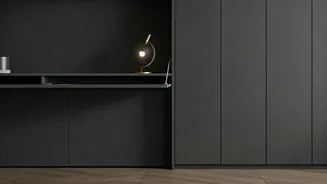
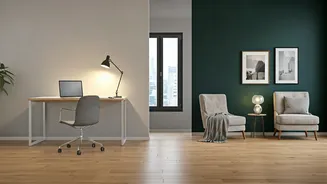
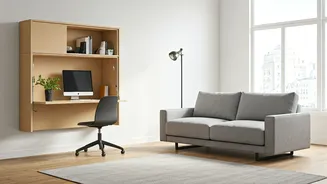
Remember when your dining table was just for… dining? The mass shift to remote and hybrid work has rendered single-use furniture almost obsolete. Today, the most innovative designs are masters of disguise. We’re talking about coffee tables that lift to become
ergonomic desks, sleek cabinets that unfold into complete workstations, and sideboards with built-in charging ports and cable management. This isn't just about saving space; it's about creating a seamless transition between 'on' and 'off' hours. The goal is to reclaim our living areas for leisure at the end of the day, allowing us to mentally clock out by physically putting our work away. This trend reflects a deep need for boundaries in homes that now double as offices.
2. Comfort is King: The 'Soft Modern' Takeover
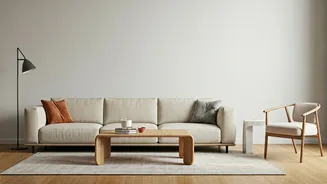
After years of sharp lines and cool, minimalist aesthetics, furniture is getting a whole lot softer. Say hello to curvy silhouettes, rounded edges, and ultra-tactile fabrics. Bouclé, sherpa, velvet, and corduroy are draping everything from sofas to accent chairs, inviting you to touch and sink in. This isn't just a stylistic whim; it's a psychological response. In a world that often feels harsh and uncertain, our homes have become our sanctuaries. Designers are responding with 'emotional' or 'comfort-core' pieces that feel like a hug. These gentle, organic shapes break up the monotony of boxy rooms and create a visual sense of calm and safety, making our living spaces feel more nurturing and less like sterile showrooms.
3. Modularity Means Freedom
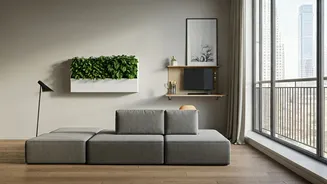
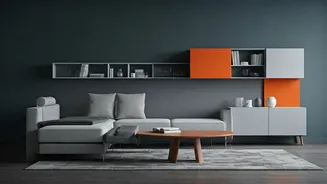
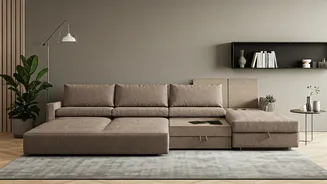
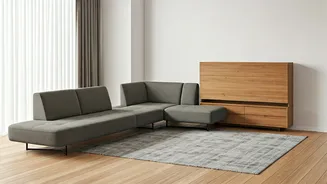
The one-size-fits-all sectional is facing a challenger: the modular sofa. As our lives become more fluid—moving apartments, growing families, or simply wanting a change—our furniture needs to keep up. Modular designs, which consist of individual sections that can be rearranged, added to, or separated, offer unparalleled flexibility. A five-piece sofa in your spacious suburban home can be broken down into a loveseat and a chair for your new city apartment. This trend extends beyond seating to shelving systems that grow with your collection and tables that can be configured for intimate dinners or large gatherings. It’s furniture that adapts to your life, not the other way around, embodying a modern desire for freedom and less disposable consumption.
4. Sustainability as a Standard
Eco-consciousness is no longer a niche market. For a growing number of consumers, the story behind a piece of furniture is as important as its style. This has pushed designers and manufacturers to innovate with sustainable and responsibly sourced materials. We’re seeing a surge in furniture made from reclaimed wood, recycled plastics (sometimes transformed into surprisingly chic fabrics), bamboo, cork, and rattan. Beyond materials, there's a renewed appreciation for craftsmanship and durability. The 'fast furniture' model is losing its shine, replaced by a 'buy it for life' mentality. This trend is about investing in pieces that are not only good for the planet but also bring a sense of history, authenticity, and natural beauty into the home.
5. Bringing the Outside In
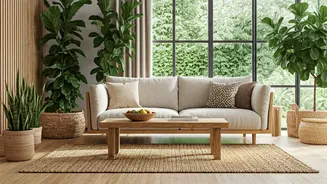
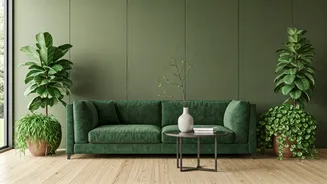
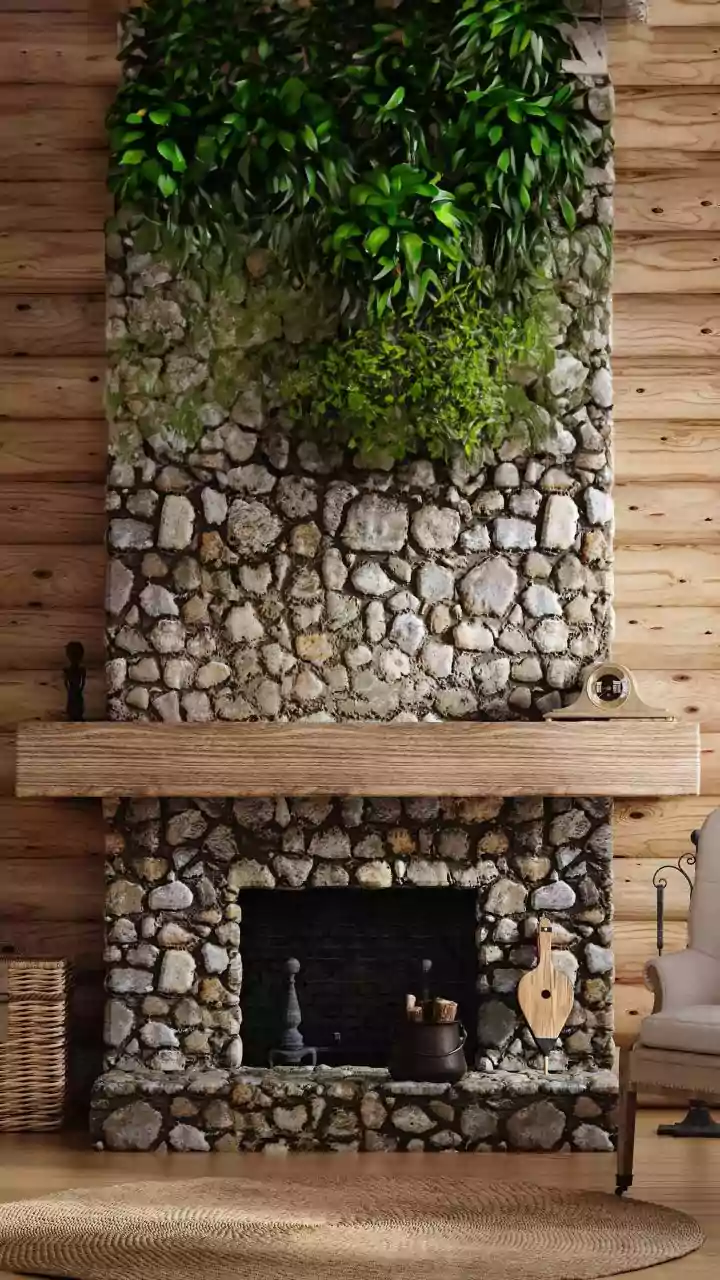
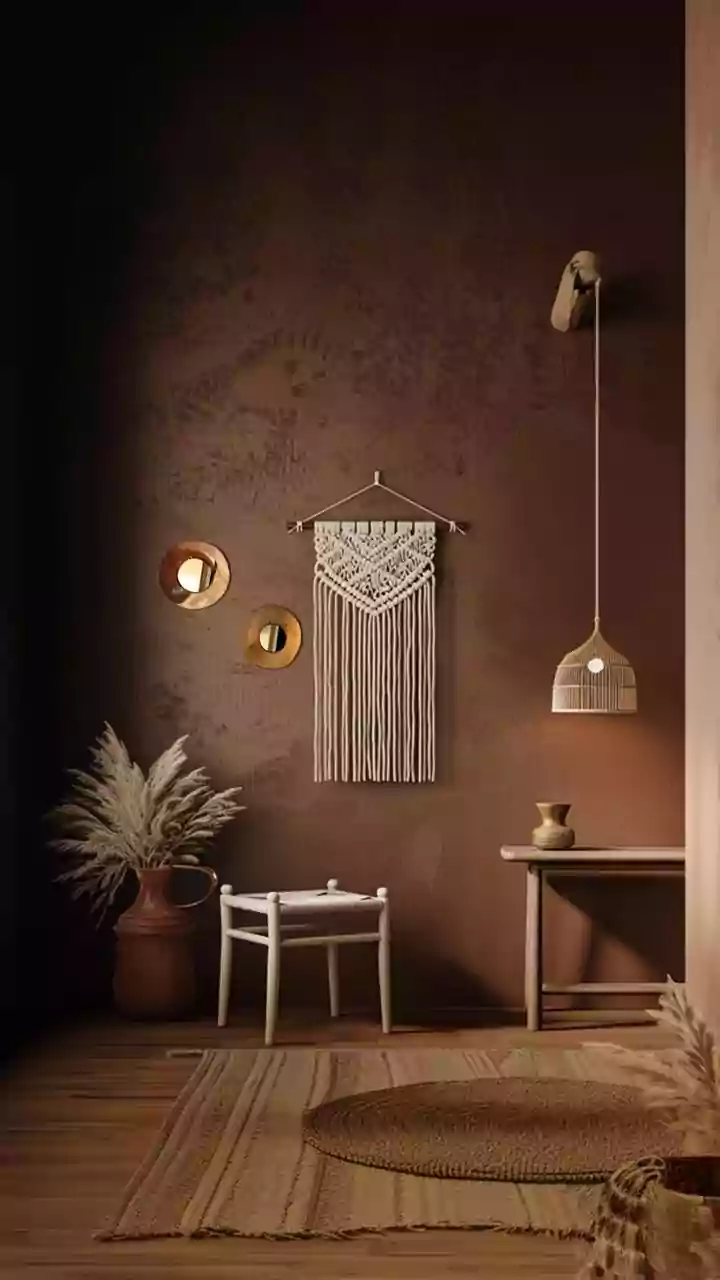
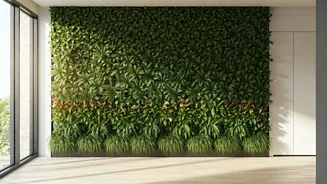
Related to sustainability but distinct in its focus, biophilic design is a trend rooted in our innate connection to nature. The idea is to improve well-being by incorporating natural elements into our built environments. In furniture, this translates to an emphasis on natural wood grains, live-edge tables, stone accents, and earthy color palettes of green, terracotta, and sand. It’s more than just adding a few houseplants. It’s about choosing forms and materials that mimic the natural world, fostering a sense of tranquility and reducing stress. A simple, beautifully grained oak table or a jute rug can ground a room and connect us to something elemental, a welcome antidote to our screen-saturated lives.