






The Himalayan Quest for the Snow Leopard
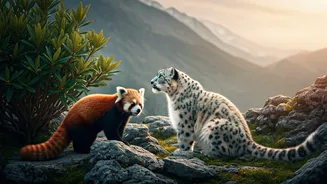
For decades, the snow leopard was more myth than reality for all but the most hardened mountaineers. Now, spotting the “ghost of the mountains” is a tangible, albeit challenging, travel goal. In the high-altitude desert of Ladakh, a new breed of tour
operator is combining local expertise with creature comforts. These trips aren't for the faint of heart; they involve acclimatizing to altitudes above 11,000 feet. But the 'richer' element isn't about marble bathrooms. It's about heated tents, expert spotters with high-powered scopes who spend weeks tracking the cats, and private chefs who prepare hot meals in the middle of nowhere. The reward is an intimate encounter with one of the planet's most elusive predators in a landscape of stark, immense beauty.
Luxury Tents Among One-Horned Rhinos
Assam’s Kaziranga National Park, a UNESCO World Heritage site, has long been the stronghold for the great one-horned rhinoceros. What's new is the level of access and accommodation. The traditional, rustic government bungalows are being supplemented by high-end safari lodges and luxurious tented camps that rival those in Africa. Imagine waking up to the sounds of the Brahmaputra River, heading out on an elephant-back or jeep safari into the misty grasslands, and returning to a private plunge pool and a gourmet dinner. This blend of raw, prehistoric-feeling wildlife viewing with sophisticated comfort is redefining the classic Indian safari.
Diving into the Untouched Andaman Islands
India's wild frontier isn't just terrestrial. The Andaman and Nicobar Islands, a remote archipelago in the Bay of Bengal, are an aquatic paradise just beginning to open to thoughtful, upscale tourism. While parts remain off-limits to protect indigenous tribes and fragile ecosystems, islands like Havelock (Swaraj Dweep) now host boutique, eco-conscious resorts. Here, the 'wilder' experience is underwater. Divers can explore pristine coral reefs teeming with life, from manta rays to dugongs, far from the crowded dive sites of Southeast Asia. The 'richer' part is the sustainable approach—resorts built from local materials, a focus on marine conservation, and a sense of being truly disconnected in one of the world's last unspoiled marine frontiers.
Tracking Tigers with a Conservationist's Eye
The tiger safari is the quintessential Indian wildlife trip, but it’s undergoing a major evolution. In response to overcrowding in some popular park zones, a new model is emerging. Exclusive, conservation-focused lodges in Central India’s parks like Kanha, Bandhavgarh, and Pench are offering a more profound experience. They employ naturalist guides who are not just trackers, but trained biologists and conservationists. They offer fewer guests per vehicle for better viewing, private access to buffer zones, and a deeper narrative about the entire ecosystem, not just the tiger. The luxury here is in the exclusivity, the knowledge, and the feeling that your visit is directly contributing to the protection of the striped cat and its habitat.
Searching for Biodiversity in the Western Ghats
For a different kind of wild, look to the Western Ghats, a mountain range older than the Himalayas and a global biodiversity hotspot. This lush, tropical region in states like Kerala and Karnataka is home to an incredible array of life, much of it found nowhere else on Earth. Nature travel here is becoming richer through boutique plantation stays and eco-lodges nestled in spice gardens or rainforests. The adventure is more subtle—guided night walks to spot glowing fungi and shy nocturnal mammals like the slender loris, or trekking through shola forests to find rare frogs and hundreds of bird species. It's a trip for the patient observer, rewarding travelers with a deep appreciation for the small, intricate wonders of the natural world.