
An Evolution in a Sweet Box
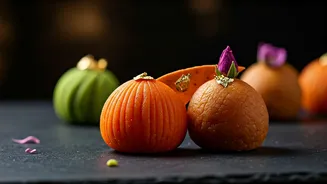
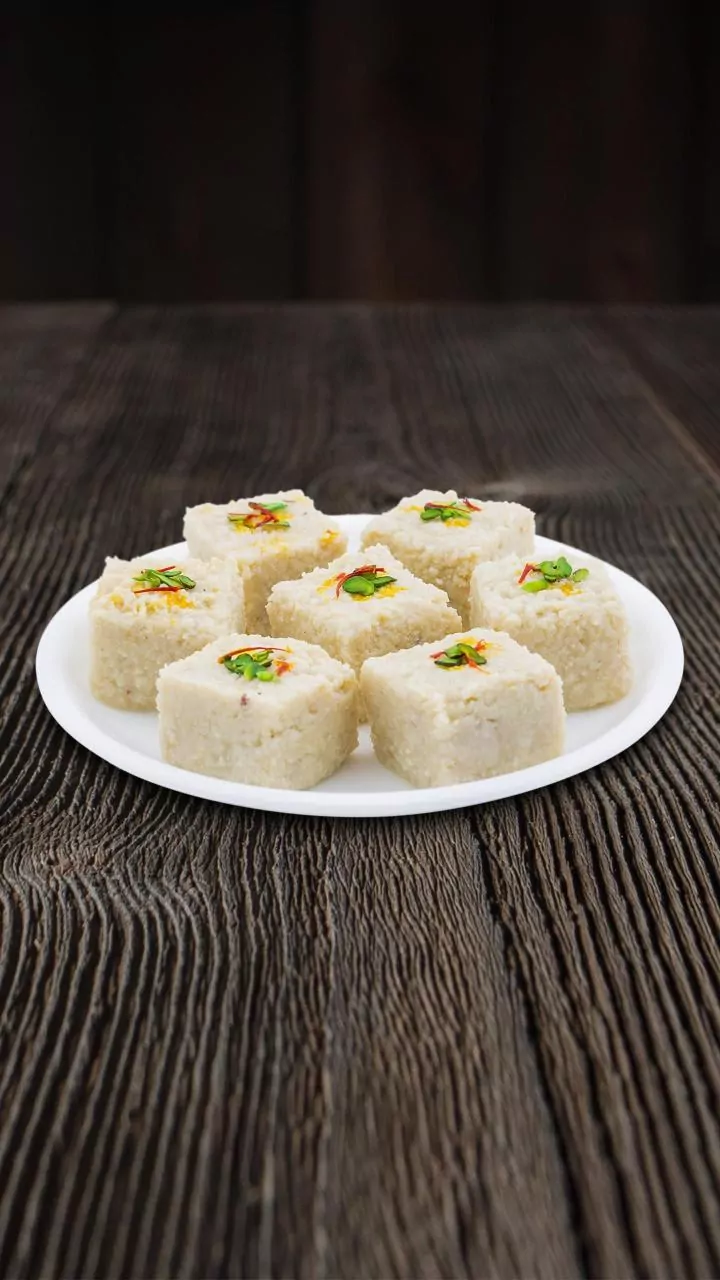
For years, the American encounter with Indian desserts was often limited to a post-buffet bowl of rice pudding (kheer) or dense, syrup-soaked gulab jamun. While beloved and delicious, these classics only scratch the surface of a vast confectionery tradition.
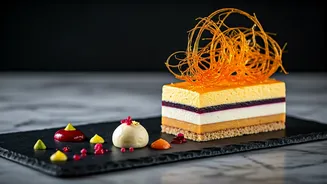
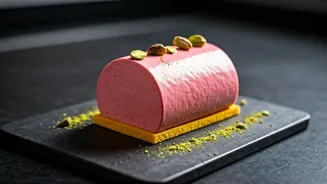
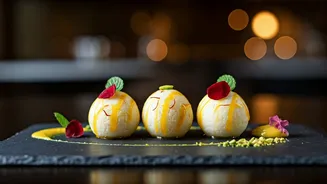
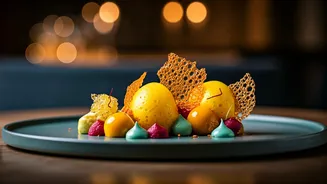
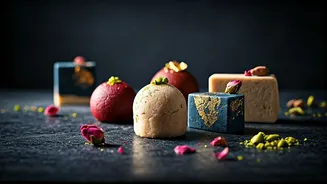
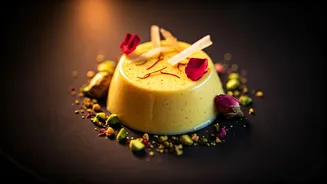
Now, a new generation of Indian-American chefs and bakers is challenging those limited perceptions. They are taking the foundational flavors of their heritage—cardamom, saffron, rose, pistachio, mango—and infusing them into globally recognized dessert formats. The result is a culinary movement that is both deeply personal and thrillingly innovative, offering a new definition of what an Indian sweet can be. It’s not about replacing tradition, but building upon it with new textures, refined sweetness, and stunning presentations.
The New Guard of Pastry Chefs
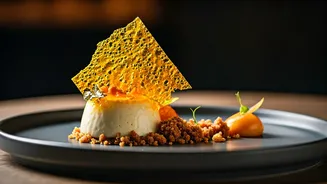
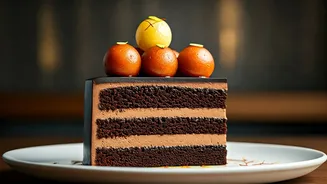
This movement isn't happening in a vacuum; it’s being driven by talented individuals who navigate multiple cultures with ease. Many are formally trained in Western pastry techniques, particularly French patisserie, and they are applying that rigorous training to the flavors of their childhoods. Chefs like Surbhi Sahni in New York and Hetal Vasavada, author of the cookbook Milk & Cardamom, are pioneers in this space. They deconstruct familiar sweets and rebuild them with an artist’s eye and a scientist’s precision. Think of a classic carrot halwa, traditionally a warm, grated carrot pudding. In their hands, it might become a delicate, moist cake layer in a sophisticated entremet, or its spiced essence could be captured in a silky panna cotta. These chefs are storytellers, using sugar, flour, and spice to express a modern diaspora identity.
On the Menu: Cheesecake to Tres Leches
So what do these luxe desserts actually look and taste like? Picture a Burnt Basque cheesecake, but with the malty, caramelized milk solid notes of gulab jamun. Or imagine a Ras Malai Tres Leches, where a light sponge cake is soaked in the saffron- and cardamom-infused milk typically used for the classic cheese dumplings. The familiar tres leches format provides a perfect canvas for the iconic Indian flavor profile. Other viral creations include Mithai Tiramisu, swapping ladyfingers for cake rusk and masala chai for coffee, or macarons flavored with rosewater and pistachio. These fusions work because they are thoughtful. The chefs aren't just throwing flavors together; they are finding surprising harmonies between textures and tastes, creating something that feels both novel and comfortingly familiar.
Why This Trend Is Here to Stay
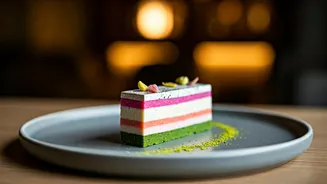
The rise of luxe Indian desserts is about more than just a sweet tooth. It’s a reflection of a broader cultural shift. As Indian food in America has moved beyond the all-you-can-eat buffet and into the realm of regional fine dining and fast-casual concepts, diners have become more educated and curious. This newfound appreciation has created an audience eager for more complexity and nuance. Furthermore, for many second-generation Indian Americans, these desserts are an expression of cultural pride. They are a way to celebrate their heritage on their own terms, blending the best of both worlds. In a social media-driven food culture, the visual appeal of these beautifully crafted sweets also plays a huge role. A perfectly piped saffron mousse or a jewel-toned Jell-O-style mithai is destined for Instagram, spreading the word far beyond a single city.