







Mohinder Amarnath: The 1983 Final’s True Architect
In 1983, India entered the World Cup in England as 66-to-1 underdogs. Their opponent in the final was the West Indies, a dynasty of cricketing titans aiming for their third straight title. India’s captain, Kapil Dev, is rightly mythologized for his leadership,
but the team’s quiet, stoic vice-captain, Mohinder Amarnath, was the man who clinically dismantled the champions. An all-rounder—a player who excels at both batting and bowling (think a two-way player in football)—Amarnath delivered two of the most decisive performances in cricket history. In the semi-final, his steady batting and crafty bowling earned him the Man of the Match award. Then, in the final, facing the most feared bowlers on the planet, he absorbed pressure with the bat before returning with the ball to take the final, game-clinching wicket. He was named Man of the Match again. While Dev lifted the trophy, it was Amarnath’s grit that laid the foundation for the single greatest upset in cricket.
Roger Binny: The Unexpected Wicket-Taker
While Mohinder Amarnath was the hero of the 1983 knockout stages, India wouldn't have gotten there without Roger Binny. In cricket, a bowler is the equivalent of a pitcher, and their main job is to get batsmen out (taking a “wicket”). The English weather conditions that year favored a certain type of bowling—swing bowling, where the ball curves in the air. Binny, who wasn't considered exceptionally fast or menacing, turned out to be a master of it. Throughout the tournament, he took wickets when no one else could, confounding top-tier batsmen with his deceptive movement. He finished the World Cup not just as India’s best bowler, but as the entire tournament’s leading wicket-taker with 18 dismissals. In a team of Davids battling Goliaths, Binny was the one who kept finding a way to land the stone, rewriting expectations with every match.
Gautam Gambhir: The Man for Two Finals
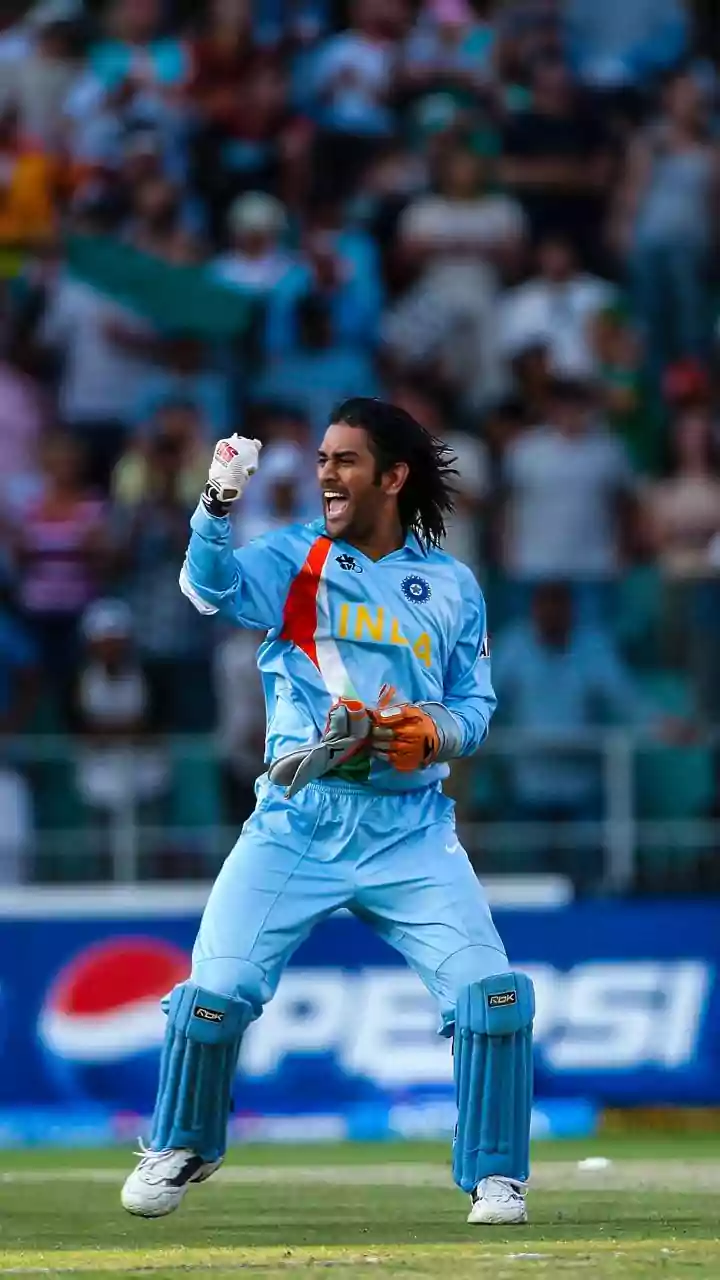
If there’s one player who embodies the term “unsung hero,” it’s Gautam Gambhir. He was the top scorer for India in two different World Cup finals, and in both cases, his contributions are criminally overlooked. In the 2007 T20 World Cup final—a fast-paced, 20-over slugfest—against arch-rivals Pakistan, Gambhir anchored the innings with a brilliant 75 runs. Without his score, India wouldn’t have had a competitive total to defend. Then, in the 2011 50-over World Cup final, India was in deep trouble chasing Sri Lanka’s target when their two biggest stars, Sachin Tendulkar and Virender Sehwag, were dismissed early. Gambhir walked in and played the innings of his life, a gutsy 97 that stabilized the team and set the stage for the victory. The enduring image is of captain M.S. Dhoni hitting the winning six, but it was Gambhir who did the heavy lifting to make that moment possible.
Irfan Pathan: The T20 Final’s Game-Changer
The inaugural T20 World Cup in 2007 was cricket’s high-octane experiment, and the final was a scriptwriter’s dream: India vs. Pakistan. With India defending a modest score, the game was on a knife’s edge. Enter Irfan Pathan. A gifted swing bowler, Pathan delivered a spell so precise and impactful it broke the back of Pakistan’s chase. In the high-pressure middle overs, where games are often won or lost, he took three crucial wickets for just 16 runs. His performance wasn't just economical; it was surgical. He removed Pakistan's established batsmen, creating a panic from which they never recovered. While the last-over drama is what most remember, it was Pathan's masterful four-over spell that earned him Man of the Match and put India in a position to win its first world title in 24 years.
Zaheer Khan: The 2011 Master of Control
By 2011, Zaheer Khan was the veteran leader of India’s bowling attack. He was the pace spearhead, the guy you give the ball to when you need a breakthrough. Throughout the tournament, played on home soil, he was a model of consistency and intelligence. His opening spell in the World Cup final was a masterclass. In his first five overs, he conceded a mere six runs and took a critical wicket, completely stalling Sri Lanka’s momentum. He was the master of “reverse swing,” an advanced technique that makes an old, battered cricket ball behave unpredictably, a bit like a baseball pitcher’s knuckleball. While other players grabbed headlines for explosive batting, Khan was the silent workhorse, controlling the flow of the game and taking 21 wickets, the joint-highest in the tournament. He was the strategic anchor that allowed India’s star-studded batting lineup to chase down their destiny.