


The Sun-Soaked Dream Is Overheating
Remember the postcard? A turquoise ocean, blindingly white sand, and a sweating cocktail glass. For decades, this was the pinnacle of escape. We chased the sun, planning trips to the Mediterranean, the Caribbean, and our own desert Southwest with the singular
goal of baking in glorious heat. But in recent years, the dream has started to feel more like a fever dream. That gentle warmth we sought has been replaced by a suffocating, dangerous heat dome. Tourists are fainting at the Acropolis, Italian cities are issuing red alerts for temperatures soaring past 105°F, and wildfires are threatening idyllic coastal towns. The 'perfect beach day' has become a scramble for shade and an endless, sticky discomfort. The very thing we traveled for—the sun—has become the primary reason to stay inside. This isn't a fluke; it's the new summer reality for many of the world's most sought-after destinations. The travel industry, built on the promise of sunny getaways, is now confronting a fundamental problem: what happens when the main attraction becomes a liability?
The New Status Symbol: A Light Jacket in July
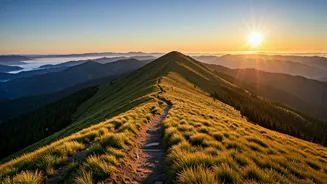
In this new climate, the ultimate travel 'flex' has been completely redefined. It’s no longer a photo of you glistening by an infinity pool in Mykonos. The real status symbol is a picture of you wearing a fleece pullover on a mountain trail in August. It’s a video of you enjoying a hot coffee on a brisk morning in coastal Maine while your friends back home are hiding from the heat. Cool air is the new luxury. The ability to walk outside during the day without risking heatstroke, to sleep under a duvet at night, and to enjoy outdoor activities without feeling drained and miserable is a form of wealth that money can, in fact, buy—by booking a plane ticket north. This isn't about shunning warmth entirely; it's about seeking comfort and well-being. The 'cool-cation' trend is a direct response to a world where our own homes and cities are becoming unlivably hot for weeks on end. Escaping the heat is no longer just a preference; it’s a strategic pursuit of quality of life.
The 'Hot' List of Cool Destinations
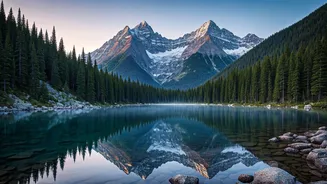
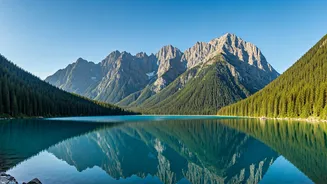
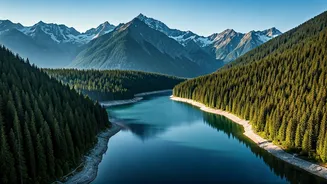
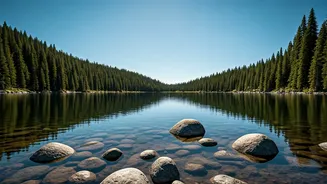
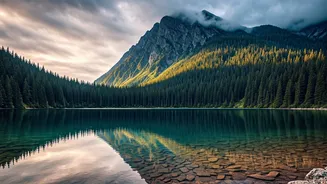
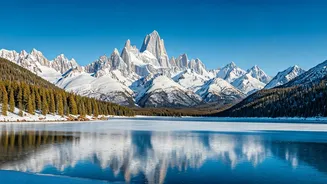
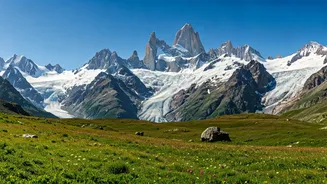
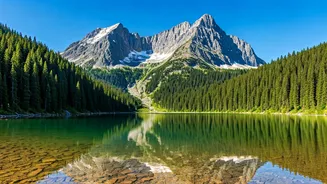
So where are discerning travelers heading? They’re looking at the map and going up—either in latitude or altitude. Destinations that were once considered 'shoulder season' or niche are suddenly prime real estate for summer travel. Scandinavia is booming, with travelers flocking to Norway, Sweden, and Denmark for their mild summers, stunning fjords, and chic, walkable cities where 75°F is a warm day. The same goes for the Pacific Northwest and New England in the U.S., where cities like Seattle and Portland, and the coastlines of Maine and Vermont, offer a respite from the oppressive humidity plaguing the rest of the country. Canada, from the Rockies in Alberta to the charming maritime provinces of Nova Scotia and Prince Edward Island, is also seeing a surge. High-altitude destinations are another key part of the trend. Mountain towns in Colorado, Wyoming, and Utah that were once primarily known for skiing are rebranding as summer havens for hiking, biking, and simply enjoying a crisp, alpine breeze.
More Than Just a Temperature Drop
This shift is about more than just dodging sweat. It represents a deeper evolution in what we value in travel. The overheated, over-touristed hotspots of the past often came with long lines, exorbitant prices, and a feeling of being processed through a tourism machine. The pivot to cooler climates often means discovering places with a slower pace and fewer crowds. A trip to the Faroe Islands or Newfoundland is fundamentally different from a weekend in Rome or Barcelona. It prioritizes nature over nightlife, active exploration over passive sunbathing. It’s a move toward experiences that feel more authentic and restorative. In a way, the climate is forcing a travel correction we probably needed anyway. It’s pushing us to broaden our horizons, explore different cultures, and redefine a 'good vacation' as one that leaves us feeling refreshed and energized, not sunburned and exhausted.