




The Backlash Against Perfection
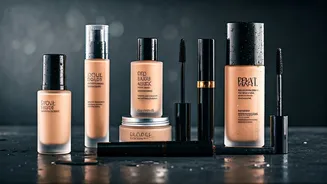
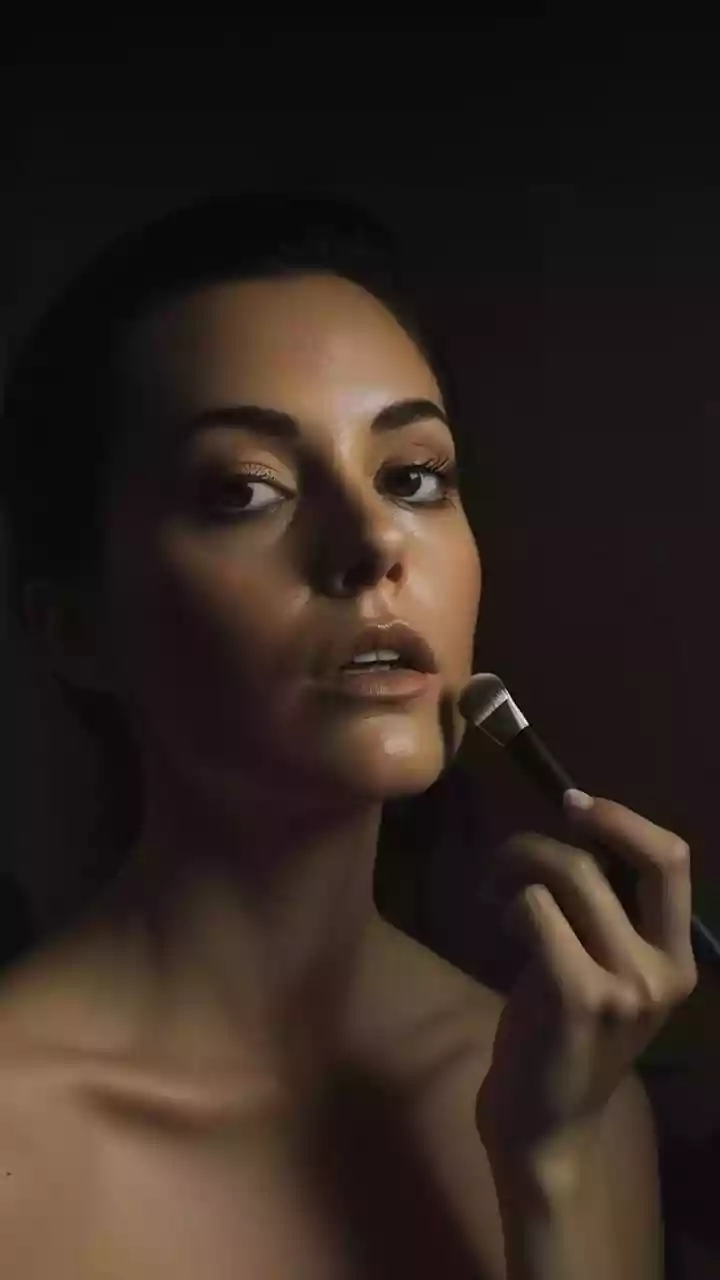
For years, the gold standard of beauty, heavily influenced by YouTube gurus and Instagram influencers, was transformation. The goal was a flawless, airbrushed finish achieved through a dozen or more products. Techniques like 'baking' with translucent
powder, carving out cheekbones with contour, and drawing on bold, blocky eyebrows were skills to be mastered. It was artistry, but it was also a high-effort performance. After years of chasing this poreless, sculpted ideal, a collective fatigue set in. The look began to feel less like self-expression and more like a mask—heavy, time-consuming, and disconnected from the real person underneath.
The Rise of 'Skinimalism'
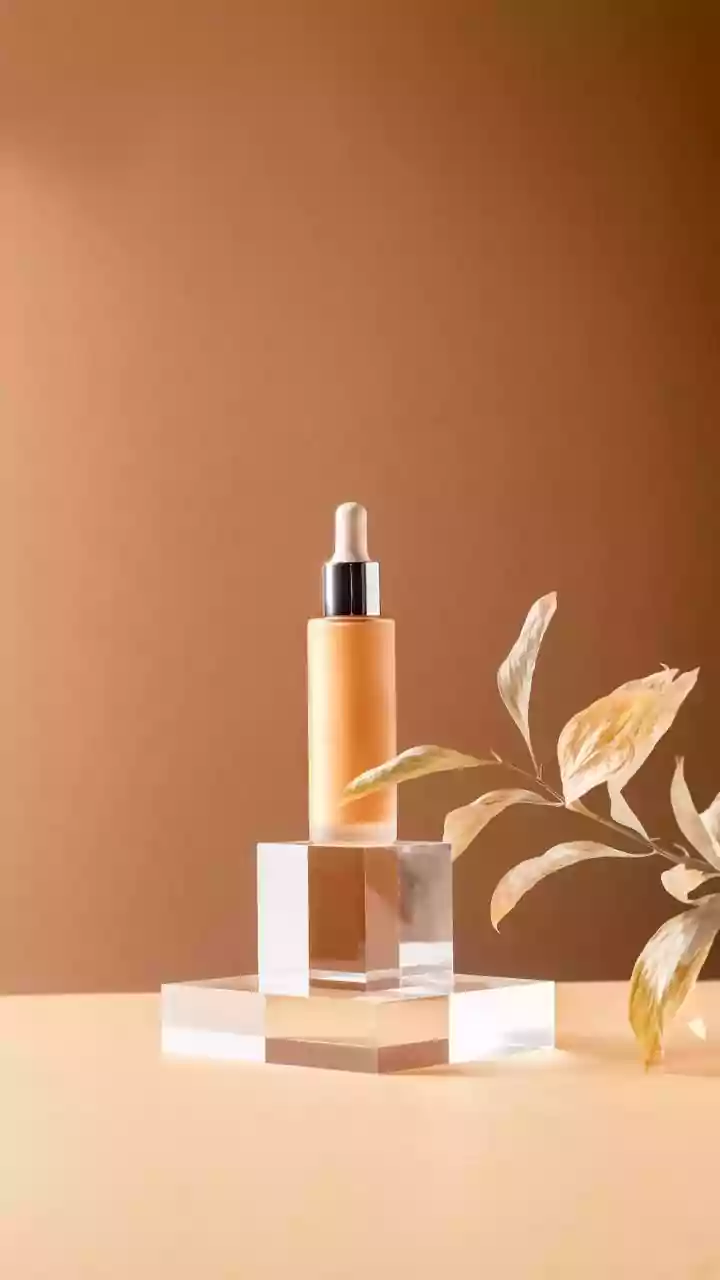
The pendulum didn't just swing away from heavy makeup; it swung toward skincare. This movement, dubbed 'skinimalism,' reframed the entire goal. Instead of covering imperfections with foundation, the focus shifted to improving skin health so there's less to cover in the first place. Suddenly, serums, acids, and moisturizers became the new status symbols. Brands like The Ordinary and Drunk Elephant gained cult followings by prioritizing potent ingredients over color palettes. Consumers became fluent in the language of hyaluronic acid, niacinamide, and retinol. This skincare-first philosophy laid the groundwork for a new makeup aesthetic, one that was designed to enhance healthy skin rather than hide it.
TikTok and the 'Clean Girl' Vibe
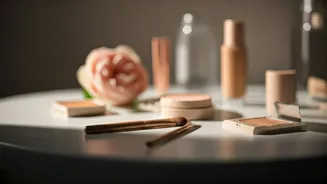
If Instagram’s static, filtered photos were the perfect stage for the high-glam look, TikTok’s raw, video-first format became the launching pad for its opposite. The 'clean girl' aesthetic—characterized by dewy skin, fluffy brows, glossy lips, and a slicked-back bun—went viral precisely because it felt achievable and authentic. It’s a look that thrives in motion and good lighting, not under layers of powder. Makeup on TikTok is often about sheer tints, cream blushes that melt into the skin, and multi-use products that create a quick, fresh-faced glow. It’s less about a dramatic 'before and after' and more about looking like the best, most hydrated version of yourself.
Celebrity Brands Changed the Playbook
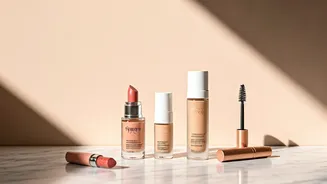
The new wave of celebrity beauty brands solidified the trend. Instead of launching another 30-shade range of full-coverage foundation, famous faces built empires on the 'less is more' ethos. Selena Gomez's Rare Beauty champions lightweight formulas and a message of self-acceptance. Hailey Bieber's Rhode is almost entirely skincare, focused on achieving her signature 'glazed donut' glow. Fenty Beauty, while known for its inclusive foundation range, also found massive success with its glosses and sheer skin tints. These brands aren't selling a disguise; they’re selling an accessory to the skin you're already in, reflecting a fundamental shift in what consumers want from their beauty icons.
A Sign of Broader Cultural Shifts
This move away from heavy makeup isn't just about aesthetics; it's tied to bigger cultural currents. The wellness movement has taught us to prioritize health and authenticity, from what we eat to what we put on our faces. Economically, a routine with a few versatile products is more appealing than a 20-step process requiring a huge investment. And after years of pandemic-era lockdowns, many people re-evaluated their relationship with high-maintenance routines, embracing comfort and ease. The new ideal isn't about erasing your features; it’s about feeling good in your own skin—a sentiment that resonates far beyond the beauty counter.