




The Plant-Based Problem
Walk through any grocery store and you’ll see the plant-based revolution in full swing. Yogurts, cheeses, and protein shakes made from almonds, soy, or oats are everywhere. While these are great for people avoiding dairy, they often come with a compromise.
The texture can be gritty or thin, the flavor a little chalky, and the protein content sometimes falls short of its dairy-based counterparts. For products designed to be “gut-friendly”—often by carrying beneficial probiotics—texture is crucial. Probiotics need a stable, creamy environment to survive the journey from the factory to your fridge to your digestive system. A watery, separated plant-based yogurt just doesn’t cut it. Food scientists have been in a race to solve this so-called “texture problem” without resorting to a long list of artificial additives and stabilizers, which can turn off health-conscious consumers.
Enter the Humble Fava Bean
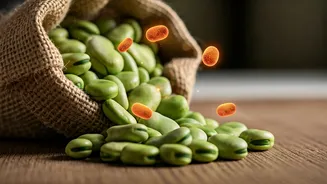
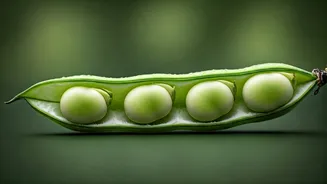
The hero of this story isn’t a high-tech lab creation, but the fava bean—a legume that’s been part of human diets for thousands of years. Known for their starring role in dishes like Ful Medames, fava beans are now being recognized for their modern-day superpowers. They are packed with protein, but it’s the *type* of protein that has food scientists excited. When fava bean protein is isolated, it creates an incredibly smooth, creamy, and stable base. It gels and emulsifies beautifully, mimicking the luxurious mouthfeel of dairy far better than many other plant sources. This allows food manufacturers to create plant-based yogurts that are thick and creamy and protein shakes that aren’t gritty. Even better, fava beans have a relatively neutral flavor profile compared to peas or soy, meaning the final product tastes more like it’s supposed to—like strawberries, not beans.
The Two-Part Gut Health Boost
So, where does the “gut-friendly” upgrade come in? It’s a double-win. First, the improved texture provided by fava beans makes them a superior “delivery vehicle” for probiotics. Think of it like a protective carrier. A thick, fava-based yogurt can host and protect a much higher concentration of live and active cultures, ensuring more of those beneficial bacteria actually make it to your gut to do their work. Second, fava beans themselves are a fantastic source of prebiotic fiber. This is different from probiotics. Probiotics are the good bacteria; prebiotics are the *food* for those good bacteria. By consuming fava beans, you’re not just potentially delivering probiotics, you’re also nourishing the beneficial microbes already living in your digestive system. This one-two punch of providing a better home for probiotics while also feeding your existing microbiome is what makes this a true upgrade.
What This Means For Your Grocery Cart
This isn't a theoretical science experiment; the fava bean upgrade is already appearing on shelves. You’ll see it listed in the ingredients of next-generation plant-based yogurts, cream cheeses, and even some ice creams. Brands are using “faba bean protein” or “fava bean flour” to achieve that coveted creamy texture and boost the nutritional panel. When you’re scanning labels, look beyond the front-of-package claims. An ingredient list that includes fava beans is often a good sign that the company is investing in texture and quality without relying on gums or starches. It signals a move toward simpler, more whole-food-based formulations in the processed food aisle, which is a win for anyone trying to eat a little healthier without sacrificing enjoyment.