








Plan Your Plate, Plan Your Wallet
The single most effective strategy for saving money on food is planning. Before you even think about the grocery store, map out your meals for the week. This simple act prevents last-minute, expensive takeout orders and impulse buys. Create a detailed
shopping list based on your plan and stick to it. Cooking at home is almost always cheaper and healthier than eating out, as you control every ingredient, from portion sizes to sodium levels. By turning meal prep into a Sunday ritual, you not only set yourself up for a week of healthy eating but also eliminate the daily 'what's for dinner?' stress that often leads to costly convenience food.
Embrace Inexpensive Power Foods
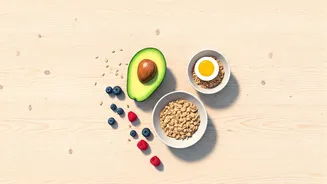
A healthy diet doesn't require a pantry full of exotic, high-priced 'superfoods.' Some of the most nutrient-dense foods are also the most affordable. Think staples like beans, lentils, chickpeas, oats, brown rice, and eggs. These provide an excellent foundation of protein, fiber, and complex carbohydrates. Don't overlook the frozen food aisle, either. Frozen fruits and vegetables are picked at peak ripeness and flash-frozen, locking in nutrients—often making them more affordable and longer-lasting than their fresh counterparts. By building your meals around these humble powerhouses, you can eat a vitamin-rich diet without draining your bank account.
Find Fitness Without the Fees
You don't need a pricey gym membership or a high-end stationary bike to stay active. Your greatest fitness tool is your own body. Bodyweight exercises like push-ups, squats, lunges, and planks can build serious strength and endurance from the comfort of your living room. The world outside is your gym: go for a run, walk briskly through a local park, or find a public staircase to climb. The internet is also a treasure trove of free resources, with countless high-quality workout videos available on platforms like YouTube, led by certified trainers. Consistency is more important than cost, so find a free activity you genuinely enjoy and make it a regular part of your routine.
The Ultimate Hydration Hack
One of the simplest and most impactful changes for both your health and your wallet is drinking more water. Sodas, juices, sports drinks, and fancy coffees are expensive and often loaded with sugar and empty calories. By replacing these with water, you can save hundreds of dollars a year while simultaneously improving your energy levels, skin health, and overall bodily function. Invest in a reusable water bottle to make it easy to stay hydrated on the go and reduce plastic waste. If you find plain water boring, infuse it with lemon, cucumber, or mint for a refreshing, near-zero-calorie flavor boost.
Prioritize Mental Wellness on a Dime
A healthy life isn't just about diet and exercise; it's also about mental and emotional well-being. Fortunately, many of the most effective mental wellness practices are completely free. Practices like mindfulness and meditation can reduce stress and improve focus, with numerous apps offering free introductory courses and guided sessions. Journaling can be a powerful tool for processing thoughts and emotions—all you need is a pen and paper. Spending time in nature, even a short walk in a city park, has been shown to have profound mood-boosting effects. Prioritizing quality sleep is another free, high-impact habit that regulates mood and improves cognitive function.
Preventive Care is Financial Care
It might seem counterintuitive to spend money on being healthy, but a small investment now can prevent massive costs later. This means making use of your health insurance for annual check-ups, dental cleanings, and recommended screenings. These preventive visits can catch potential health issues early when they are easier and far less expensive to treat. Ignoring a small toothache can lead to a costly root canal; skipping a flu shot could result in days of missed work and expensive medications. Viewing these appointments not as an expense, but as a crucial investment in your long-term physical and financial health, is a cornerstone of smart living.